Sahiwal Hospital Medicines Scam: Ombudsperson Seeks Report
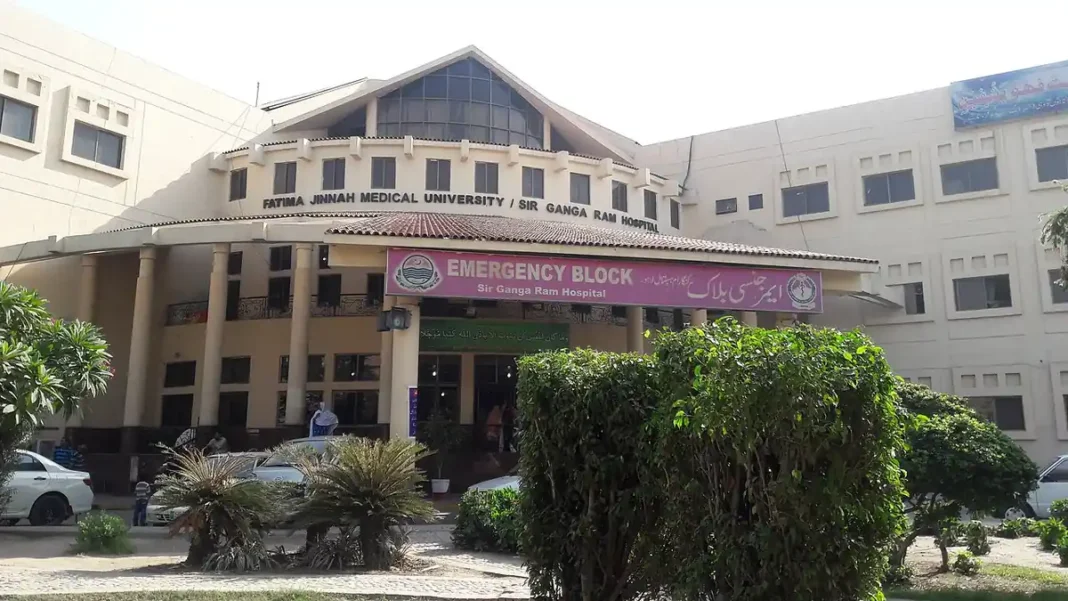
The Sahiwal hospital medicines scam has drawn the attention of the Punjab ombudsperson, who has sought a detailed report within 45 days on the action taken against officials held responsible for alleged irregularities in the purchase of medicines worth more than Rs1 billion at Sahiwal Teaching Hospital.
Official records related to the purchases have reportedly gone missing. The Anti-Corruption Establishment has already fixed responsibility for the recovery of Rs220 million on two former medical superintendents and a pharmacist, while the total loss to the exchequer is estimated at Rs340 million.
The case is the second major scandal to hit the hospital, after an earlier scam involving development funds. It raises fresh questions about how Punjab’s public hospitals buy medicines.
Sahiwal hospital medicines scam: what the inquiry found
The inquiry began with a complaint lodged by a citizen, Shahbaz Afzal, in May 2026. The director general of the Anti-Corruption Establishment then referred the matter to the establishment’s Sahiwal office on 14 September 2026.
The complaint alleged that prices were inflated by 200 to 300 per cent above approved rates during the purchase of medicines worth more than Rs1 billion, before payments were made.
The inquiry reportedly held pharmacist Adnan Javed, former medical superintendent Yadullah, medical superintendent Dr Faisal Waheed and director finance Abdul Aleem responsible for the financial losses. It recommended recovering amounts, including Rs120 million and Rs100 million from the officials concerned.
The report also alleged that four pharmaceutical companies, in collusion with hospital officials, received payments of Rs120 million for medicines that were never delivered to the hospital.
In a letter dated 9 October 2026, the Anti-Corruption Establishment sought the inquiry record from Dr Faisal Waheed, the hospital’s medical superintendent.
Ombudsperson demands action within 45 days
Punjab Ombudsperson Ayesha Javed has now sought a detailed report within 45 days on the action taken against the officials held responsible for the alleged irregularities, and against those accused of causing a loss of Rs340 million to the exchequer.
The ombudsperson’s intervention came after the inquiry found officials guilty but action against them was delayed. Despite directions from the provincial minister and the secretary of the Specialised Healthcare and Medical Education Department, the Anti-Corruption Establishment allegedly delayed action against those held responsible, even after completing its inquiry.
The matter had already attracted the attention of the Punjab government. On 9 June 2026, the chief minister ordered an inquiry into allegations of corruption, abuse of authority and financial irregularities in the purchase of medicines at the hospital.
Since then, Director Finance Abdul Aleem, who was also holding an additional charge at Sahiwal, has been removed from his position. The hospital’s medical superintendent did not respond despite repeated attempts to seek his comment.
Why this case matters for Punjab’s hospitals
The Sahiwal case is not an isolated problem. Public hospitals across Punjab buy medicines worth billions of rupees every year, and weak checks on prices and deliveries leave room for large losses.
Punjab’s public hospitals are already under strain, with cancer patients in the province recently left without medicines. Public funds are also tight: development spending reached only 10.4 per cent of its allocation in the first four months of the year. When funds meant for medicines are lost to inflated prices or undelivered supplies, patients pay the price in empty pharmacy shelves.
The case also tests the accountability system. The Anti-Corruption Establishment completed its inquiry and fixed responsibility, yet action was delayed. The ombudsperson’s 45-day deadline now puts a clock on that process.
Accountability bodies have recovered large sums in other cases. The National Accountability Bureau recently recovered railways land worth Rs91 billion, showing that recovery is possible when institutions follow through. The question in Sahiwal is whether the Rs220 million fixed for recovery, and the wider Rs340 million loss, will actually be recovered.
Corruption claims have also surfaced elsewhere in Punjab politics. Chief Minister Maryam Nawaz recently responded to corruption claims in Jhelum, and the government has said it will act against wrongdoing. The Sahiwal case will show whether that promise holds in the health department.
What happens next
The ombudsperson’s 45-day deadline runs to late December. Within that time, the authorities must report what action has been taken against the officials named in the inquiry, and what has been done to recover the money.
The missing purchase records remain a key problem. Without them, it is hard to prove exactly what was bought, at what price, and what was delivered. The Anti-Corruption Establishment will need to establish the paper trail from the suppliers and the hospital’s own accounts.
If recoveries are made and officials are punished, the case could become a warning to other hospitals. If it stalls, it will join a long list of inquiries that changed little.
Frequently asked questions
What is the Sahiwal hospital medicines scam?
Allegations of massive financial irregularities have surfaced in the purchase of medicines worth more than Rs1 billion at Sahiwal Teaching Hospital, with prices allegedly inflated by 200 to 300 per cent and records of the purchases reportedly missing.
How much money is involved in the case?
The Anti-Corruption Establishment has fixed responsibility for the recovery of Rs220 million on two former medical superintendents and a pharmacist. The total loss to the exchequer is estimated at Rs340 million, including Rs120 million paid to four companies for medicines never supplied.
What has the Punjab ombudsperson asked for?
Punjab Ombudsperson Ayesha Javed has sought a detailed report within 45 days on the action taken against the officials held responsible for the alleged irregularities and those accused of causing the loss.
Who has been held responsible in the inquiry?
The inquiry reportedly held pharmacist Adnan Javed, former medical superintendent Yadullah, medical superintendent Dr Faisal Waheed and director finance Abdul Aleem responsible for the financial losses.
When did the complaint first surface?
A citizen, Shahbaz Afzal, lodged the complaint in May 2026. The chief minister ordered an inquiry on 9 June 2026, and the Anti-Corruption Establishment’s director general referred the matter to its Sahiwal office on 14 September 2026.