Punjab Cancer Patients Left Without Vital Medicines
Thousands of Punjab cancer patients have gone without free life-saving medicines for five months, after supplies under a 12-year-old provincial programme ran dry in June.
The programme supplies Nilotinib, sold under the brand name Tasigna, to patients with chronic myeloid leukaemia (CML), a slow-growing blood cancer. Patients who used to collect the drug free of charge from designated hospitals are now being told to seek financial help from Pakistan Baitul Mal to buy it themselves.
The Express Tribune reported that the supply of the medicine to the designated hospitals was discontinued in June and has yet to be restored.
How the Punjab cancer patients programme worked
The scheme began in 2014, when Shehbaz Sharif was chief minister of Punjab. Under it, the provincial government signed an agreement with Swiss drug maker Novartis Pharma Pakistan to provide specialised medicines, including Tasigna, to deserving CML patients.
The drug was handed out through six designated centres: Mayo Hospital and Jinnah Hospital in Lahore, Nishtar Hospital in Multan, Holy Family Hospital in Rawalpindi, Allied Hospital in Faisalabad and a government hospital in Bahawalpur. Thousands of patients have used the programme over the years.
Supplies stopped in June
Last year, the Punjab government decided to bring medicine buying under one central system. It started buying from a supplier called Oncongen after a tender process. But supplies have stayed disrupted since the start of the current financial year, five months ago.
With supplies from Mayo Hospital in Lahore also halted, the other hospitals in the scheme have been unable to give the medicine to their patients. The report carried no date for when supplies would resume.
What the funding picture shows
The breakdown has come even as Punjab has put large sums into free treatment. Punjab has approved more than Rs37 billion for free specialised treatment across a range of programmes at selected hospitals in the province.
The gap, then, is not only about money. It is about buying and delivery. Centralised procurement was meant to make the system work better. For CML patients, it has so far done the opposite, and the cost of the failure falls on families who must now find the money for a costly drug or go without it.
That matters because Nilotinib is a long-term treatment. Patients take it over months and years to keep the disease under control, so a break in supply leaves them with no cover at all.
Drug supply problems are not new in Pakistan. Health authorities recently dismissed reports of an insulin shortage, while 86,000 drugs are being brought into a digital track-and-trace system to tighten medicine pricing and supply.
What happens next
For now, patients have been directed to Pakistan Baitul Mal, the state-run welfare body, for financial help to buy the drug. There is no word yet on when the programme’s own supplies will restart, or whether the government will change the way it buys the medicine.
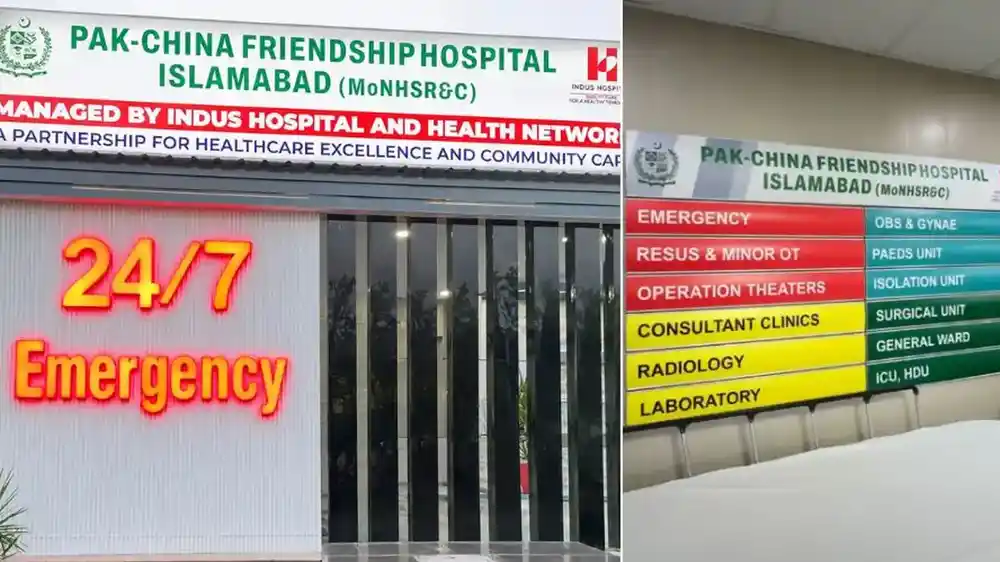
Free hospital care is still available elsewhere, including the Pak-China Friendship Hospital’s free round-the-clock emergency service in Islamabad. But emergency care is no substitute for a steady supply of a daily cancer drug.
The health department will need to answer two questions: why a tendered supply line failed within months, and how quickly it can get the drug back to the six hospitals. Until then, thousands of patients face a choice no treatment programme should force on them: pay for the medicine themselves, or wait.
Frequently asked questions
Which medicine is in short supply?
Nilotinib, sold as Tasigna. It is used to treat chronic myeloid leukaemia, a form of blood cancer.
How long have patients been without the drug?
Five months. Supplies to the designated hospitals stopped in June 2026 and had not resumed when the report was published.
Which hospitals gave out the free medicine?
Mayo Hospital and Jinnah Hospital in Lahore, Nishtar Hospital in Multan, Holy Family Hospital in Rawalpindi, Allied Hospital in Faisalabad and a government hospital in Bahawalpur.
Why did the supply stop?
The Punjab government centralised buying last year and started purchasing from Oncongen after a tender. Supplies have been disrupted since the start of the current financial year.
What should patients do now?
Patients have been advised to approach Pakistan Baitul Mal for financial assistance to buy the medicine.