Private Sector Bank Loans Surge in July-October
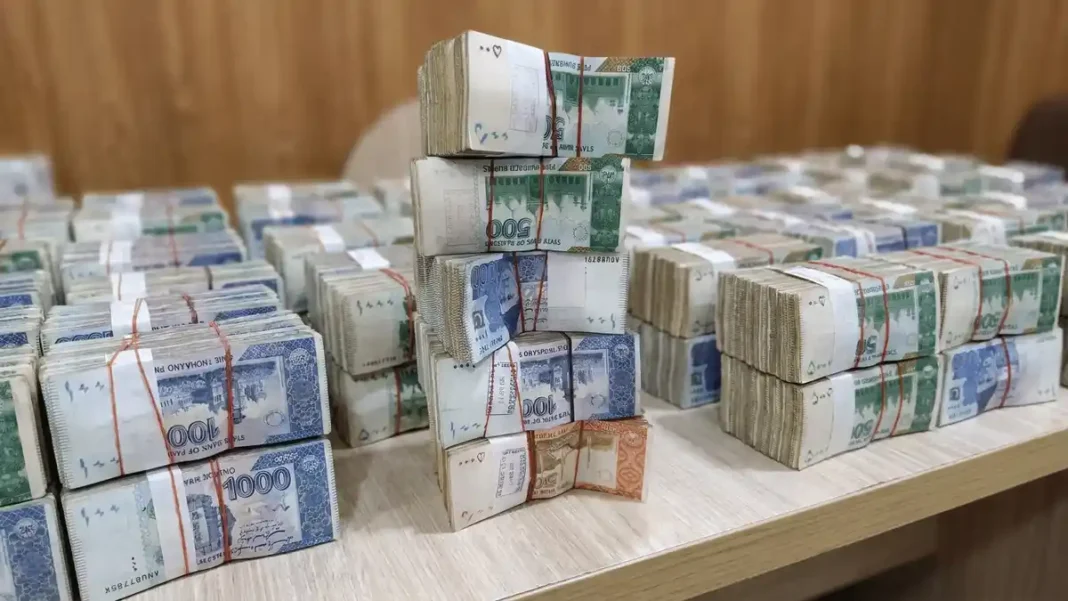
Private sector bank loans surged between July and October 2026, State Bank of Pakistan (SBP) data shows, as businesses borrowed far more despite high borrowing costs. Conventional banks provided about Rs70 billion in net financing to the private sector, while their Islamic banking branches and windows extended about Rs154 billion more.
The six full-fledged Islamic banks moved the other way, recording net repayments of Rs7.6 billion over the four months. The six are Meezan Bank, Faysal Bank, BankIslami, Dubai Islamic Bank, Al Baraka Bank and MCB Islamic Bank.
Private sector bank loans: the split
The figures show a clear split. Conventional banking groups, counting their Islamic windows, supplied the bulk of new private financing in the period. The full-fledged Islamic banks, by contrast, took in more than they lent.
The trend marks a change from the same period last year, when conventional banks recorded net repayments from private borrowers while the Islamic banking industry kept lending. ProPakistani put the overall jump at 3,717 per cent, with total private borrowing reaching Rs217 billion against just Rs5.685 billion a year ago, a figure that reflects how small the base was.
Why borrowing rose
Banking analysts linked the rise to government-backed financing schemes for housing, small and medium enterprises (SMEs), agriculture and export-oriented businesses. Companies also borrowed more to meet day-to-day working capital needs and to fund new investment, even with interest rates high.
Consumer financing picked up too. Banks reported stronger demand for car loans, credit cards, personal loans and financing for consumer goods.
The wider credit picture
The SBP figures fit a broader credit expansion that has built up over recent weeks. SME financing doubled to Rs1.2 trillion, according to figures reported this week.
Banks eased SME loans for small businesses earlier this month, and housing credit also grew, with Rs104 billion lent under the Apna Ghar scheme. The prime minister has set a target of Rs2.2 trillion in SME financing by 2028.
Taken together, the figures point to credit flowing again after a period in which banks pulled back. The open question is what the money funds. Working capital keeps firms running, but new investment is what adds jobs and output. The SBP data does not split the total that way, so the next releases will show whether the borrowing turns into fresh capacity or simply covers higher costs.
For ordinary borrowers, the pickup in consumer financing cuts both ways. Easier car loans and credit cards help households buy now, but they also add debt at high rates. The central bank watches that balance closely, since a fast rise in consumer credit can feed inflation and strain household budgets.
The figures are net, which matters for how to read them. Net financing counts new lending minus repayments in the same period, so a bank can lend heavily and still show a small net figure if old loans are being repaid at the same time. The Rs70 billion from conventional banks and Rs154 billion from their Islamic windows are the amounts left after those repayments, which makes the swing from last year, when conventional banks were net receivers of repayments, all the sharper.
Whether the surge lasts will depend on rates and on demand. Borrowing stayed strong even with rates high, which suggests firms needed the money rather than choosing to borrow cheaply. The next SBP release will show if the pace holds into the second half of the fiscal year, and whether the Islamic banks join the lending or keep pulling back.
Frequently asked questions
How much did banks lend to the private sector?
Between July and October 2026, conventional banks provided about Rs70 billion in net financing and their Islamic banking branches and windows extended about Rs154 billion more. The six full-fledged Islamic banks recorded net repayments of Rs7.6 billion.
Which banks lent the most?
Conventional banking groups, counting their Islamic windows, supplied the bulk of new private financing. The six full-fledged Islamic banks were Meezan Bank, Faysal Bank, BankIslami, Dubai Islamic Bank, Al Baraka Bank and MCB Islamic Bank.
Why did private borrowing rise?
Banking analysts linked the rise to government-backed financing schemes for housing, small and medium enterprises, agriculture and export-oriented businesses, along with working capital needs and new investment.
How does this compare with last year?
In the same period last year, conventional banks recorded net repayments from private borrowers, while the Islamic banking industry kept lending. The swing to net lending this year is what drove the sharp rise.
What does it mean for ordinary borrowers?
Consumer financing picked up, with stronger demand for car loans, credit cards, personal loans and financing for consumer goods. Easier credit helps households buy now, but it also adds debt at high rates.