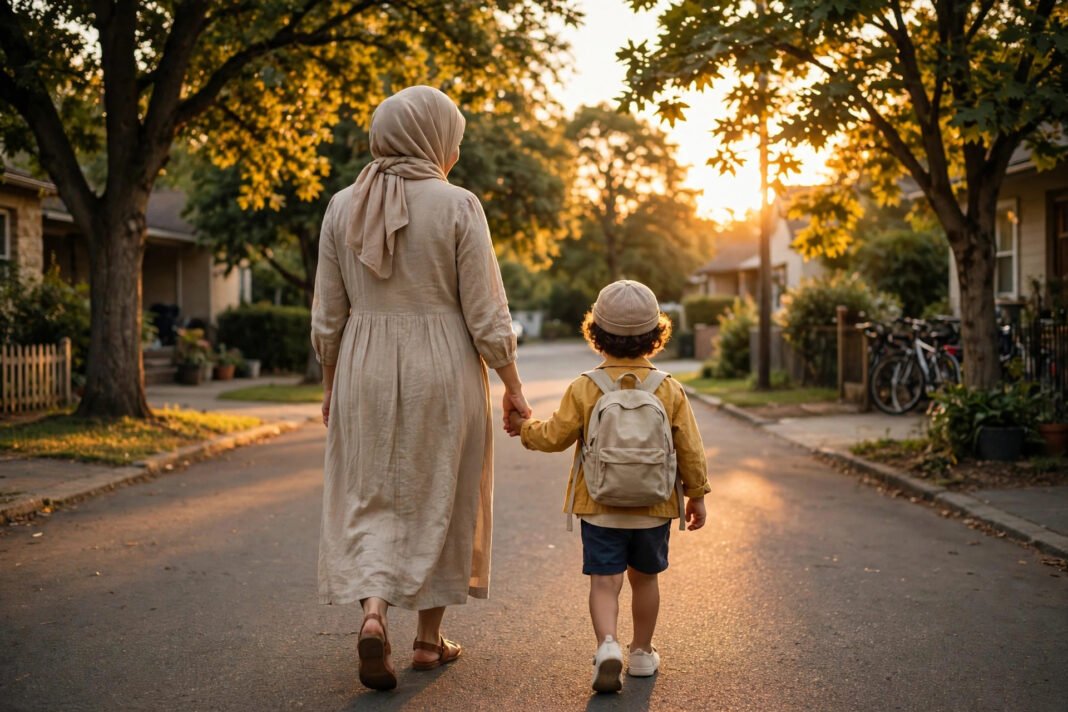
The wedding day ends, the guests go home, and a daughter steps into a new life. For many families, this is a happy moment. But for some daughters, something quiet and painful follows: their own parents start to treat them differently. The calls become shorter. The visits feel formal. The home that once felt like hers now feels like a place she only visits.
This change hurts because it comes from the people she loves most. It can leave a daughter wondering what she did wrong, when she did nothing wrong at all. In this article, we look at why this happens, what it feels like, and how parents and daughters can stay close after marriage.
Why Parents Treat Daughters Differently After Marriage
Marriage changes a family. A daughter leaves her childhood home and joins a new household, and her parents must learn a new place in her life. Some parents step back because they think it is the right thing to do. They do not want to come between their daughter and her new family, so they keep a careful distance.
Other parents struggle with the change itself. The house feels quiet without her. Daily routines change. A father who once drove her to school now waits for her call. A mother who once cooked her favourite meals now cooks for fewer people. The sadness of this change can look like coldness, even when it is not.
Sometimes the change comes from outside pressure. Relatives may say that a married daughter belongs to her husband’s home now. Old customs may say that parents should not visit too often or speak too freely. These ideas can push parents to hold back, even when their hearts want to stay close.
The Quiet Shift in the Relationship
The change rarely happens in one big moment. It grows in small steps. A mother stops calling every day and starts calling once a week. A father asks about her husband and her new home, but he no longer asks how she feels. A daughter notices that her opinions carry less weight at family gatherings than they did before.
Small things can sting the most. She may find that her room has been changed, or that family decisions are made without her. She may hear her parents speak of her new home as her “real” home, as if the home she grew up in no longer counts. None of these things are said with bad intent, but they add up.
For many daughters, the hardest part is the silence around it. She does not want to complain, because her parents gave her so much. She does not want to sound ungrateful. So she stays quiet, and the distance grows a little more with each visit.
The Feeling of Losing One’s Home
Every person needs a place that feels like home. For a daughter, that place was her parents’ house. It was where she was safe, where she could cry, and where she did not need to ask permission to be herself. After marriage, that feeling can fade.
She may visit and feel like a guest. In the living room, she may wait to be served tea, when she once made it herself. She may notice that she no longer has a say in small things, like what to cook or where to sit. These small losses can feel very big.
This feeling of losing one’s home is not about walls and rooms. It is about belonging. A daughter wants to know that she still belongs in the family she was born into, even though she now has a new family too. When that sense of belonging weakens, she can feel lost between two homes, and fully at home in neither.
Expectations That Pull in Two Directions
After marriage, a daughter faces expectations from two sides. Her new family expects her to settle in, learn their ways, and give them her time. Her parents may expect her to visit often, keep old traditions, and stay the same daughter she always was. These two sets of expectations can pull her in opposite directions.
Parents may also feel torn. They want to respect their daughter’s new life, but they also want to stay close to her. Some parents solve this by stepping back too far. Others try to stay involved in every detail, which can cause friction with the new family. Finding the middle ground is hard, and many families struggle with it.
Money can add to the strain. A daughter who once received support from her parents may now be expected to manage on her own. Parents may feel that their duty is done, while the daughter still needs their help and advice. Clear and kind words can prevent these quiet misunderstandings from turning into lasting hurt.
When Parents Treat Daughters Differently After Marriage
Not every change is harmful. Some distance is natural, and some is even healthy. A daughter needs space to build her own life, and her parents need time to adjust. The problem starts when the distance feels like rejection, or when the daughter feels that she has lost her place in the family.
There are signs that the distance has gone too far. A daughter may stop sharing her problems with her parents because she feels they will not listen. Parents may learn about big events in her life from other people. Visits may become short and tense, with both sides careful about every word.
Trust also matters in a marriage, and it matters in the family around it. When trust is weak, small doubts can grow into big fears. If you want to read more about trust in marriage, see our articles on why people have extramarital affairs and the signs of an extramarital affair. Strong trust at home makes it easier for a daughter to stay close to both families.
The Emotional Distance Grows Slowly
Emotional distance does not arrive all at once. It builds over months and years, often without anyone noticing. A daughter stops calling because she is busy. Her parents stop asking because they do not want to bother her. Each side waits for the other to reach out first, and the gap widens.
Festivals and family events can make this distance feel sharper. A daughter may wonder where she belongs at Eid or at a family wedding. Her parents may wonder if she will come at all. These moments, which should bring joy, can bring sadness instead.
The good news is that slow distance can be closed with slow, steady effort. It does not need one big talk or one grand gesture. It needs small, regular acts of care, repeated over time. A short call, a shared meal, and a simple question about her day can do more than a long speech.
Parents Treat Daughters Differently After Marriage: How to Stay Close
Staying close takes effort from both sides. Here are some simple steps that can help.
First, keep the calls regular. A short call every few days is better than a long call once a month. The point is not the length of the call, but the habit of staying in touch. A daughter can call her parents, and parents can call their daughter, without waiting for a special reason.
Second, keep her place in the family. Parents can ask their daughter’s opinion on family matters, invite her to family decisions, and make her feel welcome in her old home. A daughter can also visit without waiting for an invitation, and she can bring her husband along so both families grow closer.
Third, speak with kindness when something hurts. If a daughter feels pushed away, she can say so gently, without blame. If parents feel that their daughter has drifted away, they can say that they miss her. Honest words, spoken with love, can heal more than silence ever can.
Fourth, respect the new family. Parents can build a warm bond with their son-in-law and his family, instead of seeing them as rivals for their daughter’s time. When both families treat each other with respect, the daughter does not have to choose between them.
A Relationship That Can Still Grow
A daughter’s marriage does not end her bond with her parents. It changes it. The bond can grow into something new: a friendship between adults, built on respect and care, rather than on daily life under one roof. Many parents and daughters find that their bond becomes stronger with time, once both sides adjust.
Parents can learn to see their daughter as a grown woman with her own home and her own choices. Daughters can learn to see their parents as people who are also adjusting to a big change. When both sides give each other grace, the relationship can become deeper than it was before.
No family is perfect, and no change is easy. But a daughter never stops being a daughter, and a home never stops being a home, as long as love and effort keep the door open.
Did your relationship with your parents change after your marriage, and what helped you stay close? Share your thoughts in the comments.