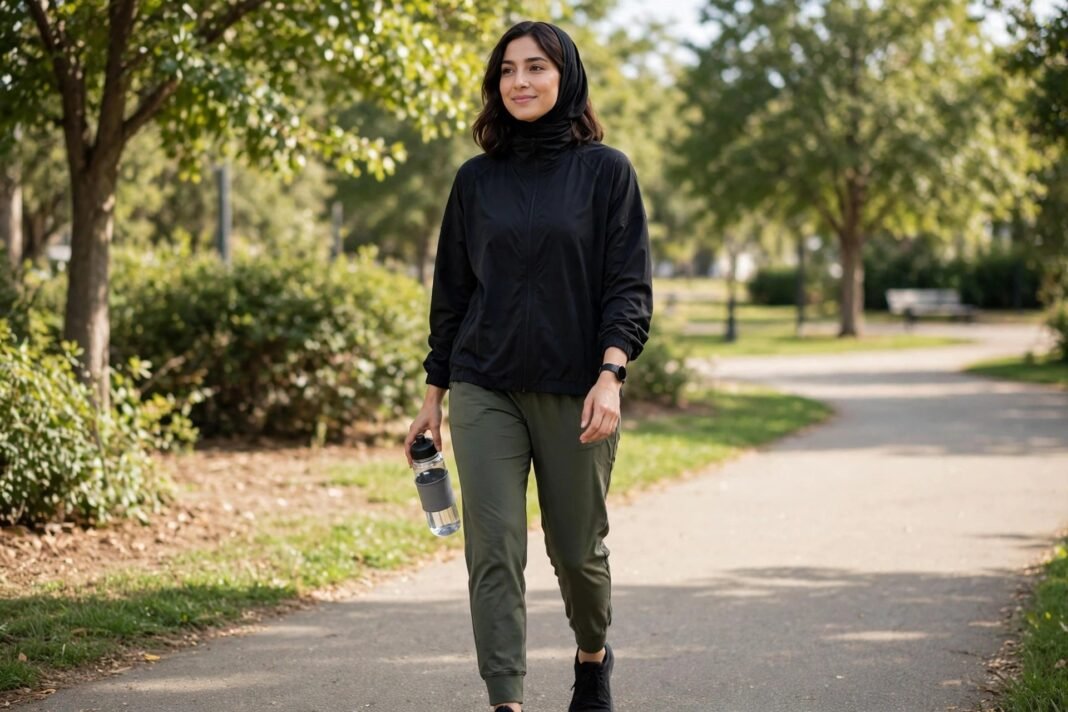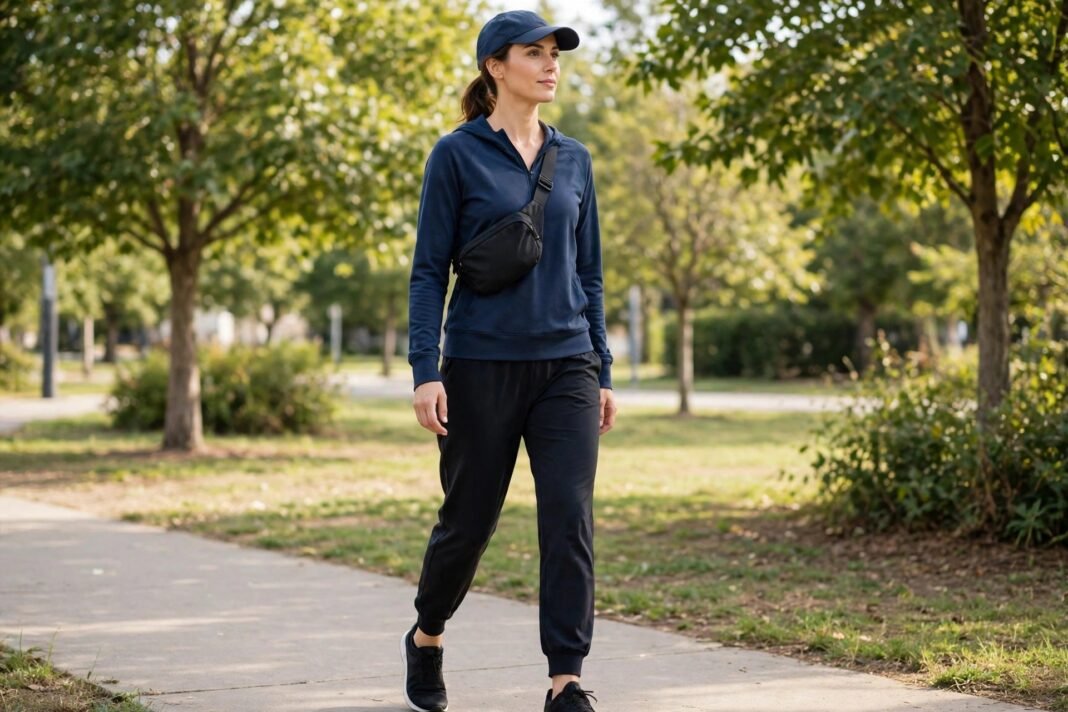
Women fitness models often look strong, calm, and full of energy in photos. However, their real value lies in daily habits, not in one perfect picture. Moreover, many of them train steadily, eat balanced meals, and rest well each day.
In fact, a healthy routine grows from small choices repeated over time. Therefore, this guide looks past glossy images and focuses on practical habits. Also, it helps you build strength, energy, and confidence at your own pace.
Moreover, you do not need fancy equipment or long hours to begin. For example, walking, stretching, and light strength work can fit busy days. Therefore, start small, stay consistent, and let progress grow gently.
Also, this guide avoids extreme diets and extreme training plans completely. Moreover, it focuses on strength, energy, rest, and balanced food daily. Therefore, you can use ideas here without pressure or guilt.
Why Women Fitness Models Inspire Healthy Habits
Many readers feel inspired when they see a woman training with focus and joy. For example, a short morning stretch can lift mood before work begins. Similarly, a regular walk can clear the mind and ease daily stress.
However, inspiration works best when it leads to action, not comparison. In addition, healthy role models often share simple routines anyone can try. Meanwhile, their photos show only a moment, not the full journey behind it.
First, notice the habits behind the image, not just the appearance. Next, ask what small step fits your life, schedule, and energy today. Finally, choose one habit and repeat it for a few weeks.
As a result, progress feels steady and kind, rather than rushed or forced. Moreover, small wins build trust in your own body and routine. Therefore, let inspiration guide you, but let your own needs lead the way.
In addition, role models often show patience through setbacks and busy seasons. However, they rarely share every hard day or missed session online. Similarly, your journey may include pauses, and that is completely normal.
First, focus on how movement makes you feel each day. Next, notice energy, mood, and sleep rather than appearance alone. Finally, keep habits that support calm, strength, and daily confidence.
What Real Strength Looks Like Day to Day
Real strength is not about lifting the heaviest weight in the room. In fact, it often means moving well, feeling steady, and recovering fully. For example, carrying groceries, climbing stairs, and playing with children all need strength.
Moreover, strong women often train for function, balance, and good posture. However, they also rest when tired and adjust plans when life gets busy. Similarly, they treat training as care, not punishment for food or rest.
First, build a base with walking, gentle stretching, and light bodyweight moves. Next, add short strength sessions two or three times each week. Also, keep sessions short enough to enjoy and repeat with ease.
In addition, good form matters far more than speed or heavy loads. Therefore, learn each move slowly and stop if pain appears at any point. Meanwhile, celebrate better balance, deeper sleep, and steadier energy each week.
Moreover, everyday strength also supports independence and safe movement at home. For example, good balance helps on stairs, uneven paths, and busy streets. Similarly, flexible hips and strong legs support sitting, standing, and walking comfortably.
First, practise balance for a few minutes on most days. Next, add gentle squats, wall push-ups, or step-ups with care. Also, rest between sets and breathe steadily through each move.
Moreover, strength also helps women carry, lift, and move with confidence. For example, strong arms and legs support shopping, cleaning, and daily chores. Similarly, steady movement protects independence as the years pass.
How Women Fitness Models Train Without Extremes
Women fitness models often follow balanced plans that protect health over time. However, they rarely train hard every single day without rest or variety. Moreover, their weeks usually mix strength, gentle cardio, mobility, and full rest days.
For example, a week may include strength work, walking, stretching, and one active hobby. Similarly, many women choose activities they enjoy, such as dance, swimming, or cycling. In addition, enjoyment makes a routine easier to keep for months and years.
First, pick movement that feels good and fits your daily schedule. Next, warm up gently before each session and cool down afterwards. Finally, track how you feel, not only how long you trained.
As a result, you learn what supports energy and what leaves you drained. Moreover, a flexible plan survives busy weeks, travel, and low-energy days. Therefore, avoid extreme programs that promise fast change with little rest.
In fact, steady training beats short bursts of intense effort every time. Also, a kind plan protects joints, mood, sleep, and long-term health. Meanwhile, progress may feel slow, yet it often lasts far longer.
Moreover, variety keeps training fresh and reduces boredom over time. For example, try walking one day and gentle yoga another day. Similarly, outdoor movement can lift mood and add fresh air daily.
Food That Fuels Energy and Recovery
Food gives the body fuel for training, work, learning, and daily life. However, no single food can create health or fitness on its own. Moreover, balanced meals usually include vegetables, protein, whole grains, and healthy fats.
For example, a simple plate may include lentils, rice, salad, and yogurt. Similarly, fruit, nuts, and water can support energy between main meals. In addition, regular meals help many women avoid long gaps and sudden hunger.
First, eat enough to support your activity, rather than skipping meals. Next, add colour and variety to each plate when you can. Also, drink water through the day, especially around training sessions.
Therefore, focus on nourishment, not strict rules or fear around food. Meanwhile, treats can fit a balanced life when enjoyed in moderation. As a result, eating feels calm, steady, and sustainable over time.
In fact, many healthy routines also include simple daily movement for energy. For gentle ideas, explore the benefits of walking 10000 steps a day and notice how walking supports mood. However, walking alone does not replace strength, sleep, or balanced meals.
Moreover, planning meals ahead can reduce stress on busy days. For example, prepare vegetables, grains, and protein in simple batches. Similarly, keep healthy snacks ready for work, travel, or long days.
Rest, Sleep, and Listening to Your Body
Rest is a vital part of any healthy fitness routine for women. In fact, muscles recover, energy returns, and mood improves during rest. Moreover, sleep helps focus, patience, and steady motivation through busy days.
However, many women push through tiredness and ignore early signs of strain. Similarly, soreness, poor sleep, and low mood can signal a need to slow down. In addition, a rest day is not failure, but smart and necessary recovery.
First, aim for regular sleep hours and a calm bedtime routine. Next, plan at least one full rest day in each week. Also, use gentle stretching or walking on days when energy feels low.
Therefore, listen to your body before chasing a strict training schedule. Meanwhile, note how sleep, stress, and food affect your daily energy. As a result, you can adjust training with care, not guilt or pressure.
Finally, rest supports strength just as much as training itself does. Moreover, women who rest well often train with better focus and joy. In fact, balance keeps fitness enjoyable for years, not just weeks.
Moreover, a calm evening routine can support deeper and steadier sleep. For example, dim lights, stretch gently, and avoid screens before bed. Similarly, a regular wake time helps the body settle each night.
Spotting Misleading Photos and Claims About Women Fitness Models
Women fitness models appear in photos that are often edited or staged. However, lighting, angles, posing, and filters can change a body greatly. Moreover, a single photo never shows health, strength, or daily habits clearly.
For example, flexing, shadows, and tight clothing can alter how muscles appear. Similarly, some posts hide editing, paid products, or extreme short-term preparation. In addition, captions may promise fast results that real life cannot match.
First, ask whether a claim sounds too quick or too easy. Next, check whether the post sells a product, program, or supplement. Also, notice whether rest, food variety, and health are mentioned at all.
Therefore, trust sources that explain habits, effort, and time honestly. Meanwhile, be cautious about before-and-after photos with no clear context. As a result, you protect both your confidence and your health choices.
In fact, social media rewards dramatic images, not ordinary steady progress. However, real fitness grows quietly through sleep, food, movement, and patience. Moreover, your worth never depends on matching any photo online.
Also, healthy skin and overall care support confidence in daily life. For simple food ideas, read the best foods for healthy skin and use them as general inspiration only. Finally, follow voices that respect diverse bodies, ages, and abilities.
Moreover, compare claims with basic health advice from trusted sources. For example, slow and steady progress is far more realistic than overnight change. Similarly, a balanced plan rarely relies on one product alone.
Simple Steps to Build Your Own Healthy Routine
A healthy routine starts with one small step you can repeat daily. However, many women try to change everything at once and feel overwhelmed. Moreover, a simple plan is easier to keep when life becomes busy.
For example, start with a ten-minute walk after lunch each day. Similarly, add two short strength sessions and a gentle stretch routine weekly. In addition, keep water nearby and plan meals with colour and variety.
First, write your plan in a notebook or phone note. Next, set a regular time that fits work, family, and rest. Also, invite a friend to walk or train with you sometimes.
Therefore, movement becomes social, enjoyable, and easier to sustain over time. Meanwhile, track small wins, such as better sleep or steadier energy. As a result, motivation grows from real progress, not from comparison online.
Moreover, keep a simple record of steps, sessions, and sleep each week. For example, a short note can reveal patterns and steady progress clearly. Similarly, review that note before planning the next week ahead.
Moreover, small rewards can help a new habit feel pleasant daily. For example, enjoy music, fresh air, or a quiet moment after training. Similarly, rest after effort makes the next session feel easier.
Finally, review your routine every few weeks and adjust it gently. Moreover, keep what works, drop what drains you, and rest when needed. In fact, the best routine is one that supports your whole life.
What small healthy step will you try first this week? Also, who might join you for a walk or gentle workout?