Pakistan Rejects Expensive LNG Cargoes
Pakistan has rejected two expensive LNG cargoes for December 2026 and January 2027 after suppliers quoted prices of up to $31 per million British thermal units (MMBtu).
State-owned Pakistan LNG Limited (PLL) turned down the bids, prompting the company to look elsewhere for winter supplies as demand rises and disruptions in the Strait of Hormuz threaten energy supply chains.
The company received two offers for the December delivery window on Tuesday. TotalEnergies Gas and Power Limited quoted $27.27 per MMBtu, while QatarEnergy Trading LLC offered $31 per MMBtu. TotalEnergies emerged as the lowest evaluated bidder, but PLL declined the offers.
For the January 2027 delivery window, TotalEnergies submitted the lowest evaluated bid at $27.10 per MMBtu, equal to Rs24.2816 billion for the cargo. That offer was also rejected.
Expensive LNG cargoes priced out of reach
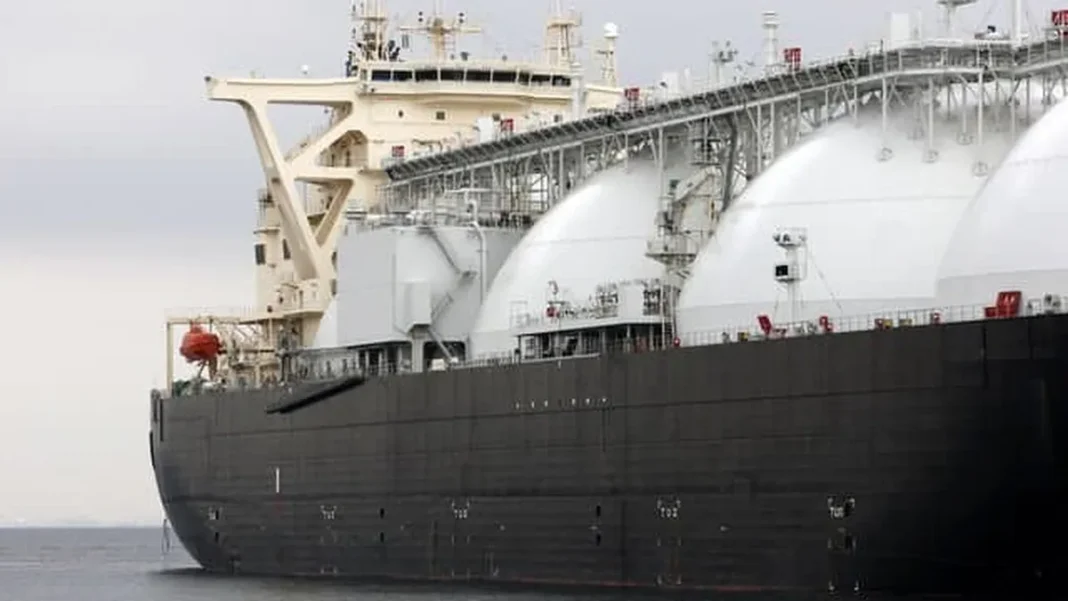
PLL first issued the tender on November 4, seeking two spot LNG cargoes of 140,000 cubic metres each for delivery at Port Qasim. The original deadline for bids was November 6, but the company extended it to November 10 after requests from international suppliers.
The high prices offered in the tender come amid volatile global spot market conditions, adding pressure on Pakistan’s efforts to secure additional supplies ahead of the winter season.
Spot LNG prices rise when winter demand climbs in Asia and Europe at the same time, and when shipping routes face disruption. Pakistan buys most of its LNG under long-term contracts, but it turns to the spot market when it needs extra cargoes. At $27 to $31 per MMBtu, the spot offers were far above the prices Pakistan pays under its long-term deals, which is why PLL walked away.
Pakistan turns to Qatar for cheaper supplies
Pakistan has stepped up efforts to secure discounted LNG supplies from Qatar through its existing long-term contracts as winter demand approaches.
Federal Petroleum Minister Ali Pervaiz Malik arrived in Qatar on Tuesday with a high-level delegation comprising the petroleum secretary and other senior officials. He met Qatar’s Minister of State for Energy Affairs, Saad Sherida Al-Kaabi, to discuss maximising LNG deliveries under Pakistan’s two existing long-term supply agreements, according to Petroleum Division sources and updates shared on the minister’s official X account.
Qatar is Pakistan’s main LNG supplier, and the two long-term agreements form the backbone of the country’s gas imports. Maximising deliveries under those deals would cut the need for expensive spot cargoes and give power plants and industry a steadier supply through the winter.
Energy costs shape the wider economy
The decision to reject the cargoes fits a wider effort to keep energy costs under control. Petrol and diesel prices fell again from November 12, giving consumers some relief, while Lahore has faced power cuts after Tarbela units went offline, a reminder of how tight the power system can get.
Pakistan has also been working to raise domestic gas output. OGDCL reported a gas discovery in Sindh, and renewable energy spending still trails fossil fuels, which leaves the country dependent on imported gas for power and industry.
Expensive spot LNG would feed straight into power tariffs and gas bills, so PLL’s refusal to pay $31 per MMBtu protects consumers in the short term. The risk is that winter demand could push prices higher still, or that long-term suppliers may not be able to raise volumes quickly enough.
For now, the government is betting that its Qatar talks will deliver the extra gas Pakistan needs, and that the spot market will soften before the coldest weeks arrive. If neither happens, PLL may have to return to the market and pay more, or manage demand through the winter.
Frequently asked questions
Why did Pakistan reject the LNG cargoes?
Pakistan LNG Limited rejected the offers because the prices were too high, with suppliers quoting up to $31 per MMBtu for December and January deliveries.
Who were the bidders?
TotalEnergies Gas and Power quoted $27.27 per MMBtu for December and $27.10 for January, while QatarEnergy Trading offered $31 per MMBtu for December.
How much gas was Pakistan seeking?
PLL sought two spot cargoes of 140,000 cubic metres each for delivery at Port Qasim, one for December 2026 and one for January 2027.
What is Pakistan doing instead?
Petroleum Minister Ali Pervaiz Malik visited Qatar to discuss maximising LNG deliveries under Pakistan’s two existing long-term supply agreements with Qatar.
Will this affect winter gas supply?
Pakistan is counting on extra volumes from Qatar under long-term contracts. If those do not come through, PLL may have to return to the spot market or manage demand through the winter.