Consumer Courts Cannot Hear Insurance Complaints, LHC Rules
The Lahore High Court has ruled that consumer courts cannot hear insurance complaints filed by policyholders against insurance companies. The court said such disputes belong before a specialised tribunal, not a consumer forum.
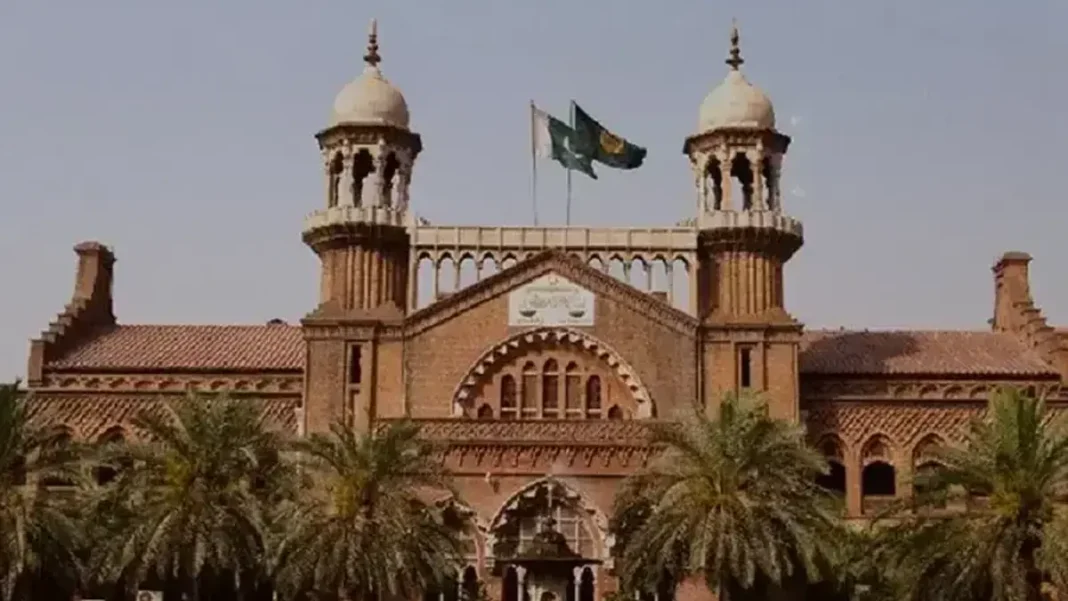
Justice Jawad Hassan gave the ruling on a petition filed by the United Insurance Company of Pakistan Limited. The company had challenged an order of the District Consumer Court in Bhakkar.
The consumer court had overruled the company’s objection about whether the complaint could be heard at all. It had held that the complaint was maintainable simply because the dispute came from the provision of insurance services.
Justice Hassan set that order aside. He observed that the lower forum had failed to examine the relevant law properly, above all Section 122 of the Insurance Ordinance, 2000.
Why insurance complaints go to a tribunal
The judge noted that Section 122(3) of the Ordinance bars any court other than a specialised tribunal from hearing claims by a policyholder against an insurance company, where the claim arises out of an insurance policy.
He also referred to constitutional principles and settled case law, including the landmark Adamjee Insurance Company case. Under Article 143 of the Constitution, he said, federal legislation takes precedence over provincial enactments.
The result is clear. Where a special law sets up a specific forum for a dispute, general laws such as consumer protection acts cannot be used to displace that forum. A policyholder must take the claim to the tribunal the Insurance Ordinance provides for.
The judge sent the matter back to the consumer court. It must re-examine whether the complaint can be heard, strictly in line with the law and binding judicial precedents. A fresh and reasoned decision must be issued within one month.
What the ruling means for policyholders
The ruling draws a firm line. A person who buys insurance and then disputes a claim cannot start in a consumer court. The case must go to the insurance tribunal.
That matters because consumer courts are often the first stop for aggrieved buyers. They are quick, cheap and close to home. The ruling closes that door for insurance disputes, and policyholders will need to learn the tribunal route instead.
The decision also settles a question that has troubled the lower courts. District consumer courts have taken different views on whether insurance disputes fall within their reach. The Lahore High Court has now answered that question for Punjab.
Courts have been clarifying such questions of forum and procedure more broadly. The Supreme Court recently ruled that convicts can file appeals after surrendering before the court.
The contrast with another recent ruling is sharp. The same court held last week that online shopping disputes do fall under consumer courts. A buyer cheated by an online seller can go to a consumer court. A policyholder in dispute with an insurer cannot.
The difference lies in the law. Online shopping has no special tribunal of its own, so the general consumer law applies. Insurance has a dedicated forum under the Insurance Ordinance, so the special law governs.
For insurers, the ruling brings certainty. They can now insist that policyholder claims go to the tribunal, and consumer courts must respect that bar. For policyholders, the ruling means a longer and more formal path to redress.
The one-month deadline keeps the case moving. The Bhakkar consumer court must now decide the maintainability question afresh, with reasons, and in line with the High Court’s reading of the law.
Frequently asked questions
Can a policyholder file an insurance complaint in a consumer court?
No. The Lahore High Court has ruled that consumer courts lack jurisdiction over complaints by policyholders against insurance companies.
Where should an insurance complaint go instead?
It should go to the specialised tribunal set up under the Insurance Ordinance, 2000. Section 122(3) bars any other court from hearing such claims.
Why did the court rule this way?
The judge held that a special statute with its own forum displaces general consumer protection law, and that federal law under Article 143 of the Constitution takes precedence over provincial law.
What happens to the Bhakkar case now?
The matter goes back to the District Consumer Court in Bhakkar, which must issue a fresh, reasoned decision on maintainability within one month.