ICC Afghanistan Investigations Closed, US Troops Spared
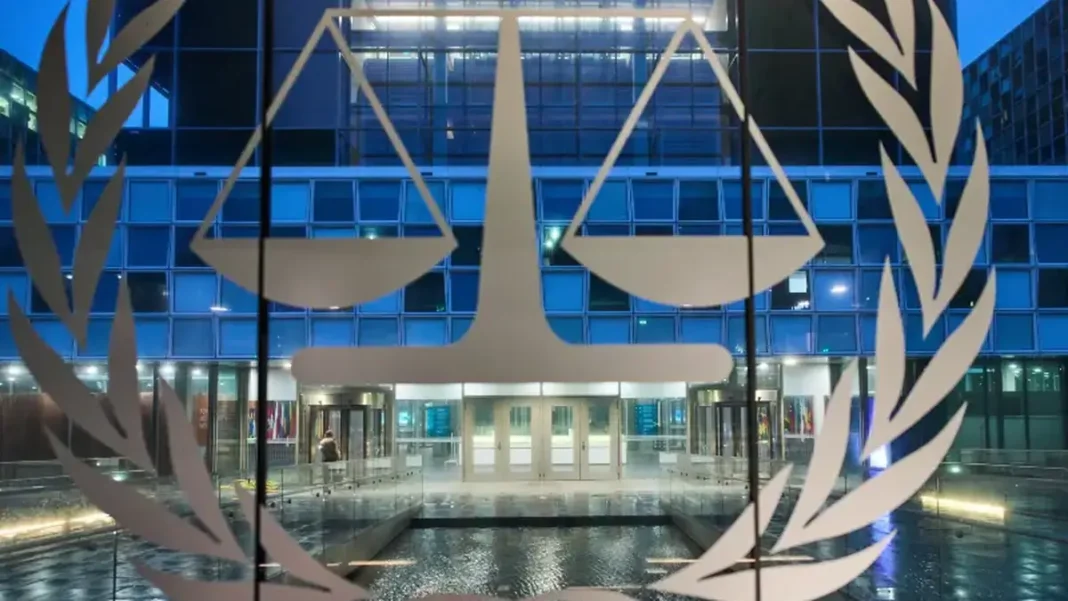
Judges at the International Criminal Court have closed the part of the ICC Afghanistan investigations that looked at alleged crimes by United States troops, and will now focus only on the actions of the Taliban since 2021.
The decision also closes a probe into the Islamic State Khorasan group, known as ISIS-K. The prosecutor’s office told Reuters on Friday that it had appealed against the decision, but gave no further details.
The ruling is the latest step in a long legal dispute between the court’s prosecutors and its judges over the Afghanistan case. It comes after the United States imposed institutional sanctions on the court, citing American opposition to arrest warrants for Israeli officials and to the investigation into US soldiers in Afghanistan.
Why the ICC Afghanistan investigations were split
Earlier this year, judges ordered prosecutors to split the Afghanistan inquiries into two separate probes. One covers alleged crimes by the Taliban since 2021. The other covers the original Afghanistan inquiry, which also looked at alleged war crimes by US troops but had shifted towards ISIS-K.
Judges said they closed part of the case because prosecutors had not shown they could effectively investigate allegations in Afghanistan apart from the Taliban probe. The split means arrest warrants issued against four Afghan Taliban leaders remain in effect.
It is unclear whether formally closing part of the case will be enough to ease American concerns about the court claiming jurisdiction over US nationals. The move does not change the court’s founding statute, which says the court can prosecute anyone accused of atrocity crimes committed on the territory of member states. Afghanistan is a member of the court, which is why the court can hear cases about crimes committed on Afghan soil.
What the ruling means for Pakistan
The decision leaves the Taliban-focused probe intact. That probe covers the period since the Taliban returned to power in 2021, the same period in which Pakistan’s border security and trade with Afghanistan have come under severe strain.
Pakistan’s exports to Afghanistan have already taken a hit from the trade ban, with losses estimated at $1 billion. Security forces have stepped up intelligence-based operations against militant groups along the border. Officials in Khyber Pakhtunkhwa have pointed to local support networks behind the attacks. Police in Khyber have killed a wanted TTP commander in a separate operation.
For Pakistan, the court’s focus on the Taliban period matters because it covers the years in which cross-border militancy has shaped daily life in the border districts. The ruling does not change that reality, but it keeps international legal attention on the group now in power in Kabul.
The decision does not end the Afghanistan case. The Taliban-focused probe continues, and the four arrest warrants against Afghan Taliban leaders remain in effect, so the court’s work on the period since 2021 goes on. The prosecutor’s appeal means the closure of the US troops and ISIS-K lines is not yet final, and the Appeals Chamber will have to decide whether the judges were right to close them. For the victims of alleged crimes by US troops and ISIS-K, the ruling narrows the path to accountability at the court, though the prosecutor’s appeal keeps the question open.
Frequently asked questions
What did the ICC judges decide?
They formally closed the part of the Afghanistan investigations that looked at alleged crimes by US troops, and also closed a probe into ISIS-K. Only the probe into Taliban actions since 2021 will continue.
Did the prosecutor accept the decision?
No. The prosecutor’s office told Reuters on Friday that it had appealed against the decision, but it gave no further details.
Why was the case split in two?
Earlier this year, judges ordered prosecutors to split the Afghanistan inquiries into a Taliban-focused probe and the original inquiry, which had shifted towards ISIS-K after the US troop line went dormant in 2021.
Do the arrest warrants against Taliban leaders still stand?
Yes. The splitting of the cases means the arrest warrants issued against four Afghan Taliban leaders remain in effect.
Will this end US pressure on the court?
That is unclear. The decision does not change the court’s founding statute, which lets it prosecute atrocity crimes committed on the territory of member states, including Afghanistan.