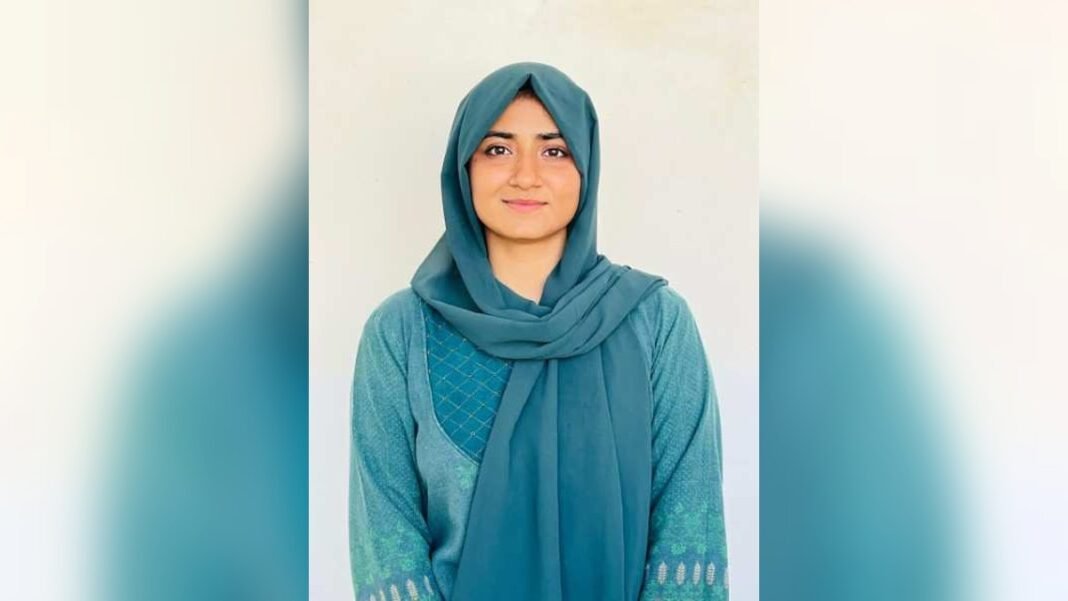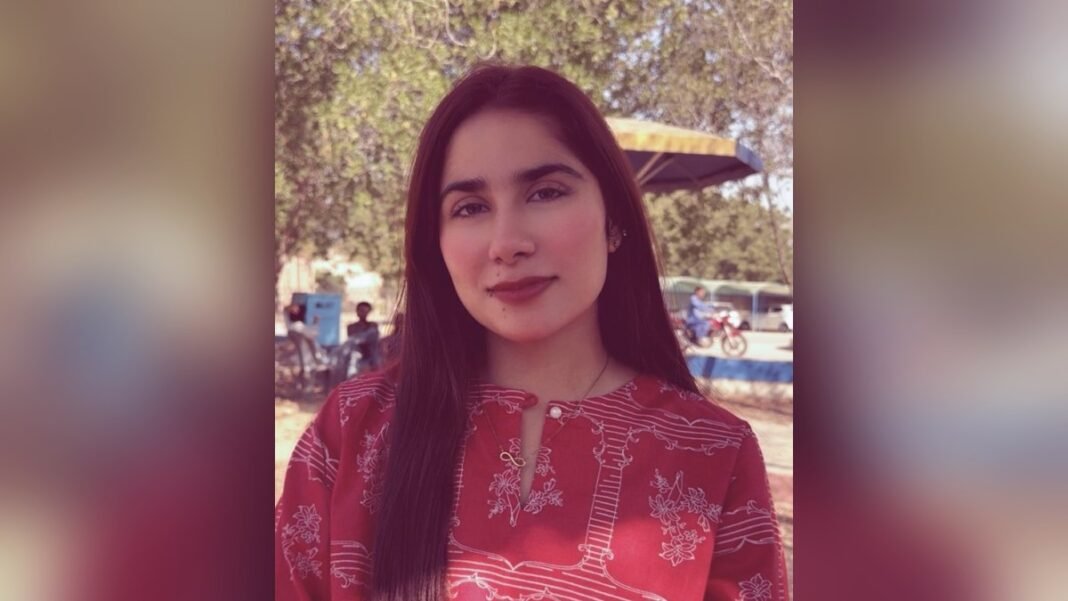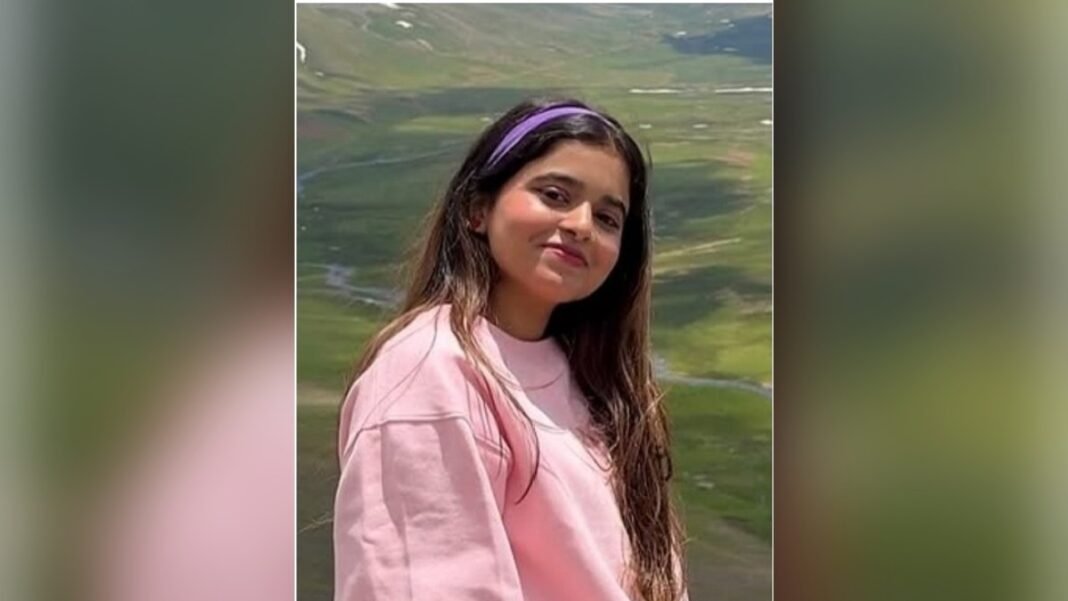
In short: Social media has not invented beauty standards, but it has made them constant. Filters, influencers and fairness content shape how young people see themselves, while a growing number of creators push back with natural, varied beauty.
Beauty has played an important role in society throughout history. In the past, there were more cultural, familial, TV, magazine and entertainment influences to impact how we define beauty. Nowadays, social media has become one of the most powerful influences to how we perceive ourselves and others. With platforms such as Instagram, TikTok, Facebook and Snapchat people are constantly being exposed to new images and videos that dictate what beauty should be. In doing so, they quietly reset the beauty standards a whole generation grows up with.
While social media makes beauty trends much easier to access, they can cause unreasonable expectations. People are constantly exposed to flawless skin, perfect hairstyles, certain body types and facial features due to the curated nature of the content. Are we truly developing our own perceptions of beauty or just accepting what social media is telling us?
Changing Definitions of Beauty
Beauty can mean different things to different people, depending on the culture, generation and society someone is in. All cultures have their own traditions, preferences and ideas around beauty. However, social media can influence global beauty trends.
Trends such as skincare, makeup, fashion and overall appearance are often popularised globally by influencers and celebrities. While this can be a positive aspect to share ideas with others, it can leave people feeling that they need to follow a certain appearance to be seen as attractive.
Traditional beauty standards in countries such as Pakistan have often been dictated by cultural values, family and the entertainment industry. Social media has introduced new international beauty trends.
Filters and Photo Editing
One of the main ways social media impacts how we perceive beauty is through filters and photo editing apps.
Many people post images on social media that have been edited to have smooth skin, enhanced complexions, altered features and much more. While this can be used for fun or creative purposes, it can cause unreasonable expectations.
People can often compare their natural appearance to the flawless faces and seemingly perfect bodies they are constantly exposed to. This can cause people to feel uncomfortable with their natural features such as spots, pores, skin texture, facial markings and differences in their bodies.
This can cause issues with confidence especially in younger people; however, it is not the use of filters that causes issues, it is forgetting that the images aren’t always realistic.
Beauty Influencers
Beauty influencers have become very powerful in dictating how beauty is perceived in modern times. Through reviews, tutorials, skincare routines and content they impact what millions of people consider to be attractive.
Many influencers provide beneficial information and encourage people to embrace their own style. However, the pressure to appear perfect can cause beauty to become a competition.
Certain skincare products can become popular due to multiple influencers recommending them. People can purchase these products without knowing if they are suitable for their skin type.
Body shape trends, makeup trends, clothing trends and skincare trends can cause people to feel that their natural appearance is not good enough.
Remember, influencers are content creators, so their images and videos are often planned, edited and designed to gain attention. What looks easy to achieve may actually involve professional lighting, makeup, editing and multiple attempts.
Beauty Standards in Pakistan
Social media can play an interesting role in relation to beauty standards in Pakistan. For many years fair skin has been linked to beauty through advertisements, TV dramas and parts of the beauty industry. While not everyone will agree with this, colourism still plays a role in how people view others physically.
Social media can often encourage this through fairness products, skin lightening adverts and content.
However, there is a positive change happening with many content creators from Pakistan encouraging people to not follow traditional beauty standards. They are embracing a range of skin tones, natural features, body types and personal styles.
This is important as beauty shouldn’t be restricted to one skin tone, face shape or body type. Skin tone should never determine someone’s worth, personality or attractiveness.
Social media can help challenge damaging stereotypes; however, it should not promote them.
Comparisons
One of the less obvious impacts social media can have is encouraging comparisons.
Opening up Instagram to relax or have some fun can result in comparing your appearance, lifestyle, clothing and skin to those you follow.
This can cause people to feel unhappy with their natural appearance.
Research has looked into how social media can impact body image and overall psychological wellbeing. An advisory in 2023 from the US Surgeon General highlighted concerns regarding social media and how it impacts young people’s mental health, including body image.
Social media can impact people in different ways; however, spending too much time looking at idealised images can cause people to feel bad about their appearance.
Remember social media usually only shows snippets of people’s lives.
Can Social Media Encourage Positive Beauty Standards?
While social media can be a negative influence, it isn’t fully to blame for causing unreasonable expectations on beauty. It can be a positive tool.
Many creators now encourage natural skincare, realistic beauty, body positivity and confidence. People are becoming more open to posting un-edited photos, talking about skin conditions and challenging the idea that everyone should look the same.
Social media can allow individuals to learn about different cultures, fashion and beauty trends. They can experiment with their appearance and truly show their personality.
When used responsibly social media can encourage creativity, individuality and positivity.
Establishing a Healthier Viewpoint
Establishing a healthy view of beauty starts with knowing that the images online aren’t always realistic.
Social media users should become more aware of edited content, unreasonable adverts and the fact that some beauty trends are for profit. Follow creators who encourage realistic and varied beauty.
Most importantly people should learn to appreciate their natural features.
Beauty should be a way to express yourself.
Conclusion
Social media has changed how we view beauty, share beauty trends and judge people’s appearances. It has provided creative, expressive and representative opportunities; however, it has caused unreasonable expectations.
The issue isn’t social media itself but how the content impacts our thoughts. We should know that a filtered image isn’t a realistic standard and that beauty can’t be determined by likes, followers and popular trends.
Maybe we should stop believing everything social media is telling us is beautiful and ask why we feel the need to.
Ultimately we shouldn’t be striving to fit a certain image, we should be comfortable with who we are.
Related reading on Feature Pakistan: Who Is Shaping the Next Generation: Young People or Social Media Algorithms?.
About the author: Areesha Memon is an English-language student at Mehran University of Engineering and Technology, Pakistan. Her interests include writing, media, beauty, fashion and lifestyle, and the ways digital culture shapes everyday perceptions.
Disclaimer: The views and opinions expressed in this article are those of the author and do not necessarily reflect the official policy or position of Feature Pakistan.