Usman Akram Remand: PTI Leader Jailed 10 Days in May 9 Case
Police have arrested PTI leader Mian Usman Akram in the May 9 Askari Tower case in Lahore, hours after his release from preventive detention. The Usman Akram remand was granted by an anti-terrorism court, which sent him to jail for 10 days so police can hold an identification parade.
Akram was produced before the court with his face covered. The investigating officer asked the court to allow his transfer to jail for the identification parade. Judge Manzer Ali Gill accepted the request and ordered the 10-day judicial remand.
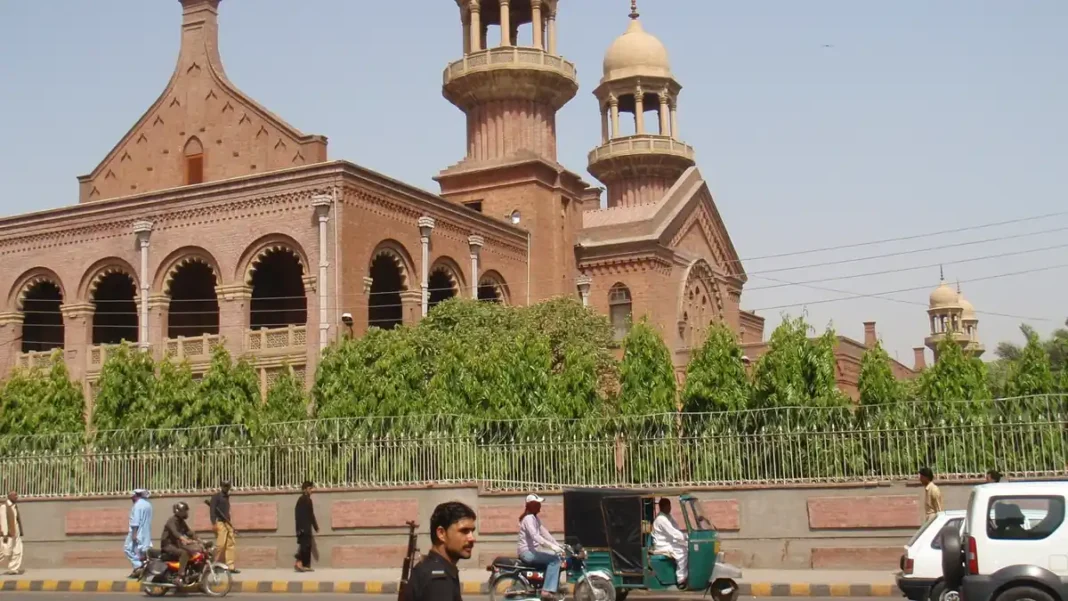
The arrest came on Friday, shortly after the Lahore High Court disposed of a petition challenging Akram’s detention, because the Punjab government had withdrawn the detention order.
Usman Akram remand and the identification parade
An identification parade is a formal process in which witnesses are asked to pick out a suspect from a group. Police use it to test whether witnesses can recognise a person they say took part in an offence. Courts treat it as an early step, not proof of guilt.
Akram will stay in jail while the parade is arranged, and police will then present their next request to the court.
Why the High Court ended the detention
Akram’s wife, Kulsoom Akram, had filed a petition in the Lahore High Court challenging his detention under the Maintenance of Public Order (MPO) law. The MPO allows the government to detain a person preventively, without a trial, when it says public order is at risk.
Justice Ali Zia Bajwa heard the petition. The Lahore deputy commissioner appeared before the court, and a law officer informed it that the detention notification had been withdrawn.
The petitioner’s counsel asked the court to stop the authorities from arresting Akram in any other case once he was released. The judge observed that, after the 26th Constitutional Amendment, the court could not grant relief beyond the scope of the petition, and he disposed of it after the detention order was withdrawn.
Police arrested Akram in the Askari Tower case as soon as he walked out of preventive detention. Dawn reported that he is a relative of jailed former provincial minister Mian Mahmoodur Rasheed.
The May 9 cases are still moving
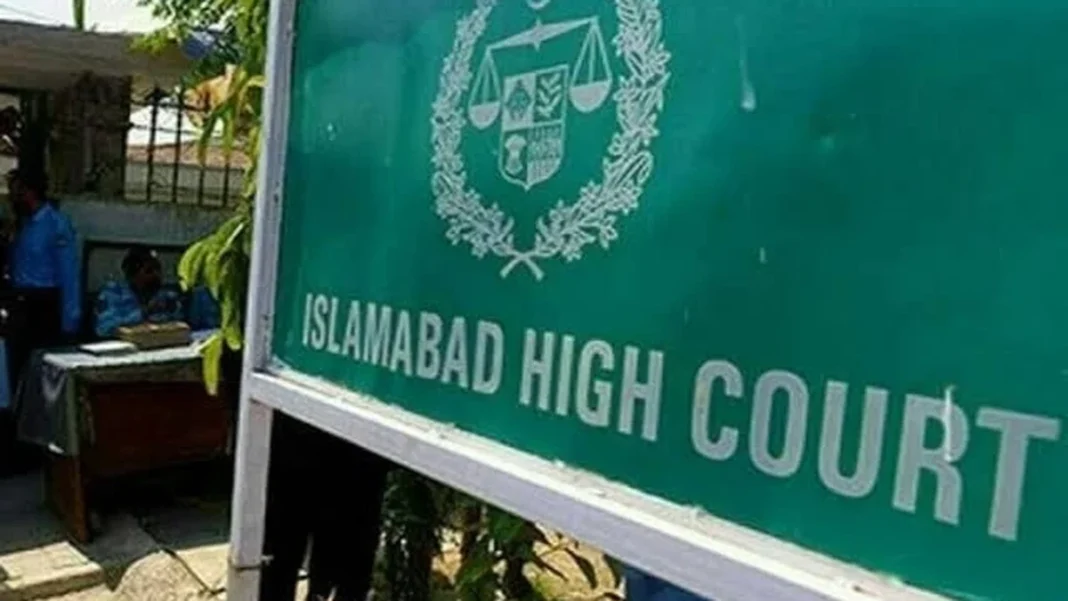
The May 9 cases date back to the violence that followed the arrest of former prime minister Imran Khan on May 9, 2023. Khan was arrested by paramilitary Rangers from the premises of the Islamabad High Court, and protests by PTI supporters turned into riots across the country.
In Lahore, the Corps Commander’s House, known as Jinnah House, was torched, and Askari Tower was ransacked and set on fire. Protesters also stormed the army headquarters in Rawalpindi. The government later said the violence caused Rs2.5 billion in damage, and more than 3,200 people were arrested.
Three years on, the cases are still moving through the courts, and PTI leaders are still being arrested, remanded, and tried over the events of that day.
The legal questions have not eased: the Lahore High Court has formed a larger bench to hear the PTI’s plea over its election symbol, talks of a 28th amendment have drawn in questions about Imran Khan’s meetings in jail, Khan has told workers to stick to the party’s ideology, and he backs the dialogue efforts led by Gohar.
For Akram, the immediate question is the identification parade. Its outcome will shape what police ask the court for next, and whether he stays in custody or is released.
Frequently asked questions
Who is Mian Usman Akram?
He is a PTI leader from Lahore and a relative of jailed former provincial minister Mian Mahmoodur Rasheed. Police arrested him in the May 9 case linked to Askari Tower.
What is the 10-day remand for?
An anti-terrorism court sent Akram to jail on a 10-day judicial remand so police can hold an identification parade, in which witnesses are asked to identify a suspect.
Why was he released before being arrested again?
The Lahore High Court had been hearing a petition against his preventive detention under the MPO law. The Punjab government withdrew the detention order, so the court disposed of the petition. Police then arrested him in the Askari Tower case.
What happened at Askari Tower on May 9, 2023?
Askari Tower in Lahore was ransacked and set on fire during the riots that followed Imran Khan’s arrest on May 9, 2023. The Corps Commander’s House was also torched, and protesters stormed the army headquarters in Rawalpindi.
What did the judge say about further arrests?
The petitioner’s counsel asked the court to stop the authorities from arresting Akram in any other case after his release. The judge said that, after the 26th Constitutional Amendment, the court could not grant relief beyond the scope of the petition.