Pakistan Seeks Funds for Household Solar
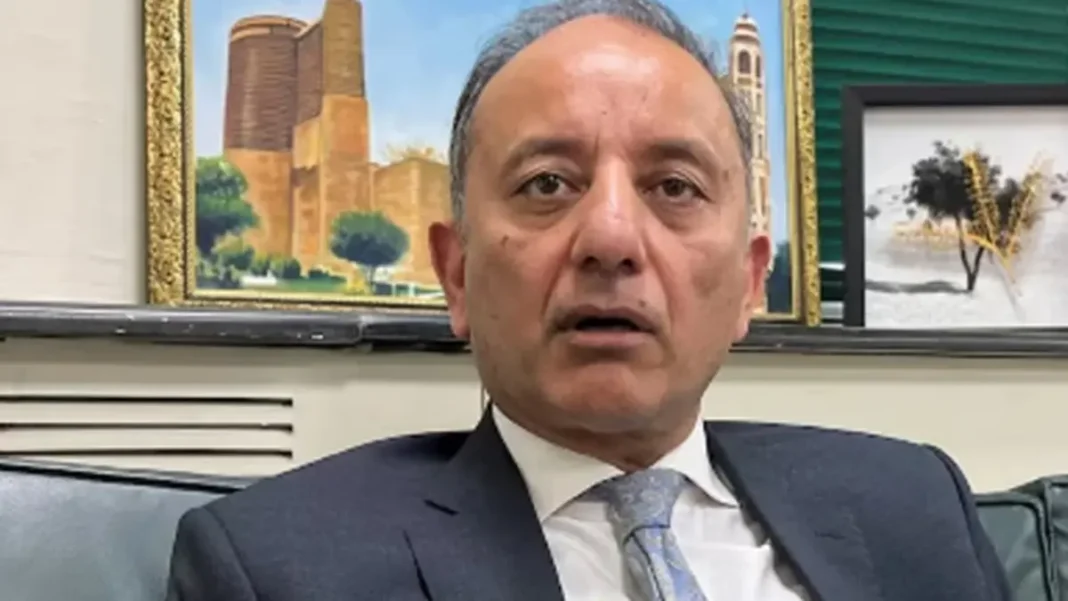
Pakistan has asked international climate partners to fund household solar power directly, saying ordinary families, not governments or big companies, are driving the country’s energy shift. Climate Change Minister Musadik Malik made the call at the COP31 climate summit in Antalya, Turkiye, where he said the next step was batteries and wires, not more panels.
Addressing a ministerial panel titled “From Pledge to Plans: Electrifying the Transition” at the Global Renewables Hub, Mr Malik said climate finance should shift towards direct support for households that adopt renewable energy. He urged partners to ease access to battery storage technology and to support decentralised renewable energy systems.
Pakistan’s rooftop solar expansion, he said, showed how ordinary people were driving the energy transition. Households have invested their own money in panels, often without help from the government or international institutions, and hundreds of thousands of families have made the same choice to secure affordable electricity.
He gave the example of a villager, Karamat Ali, who sold 12 buffaloes and cows to buy rooftop solar panels. Livestock is a poor family’s financial security, Mr Malik said, providing milk, income and savings for emergencies and for children’s marriages. The villager chose solar because he saw it as more reliable and cheaper than grid electricity and unpredictable fuel prices.
Household solar drives energy shift
Mr Malik described the change as a people-driven energy revolution that was challenging the centralised model of electricity distribution. He said households had effectively built a decentralised generation system, with rooftops emerging as new centres of electricity production.
He compared the traditional grid with a canal system. Consumers upstream had always enjoyed greater access, he said, while poorer communities downstream often received little. Rooftop solar, he argued, let households generate electricity locally and store surplus power for use when sunlight was unavailable.
But he stressed that solar panels alone were not enough. Households had already invested in generation, he said, but they lacked the money and the technology to build the storage and connectivity that would make the system work. “Wire them,” he urged international partners.
Mr Malik also claimed Pakistan had saved around $12 billion in LNG and gas imports through rooftop solar. He gave no timeframe or calculation for that figure, and it should be treated with care until the government publishes the workings behind it.
Solar growth already under way
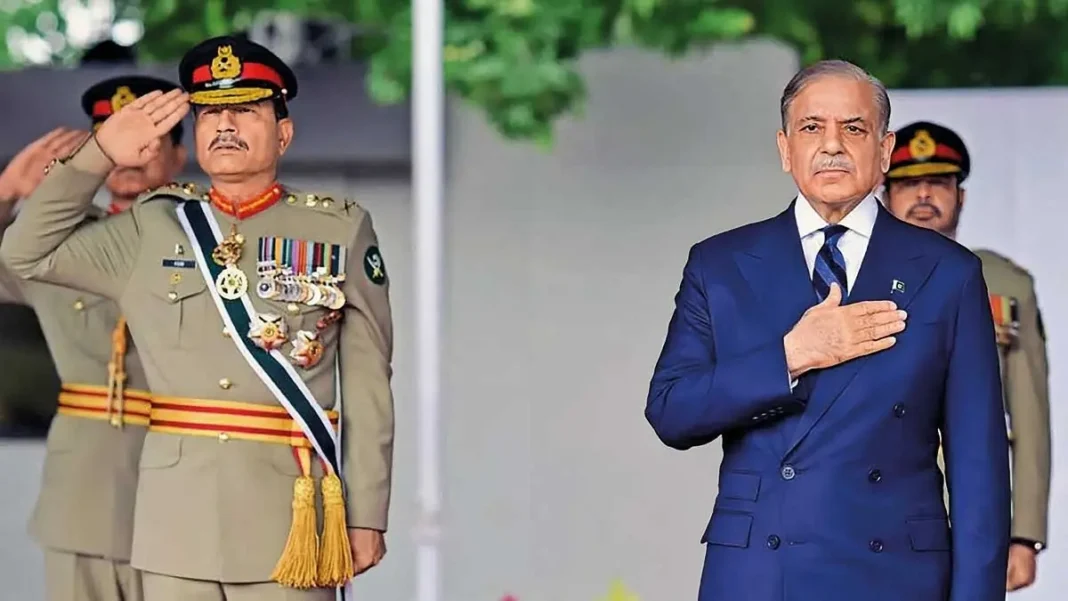
The pitch builds on a shift already visible in Pakistan. At the same summit, Prime Minister Shehbaz Sharif said Pakistan had added 22 gigawatts of rooftop solar in two years, in his address on the country’s solar revolution, and set a target of 55 percent clean power in the mix.
Schools and cities are joining the shift. One hundred schools in Karachi have been fitted with solar panels, and Pakistan is now spending more on renewable energy than on fossil fuels, according to recent reporting on energy spending. The government has also pressed for more climate finance at COP31, as its earlier push at the summit showed.
The call for household funding is a change of direction. Climate finance has usually gone to governments and large projects. Mr Malik is asking for it to reach families directly, in the form of loans or support for batteries and connections.
Whether partners agree will become clear as the summit continues. A protest at COP31 has already shown that the talks are under pressure, as demonstrators demanded faster action. For Pakistan, the test is whether the household solar story can turn into funding for the storage families still lack.
Frequently asked questions
What did Pakistan ask for at COP31?
Climate Minister Musadik Malik asked international partners to direct climate finance to households adopting solar power, and to fund battery storage and grid connections so families can store and use the power they generate.
How big is household solar in Pakistan?
The prime minister said Pakistan added 22 gigawatts of rooftop solar in two years. The minister said hundreds of thousands of households have installed panels, often with their own money and without government or international help.
What is the $12 billion savings claim?
Mr Malik said Pakistan saved around $12 billion in LNG and gas imports through rooftop solar. He gave no timeframe or calculation, so the figure is unverified until the government publishes the workings behind it.
Why are batteries the missing link?
Panels generate power in daylight, but homes need power at night. Without batteries and proper grid connections, families cannot store surplus power. The minister said households had paid for generation but lacked the funds for storage.
What happens next?
The COP31 talks continue in Antalya. Pakistan will press its case for household-level finance, and the test will be whether partners commit money for batteries and connections rather than only for large projects.