In short: A wheelchair ramp at the entrance does not help a student who cannot read the textbook, hear the lecture or finish a timed online exam. Dr Alex Ezat Parnia argues Pakistan already has the policy, including the HEC's framework for students with disabilities, and that the real test is implementation: accessible formats, reasonable accommodation in exams, trained staff and digital learning that is designed for access from the start.
Accessible Education in Pakistan Needs More Than Ramps
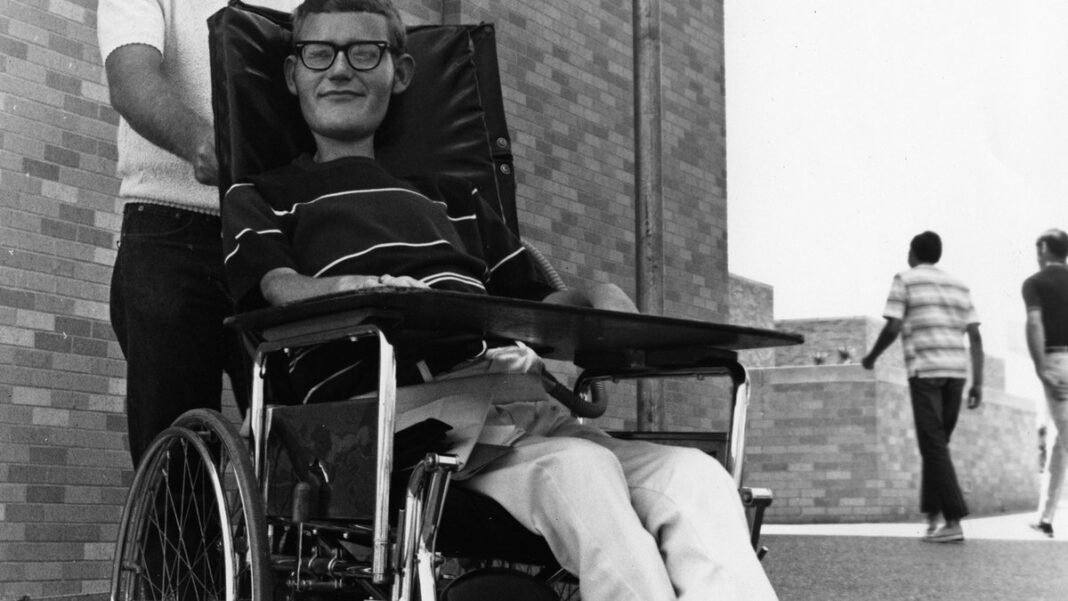
A university could make the entrance wheelchair accessible and construct a ramp, but that doesn't mean that the student can actually get to the exam room. A lecture could be held in the classroom on the ground floor, but the student might not be able to access the texts because they use incompatible reading devices. A deaf student might be able to reach the lecture room, but wouldn't be able to hear anything. You get the point – physical access is only the beginning.
Pakistan can take one step further by making an even bolder statement that students with disabilities not only are gaining entry into the university but they are being fully included in every stage of learning, from admission and classroom teaching to practical training and examinations. The policy has already been outlined in this regard; now it needs to be implemented.
The difference between attendance and inclusion
The population census of 2023 in Pakistan revealed that 7.45 million people have disabilities and 23.17 million have functional difficulties. These figures are different parameters of the census, and we cannot add them to come up with one figure, but they demonstrate that the problem faced by millions of households is accessibility and not a specific section of the population.
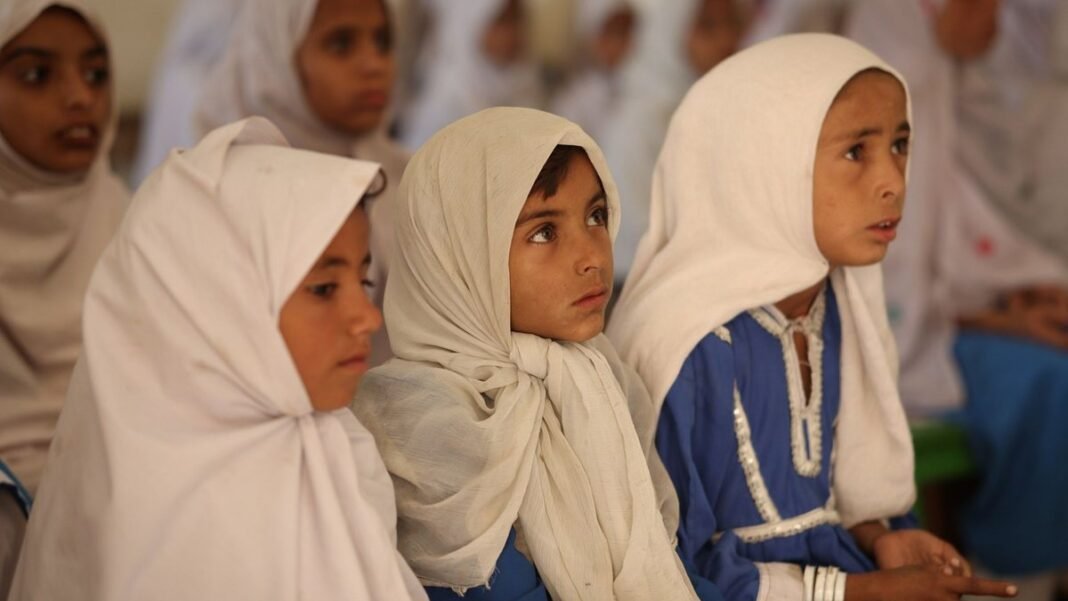
The same thing was indicated in a report, ASER Pakistan 2025, published by Gallup Pakistan in July 2026 – 89% of children with disabilities between six and sixteen years, who were surveyed for the study, were school going. But the report shows under what conditions the children were studying. In government schools, 26.9% provided ramps for disabled children, 4.5% had special aids for them and only 20.3% had suitable trained staff.
The United Nations Committee on the Rights of Persons with Disabilities raised a similar point in its concerns about Pakistan in March 2026. It asked that learning materials must be provided in accessible formats, along with reasonable accommodation, teacher training, Braille, Pakistan sign language and captioning. It was not just about getting children into the classroom but making education accessible to them.
Examinations reveal where inclusion is weakest
Think about how you will determine how a student has been tested. Online exams could have a timer that a student isn't able to see but written tests could disadvantage a student who requires additional time. If using a practical test, it can measure how quickly someone will get equipment up and running instead of whether a student possesses this knowledge.
Reasonable accommodation (i.e., changing the way an assessment is conducted so that a student with a disability is not put at a disadvantage), may encompass an accessible format for the examination, and extra time (if appropriate), a sign language interpreter, a different version of the skills demonstration or use of assistive devices. There should be no reduction in standards.
Pakistan is not starting from zero. The Higher Education Commission's 2021 amended Policy for Students with Disabilities at Higher Education Institutions sets out responsibilities for institutions, including accessibility arrangements and ways to request accommodation. The central question is whether a student knows whom to approach, receives an answer in time and can challenge a refusal without jeopardising their studies.
Online learning can widen access, but only if it is designed well
For students who have to travel difficult terrains and for campuses out of reach, studying at home removes the biggest barrier to learning. By participating in recorded classes, a person can be sure to review the lecture at the comfort and speed that he or she needs. Several deadlines may give a student the opportunity to plan his or her learning as he/she recovers, works, and cares.
Likewise, a course put online makes it no more accessible. An unreadable PDF document, a video with no subtitles, a website that is not navigable with a keyboard, or a high-stakes test that forces you to stay online may make access more difficult. A low-vision individual may need to enlarge fonts and software programs that adapt to the device; another may need DVDs or other in-home materials for learning offline.
Affordability of digital access is of utmost importance. Without access to an appropriate device or reliable internet, a student won’t benefit from flexible schooling. Therefore, e-learning and face-to-face education should complement one another rather than competing with each other. The goal of education is to provide the learner with options while ensuring quality learning and proper assistance.
Turn an existing commitment into a student experience
First, we should ensure that our own practices are inclusive. Can the application be completed with a keyboard alone? Can the reading list be navigated by screen reader? Are the captions ahead of the lecture that will be tested? Is there an easy way to request an adjustment, and who must respond? This is far more important than implementing an accessibility program.
Simple and clear information about the support that is available should be available to the institutions and students before they apply. Teachers will need training so that they can prepare the teaching materials that are easily accessible and assessed fairly. Disabled students should be given the chance to trial the system, the classroom and procedures.
Performance should not be measured on enrolment numbers alone. Institutions should also track how long students stay, how many complete their studies, and whether students actually receive the support they requested and the programmes actually worked.
In Pakistan, the education gap is often equated with higher numbers of students coming to school that is also significant. But, what really matters is what happens after they reach school – in whatever form that they do.
Frequently Asked Questions
How many people in Pakistan live with disabilities?
The 2023 census recorded 7.45 million people with disabilities and 23.17 million with functional difficulties. The article notes these are different census measures and should not be added together, but together they show accessibility affects millions of households.
What is reasonable accommodation in examinations?
Changing how an assessment is conducted so a student with a disability is not disadvantaged: accessible exam formats, extra time where appropriate, a sign language interpreter, assistive devices or a different version of a skills demonstration, without lowering standards.
Does online learning automatically make education accessible?
No. An unreadable PDF, a video without subtitles, a website that cannot be navigated by keyboard or a test that requires constant connection can make access harder. Digital learning widens access only when it is designed for it, and when students can afford devices and internet.
Related reading on Feature Pakistan: Pakistan’s Working Adults Need a Different Kind of Higher Education by Dr Alex Ezat Parnia and Integrating AI into Education: A New Approach for Pakistan’s Learners by M Abdul Rafay Azhar.
The views expressed in this article are the writer’s own and do not necessarily reflect the editorial policy of Feature Pakistan.