UAE Links Cyber Attacks to 40 Terror Groups
UAE cyber attacks have been traced to more than 40 terrorist organisations operating across more than 20 countries, the head of the country’s Cybersecurity Council said at the World Police Summit in Dubai.
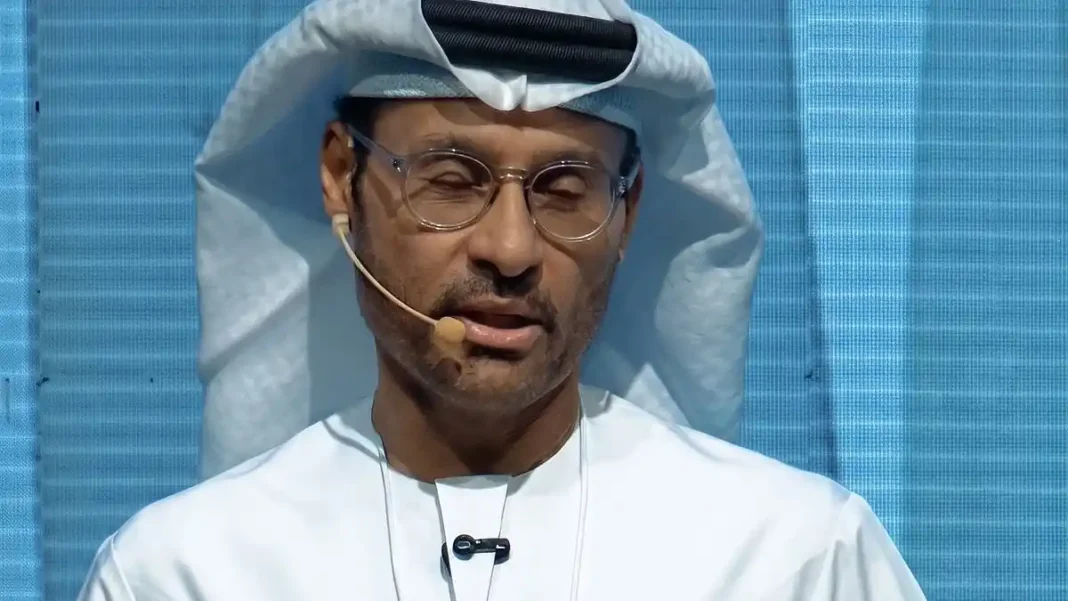
Dr Mohammed Al Kuwaiti said UAE authorities had traced and disrupted attacks targeting government institutions, critical infrastructure and individuals. He was speaking at a session titled ‘Defending Information in the Future’.
He alleged that Iran and networks linked to its Islamic Revolutionary Guard Corps (IRGC) were among those behind the cyber threats. The allegation was made by the UAE official, and no response from the parties concerned was reported.
The UAE’s national cyber defence system, including its National Security Operations Centre (NSOC), uses artificial intelligence and coordination between government agencies to detect, trace and prevent attacks.
UAE cyber attacks targeted cameras and hospitals
Attackers had attempted to hack home, farm and vehicle surveillance cameras, Al Kuwaiti said. Some footage was later circulated on social media to spread fear and suggest widespread security breaches.
Critical infrastructure, including electricity and water networks, desalination plants, hospitals and educational institutions, had also been targeted, he disclosed.
Authorities had disrupted attempts involving destructive malware designed to erase data. The threats included cybercrime, cyber terrorism and cyber warfare, as well as identity theft, blackmail, impersonation and the spread of misinformation.
AI is making the attacks harder to stop
Al Kuwaiti warned that artificial intelligence was making cyber attacks more sophisticated. Hackers were using the technology to develop malicious software, identify security vulnerabilities and create convincing fake images, videos and audio.
Travellers were also being targeted through fraudulent messages about flight bookings. The messages sought to trick passengers into transferring money or changing their travel arrangements, he said.
How the UAE defends itself
The UAE has an integrated national system to counter the threats, with the NSOC as one of its main pillars. The centre works with government agencies to connect systems and platforms, monitor attack patterns in advance, detect threats, verify them and thwart them.
Al Kuwaiti said the national cyber defence system had let specialists trace where the attacks came from and identify who was behind them. He said the parties behind the threats, primarily Iran and networks linked to the Revolutionary Guard, continued their operations despite disruptions and internet service outages in Iran.
What it means for Pakistan
Pakistan faces the same threats. The Pakistan Telecommunication Authority has issued 59 cybersecurity advisories to telecom operators, warning them about flaws that attackers could exploit.
The National Cyber Crime Investigation Agency has busted 154 illegal call centres and a gang behind fake profiles in Lahore, showing how organised the fraud networks operating in the region have become.
Many Pakistanis live and work in the UAE and travel there often, so the warning about fraudulent flight booking messages applies directly to them. A fake message about a changed flight or a demand for payment should be checked with the airline itself before any money is sent. The Optimizely hack that hit 170 websites in a crypto theft bid is a reminder that the same criminal methods reach far beyond one country.
Frequently asked questions
How many groups did the UAE link to the attacks?
The UAE traced cyber attacks to more than 40 terrorist organisations operating across a network spanning more than 20 countries, according to Dr Mohammed Al Kuwaiti, head of the UAE Government’s Cybersecurity Council.
Who did the UAE blame?
Al Kuwaiti alleged that Iran and networks linked to its Islamic Revolutionary Guard Corps were among those behind the cyber threats. The allegation was made by the UAE official.
What was targeted?
Government institutions, critical infrastructure and individuals were targeted. Attackers tried to hack home, farm and vehicle cameras, and targeted electricity and water networks, desalination plants, hospitals and schools.
How is AI involved?
Al Kuwaiti warned that hackers use artificial intelligence to develop malicious software, find security flaws and create convincing fake images, videos and audio. The UAE’s own defence system also uses AI to detect and trace attacks.
What should travellers watch for?
Fraudulent messages about flight bookings that seek money transfers or changes to travel arrangements. Travellers should check any such message with the airline directly before paying or changing a booking.