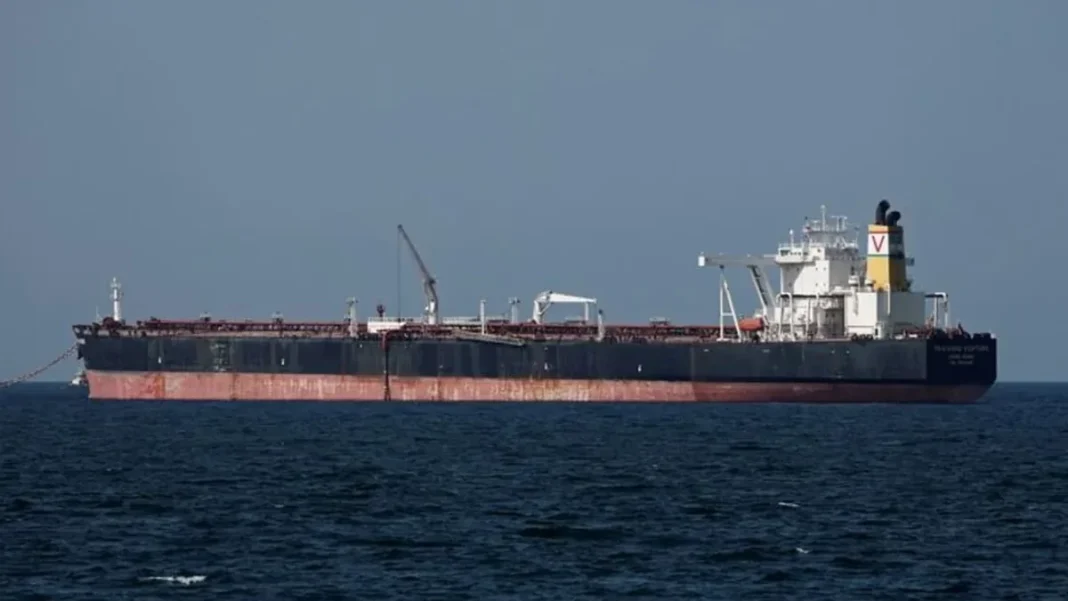
Oil Prices Fell After Houthi Attack on Saudi Capital
Oil prices fell on Friday, November 20, even as Houthi missiles struck the Saudi capital Riyadh and two tankers hit mines in the Strait of Hormuz. Brent crude futures fell by $1.65, or 1.79 per cent, to $90.33 a barrel by 1032 GMT, Reuters reported. US West Texas Intermediate (WTI) futures for December fell by $1.62, or 1.95 per cent, to $81.59 a barrel.
The fall put both benchmarks on course for a third straight weekly decline. Brent was heading for a drop of about 6 per cent over the week, while the December WTI contract was set for a fall of about 8 per cent.
Why oil prices fell despite the attacks
The market looked past the attacks because supply stayed strong. Crude shipments through the Strait of Hormuz have returned to roughly pre-war levels, and Middle East exports remained high. Traders therefore expect a global supply surplus, and that expectation weighed more heavily than the risk of disruption.
The pattern is unusual only at first glance. Attacks on energy infrastructure usually push prices up, but only when they cut supply. So far the latest attacks have not done that, and the market has priced in the surplus instead.
Missiles hit Riyadh tower
Houthi missiles struck Riyadh on Thursday, damaging a tower that houses the headquarters of Saudi Arabia’s Public Investment Fund. Saudi Civil Defence said the attack damaged several floors of the kingdom’s tallest skyscraper and nearby buildings. No casualties were reported, according to the Saudi Press Agency.
Pakistan condemned the attack on the PIF tower, and the strike itself damaged the Riyadh landmark.
On Friday, the Houthis warned workers and people near Saudi Arabia’s Red Sea ports to evacuate at once. They urged shipping firms to move their vessels and said they would target Saudi ports in Jeddah and the Red Sea if a Saudi-led coalition strikes Yemen’s Hodeidah port.
Tankers hit mines in Hormuz
Iran’s Revolutionary Guards navy said two oil tankers hit naval mines in the Strait of Hormuz on Thursday and caught fire. The strait carries about a third of the world’s seaborne crude oil and liquefied natural gas, so any threat to shipping there draws close attention from traders.
Even so, shipments through the strait have held up. That is the main reason prices kept falling through the week despite two separate security incidents in the region.
What it means for Pakistan
Pakistan imports most of the oil it uses, so world prices feed straight into its import bill and pump prices. Petrol has already fallen sharply in recent weeks, from Rs396.06 to Rs322 per litre in the 21 days to November 20, Dawn reported. Petrol rose by Re1 on November 19 after 12 straight cuts, but the broader trend has been down.
Cheaper crude also helped cool inflation. Short-term inflation eased to 10.41 per cent in the week ending November 19, according to Pakistan Bureau of Statistics data. If Brent stays near $90, the relief at the pump should hold, though a wider conflict or a Hormuz blockage could reverse it fast.
Pakistan’s external position remains tight. Remittances reached $14.8 billion even as the trade deficit widened, so a lower oil bill would ease some of the pressure on foreign exchange.
What to watch next
Traders will watch whether Hormuz shipments stay normal and whether the Houthis follow through on their threat to Saudi ports. For now, the market has decided that supply matters more than the headlines.
Frequently asked questions
Why did oil prices fall despite the attacks?
Supply stayed strong. Crude shipments through the Strait of Hormuz have returned to roughly pre-war levels and Middle East exports remained high, so traders expect a global supply surplus.
What happened in Riyadh?
Houthi missiles struck Riyadh on Thursday and damaged a tower housing the headquarters of Saudi Arabia’s Public Investment Fund. Saudi Civil Defence said several floors of the kingdom’s tallest skyscraper and nearby buildings were damaged. No casualties were reported.
What happened in the Strait of Hormuz?
Iran’s Revolutionary Guards navy said two oil tankers hit naval mines in the strait on Thursday and caught fire. The strait carries about a third of the world’s seaborne crude oil and liquefied natural gas.
How does this affect petrol prices in Pakistan?
Pakistan imports most of its oil, so lower world prices ease the import bill and support lower pump prices. Petrol fell from Rs396.06 to Rs322 per litre in the 21 days to November 20, though it rose by Re1 on November 19.
How far have oil prices fallen this week?
Brent was heading for a weekly fall of about 6 per cent and the December WTI contract for about 8 per cent, the third straight weekly decline for both.