ECC Approves 416,000 Tonnes Sugar Export
The government has allowed another 416,000-tonne sugar export, without circulating the summary among the relevant ministries, even as its failure to deregulate the sugar sector breaches an International Monetary Fund (IMF) condition.
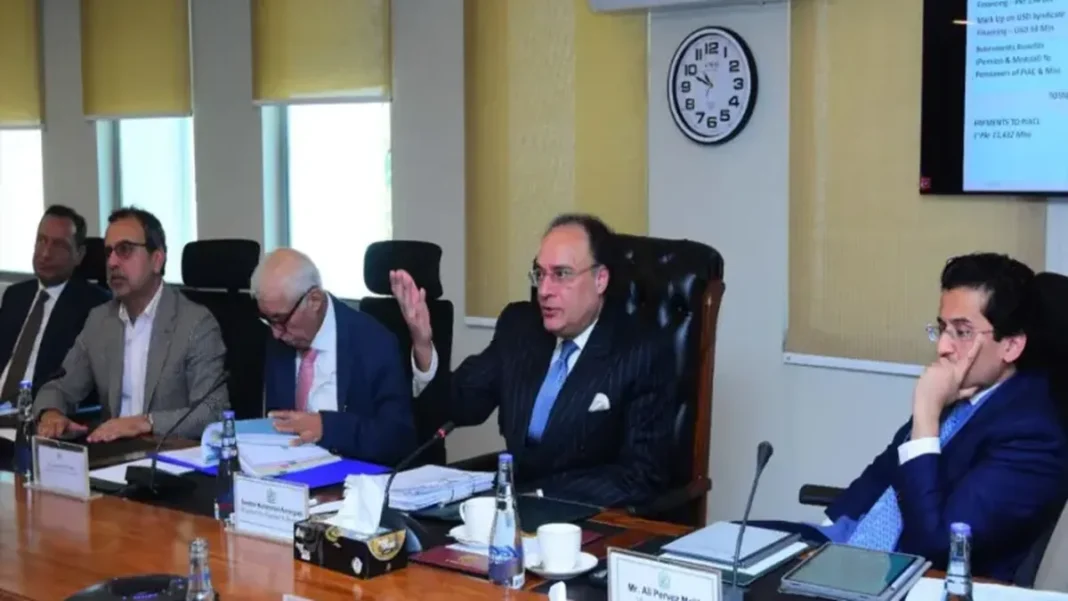
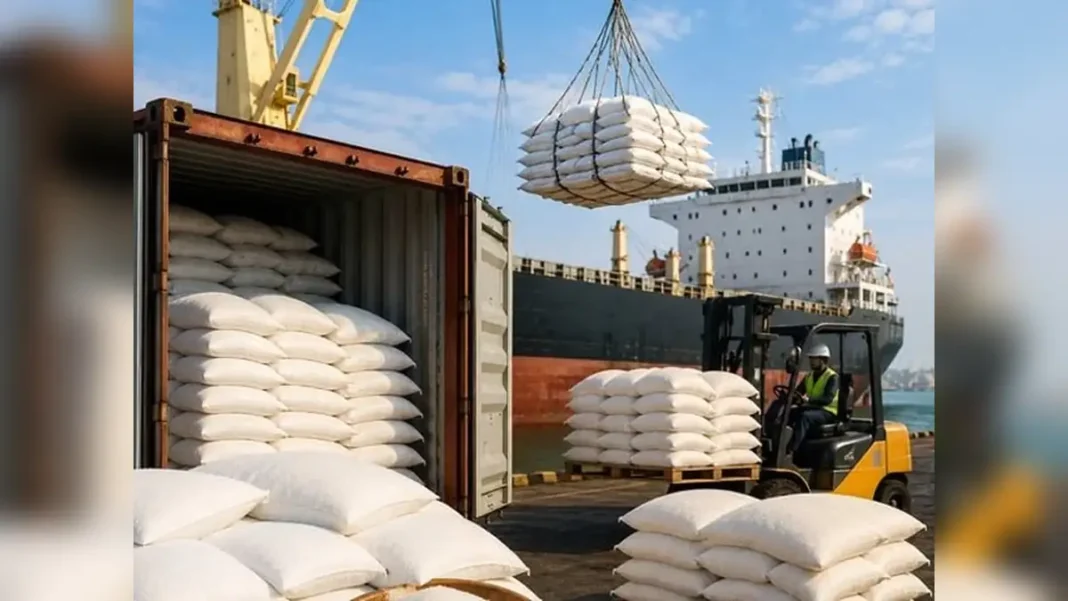
The Economic Coordination Committee (ECC) approved the export on Friday, the third such permission in four months, taking this season’s total to 724,000 metric tonnes. The summary was tabled as an additional agenda item, denying relevant ministries the chance to discuss it.
What the sugar export approval covers
The Cabinet Committee on Export of Sugar had recommended 400,000 metric tonnes, plus 16,000 tonnes for Sindh, taking the total to 416,000 tonnes. Earlier approvals covered 108,000 metric tonnes of imported sugar in August and 200,000 metric tonnes of local sugar in mid-September.
Food Security Minister Rana Tanveer Hussain said after the meeting that the crushing season was about to start and there was no shortage. The cane crushing season in Sindh has been delayed, leaving growers waiting.
An industry player said an in-principle decision to export 600,000 tonnes was taken months ago but implemented in two phases to avoid media hype. Sources said the matter was first settled at Deputy Prime Minister Ishaq Dar’s level.
Feature Pakistan reported on November 18 that the government had approved 600,000 tonnes of sugar exports. The latest account explains that figure as the in-principle decision, with Friday’s approval as the formal step.
IMF condition on deregulation still unmet
The IMF wants Pakistan to completely deregulate the sugar sector and end the government’s role in sugar exports and imports. The condition has not been met, which Secretary Finance Imdadullah Bosal attributed to one province’s refusal.
Finance Minister Muhammad Aurangzeb stressed the need to deregulate the sector but again permitted the export, a participant in the meeting said.
The government acted days before an IMF board meeting on a fifth loan tranche of $1 billion, $200 million under the climate facility, and the Article-IV report.
The IMF’s Governance and Corruption Diagnostic Assessment report, released in November last year, exposed a nexus between the sugar sector and the state. “The sugar sector provides a case study of how the intertwined relationship between economic elites and state regulators combine to capture public benefits at deep costs to the overall public,” the report stated.
A heavily controlled sector
A draft deregulation policy says Pakistan exported 3.92 million tonnes over the last decade, imported about 565,000 tonnes, and earned around $1.6 billion. Sugar remains on the first schedule of the Export Policy Order, which bars export without federal permission.
The draft admits the sector is heavily constrained by zoning rules, administered prices and trade restrictions. These controls have left mills operating at roughly 60 per cent of capacity. Pakistan produces about 6.13 million tonnes of sugar a year on average, ranking seventh in the world, with 79 mills. Last year’s production was 5.8 million tonnes, worth around Rs1.1 trillion, against consumption of about 6.3 million tonnes.
Retail prices have risen about 16 per cent a year on average over five years, with peaks near 28 per cent. Average consumption is about 14.76kg per person per year.
Punjab MPAs recently raised a crisis in agriculture over wheat and sugarcane, while short-term inflation is running at 10.41 per cent year on year.
SME export loans eased in the same meeting
The ECC also relaxed the criteria for small and medium enterprises (SMEs) to access Rs50 billion in long-term concessional loans for exports. It waived the upfront export requirement and environmental compliance conditions, so new businesses get time to set up facilities, develop markets and secure export orders. SME borrowers are exempt from the initial rule that 80 per cent of sales be exports, but must reach exports equal to at least 50 per cent of projected sales within four years.
Frequently asked questions
How much sugar will Pakistan export now?
Another 416,000 metric tonnes, taking this season’s total to 724,000 tonnes, the third approval in four months.
Why was the summary not circulated to ministries?
It was tabled as an additional agenda item, which the ECC chairman can allow, but the practice denies ministries the chance to discuss and comment.
What is the IMF condition on sugar?
The IMF wants Pakistan to completely deregulate the sugar sector and end the government’s role in sugar exports and imports. The condition has not been met.
How big is Pakistan’s sugar sector?
About 6.13 million tonnes a year on average, ranking seventh in the world, with 79 mills. Last year’s production was 5.8 million tonnes, worth around Rs1.1 trillion.
What did the ECC decide on SME export loans?
Eased access to Rs50 billion in concessional export loans for SMEs, waiving the upfront 80 per cent export rule, with a 50 per cent export target within four years.