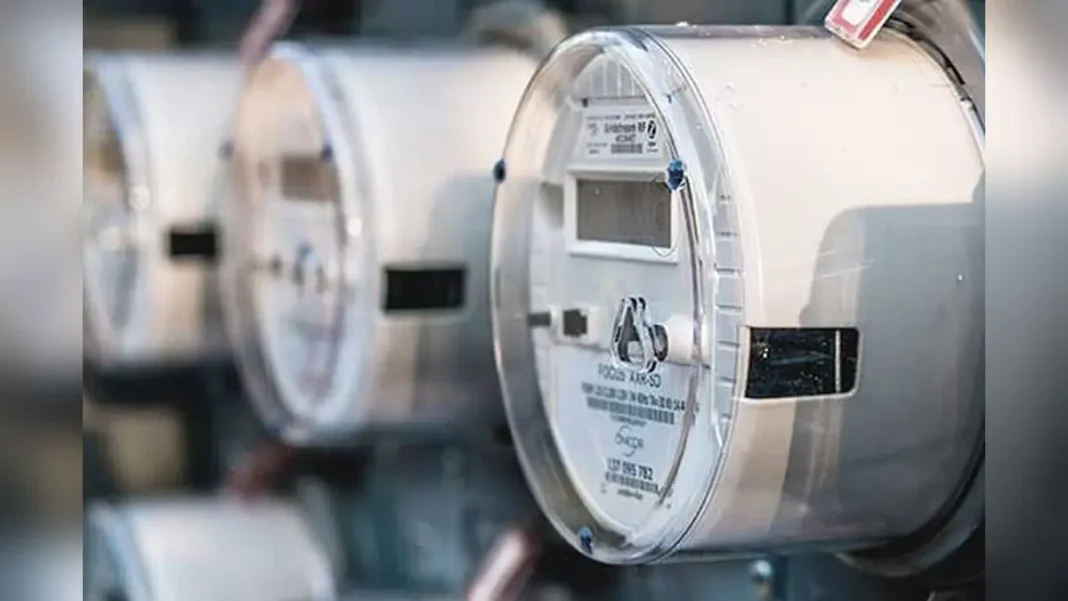
Pakistan Smart Meters Rollout: 16.2m Free in $1.3bn Plan
The Pakistan smart meters rollout will replace 16.219 million conventional electricity meters in five power distribution companies, under a project worth up to $1.298 billion. The rollout will cost consumers nothing upfront, with private investors funding the work and recovering their money through monthly electricity bills.
The International Finance Corporation (IFC), the private-sector arm of the World Bank Group, is preparing to discuss the plan with the Power Division during a visit to Pakistan from November 24 to December 2. ProPakistani first reported the details on Saturday, and Business Recorder carried the same figures.
No upfront cost for consumers
One of the main features of the plan is that households will not pay anything to have their old meter replaced. Installation will be free, and private investors will receive an agreed payment per meter, collected through monthly bills in rupees.
The IFC puts the cost at $60 to $80 per meter, which takes the total to between $973 million and $1.298 billion. That covers meters, installation, data systems, licences and related costs. The final cost will be set after the first international competitive bidding process. Sources said the programme should be completed within about two years, working in phases with priority feeders first.
Five Discos covered by the Pakistan smart meters plan
The Advanced Metering Infrastructure (AMI) programme will cover the Lahore Electric Supply Company (LESCO), Multan Electric Power Company (MEPCO), Peshawar Electric Supply Company (PESCO), Hazara Electric Supply Company (HAZECO) and Quetta Electric Supply Company (QESCO).
Under the plan, 16.219 million conventional single-phase meters will be replaced or upgraded by private AMI service providers, working under a public-private partnership model. The project aims to cut distribution losses, improve billing accuracy and revenue recovery, and restore consumer confidence in the power sector.
IFC to discuss the plan in Islamabad
IFC Regional Vice President Imad Najib Ayed Fakhoury will lead the delegation, and has asked to meet the Power Minister on November 30. The talks will also cover distribution company reforms and transmission infrastructure, alongside a planned electricity market overhaul, and measures to cut energy costs.
The IFC is already the transaction adviser for the project, under a three-year agreement signed on April 17, 2026. Its role is to build the financial, technical and legal framework and to shape a deal private investors will fund. Any direct IFC investment would need a separate decision and approvals. The advisory work will run in four phases, from project diagnostics and the business case to deal structure, procurement support and contract signing.
The Private Power and Infrastructure Board (PPIB) is expected to hold market sounding sessions in Karachi and Islamabad to test investor interest and gather feedback on the proposed structure.
Business community has already raised cost concerns
The plan has already drawn a warning from business leaders. At a PPIB consultation last month, the Federation of Pakistan Chambers of Commerce and Industry (FPCCI) warned that consumers could end up paying around Rs1.4 trillion over 12 years under an illustrative financing arrangement, and asked for the framework to be suspended until an independent cost-benefit analysis is done and published.
That warning was based on an earlier $2.3 billion estimate for the same 16.2 million meters, so the new IFC figure of up to $1.298 billion is well below it. Even so, the question has not gone away: households will repay the cost through their bills, so the per-meter payment and the repayment period will decide how much extra consumers actually pay. The government has separately flagged corruption vulnerabilities in ten institutions, a reminder that the sector’s problems run beyond old hardware. The meter technology has not been finalised yet; local manufacturing will be preferred, with foreign firms able to partner with Pakistani investors.
Why smart meters matter for Pakistan
Pakistan’s power distribution companies have long struggled with high losses, wrong bills, electricity theft and weak recovery of billed amounts. Old meters are read by hand, can be tampered with, and give companies no live picture of where power goes.
Smart meters record use in real time and send the data back to the company, so bills reflect actual consumption and theft is harder to hide. If the rollout works as planned, it should mean fewer disputed bills for households and steadier revenue for the Discos.
Electricity bills are already set to rise in December, so the timing of this announcement matters for households watching their monthly costs. There are also practical ways to save money on electricity bills at home.
Frequently asked questions
How many smart meters will Pakistan install?
The plan covers 16.219 million conventional single-phase meters across five distribution companies: LESCO, MEPCO, PESCO, HAZECO and QESCO.
Will consumers pay for the new smart meters?
No upfront payment is required. Installation is free, and private investors will recover their investment through agreed per-meter payments collected via monthly electricity bills in rupees.
How much will the Pakistan smart meters project cost?
The IFC estimates $60 to $80 per meter, putting the total at $973 million to $1.298 billion. The final cost will be set after the first international competitive bidding process.
When will the smart meter rollout start?
The IFC delegation visits Pakistan from November 24 to December 2, 2026, and has asked to meet the Power Minister on November 30. The rollout is expected to take about two years once it begins.
Why is Pakistan replacing its electricity meters?
The project aims to cut distribution losses, improve billing accuracy and revenue recovery, curb electricity theft, and make the power distribution system more reliable.