Global Food Import Bill to Hit $2.27tr in 2026, Says FAO
The global food import bill will reach $2,267 billion in 2026, up 1.9 per cent from the revised estimate of $2,224.8 billion, according to a new United Nations report.
The Food Outlook, published by the Food and Agriculture Organisation (FAO), says import bills will rise for most food groups in 2026, led by animal products and the oil seed complex. Cereals are also expected to record an increase.
The rise is far slower than the nearly 8 per cent jump recorded in 2025. The slowdown comes mainly from lower international prices of coffee and cocoa, even as the bills for cereals and oilseeds climb again.
Which foods are driving the global food import bill
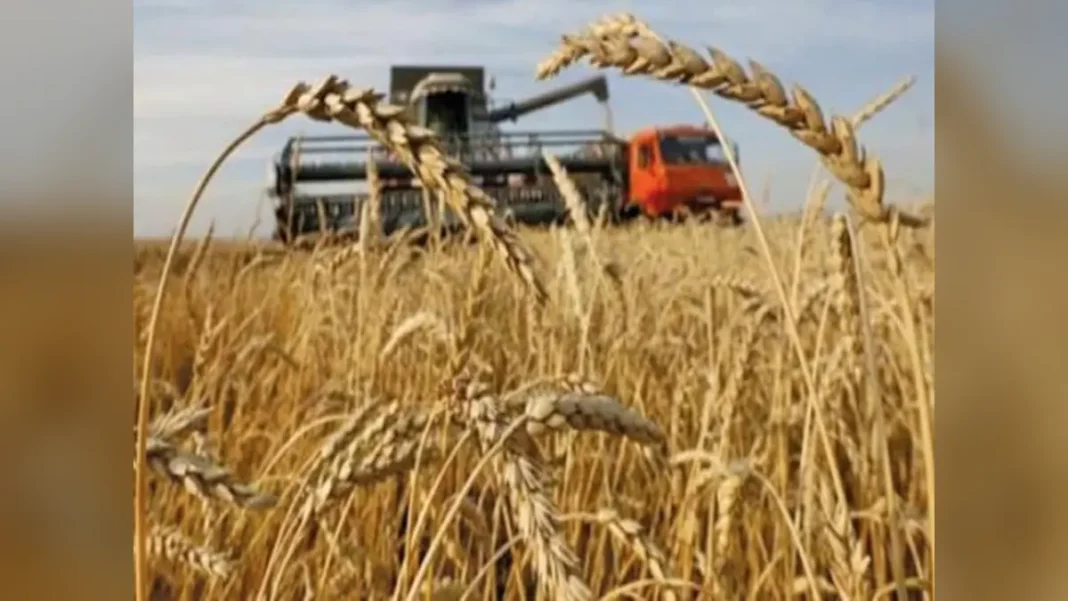
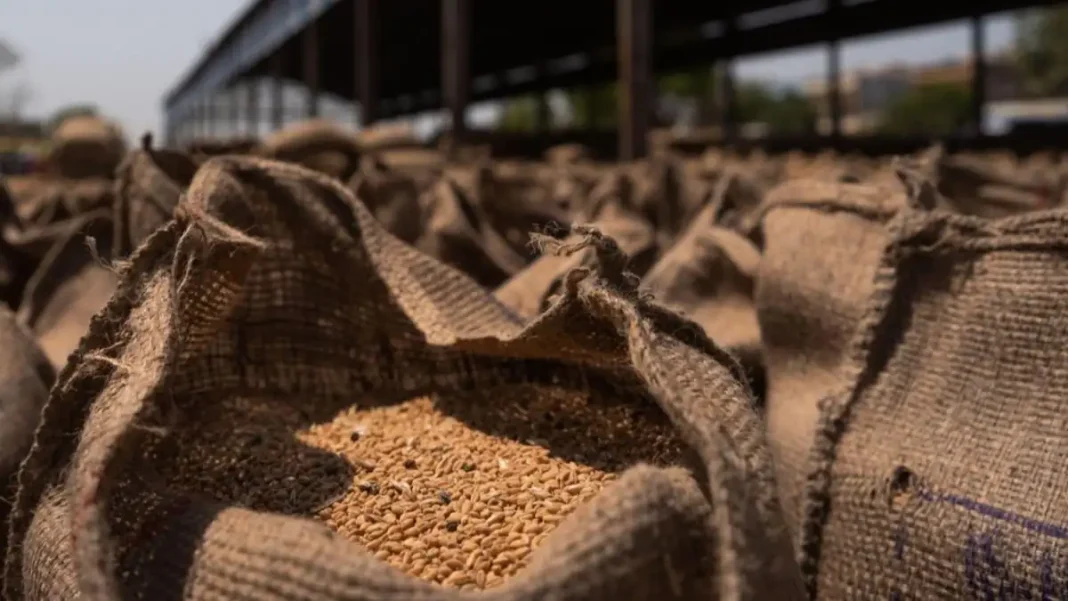
The cereal import bill is expected to rise by 3 per cent, or $8.9 billion, mainly reflecting a partial recovery in purchases by some upper-middle-income countries after steep cuts in 2025.
In the oil seed complex, strong demand from processors and firm international prices are pushing import bills higher. The bill for oil seeds and oleaginous fruits is projected to increase by 9.9 per cent, or $12.7 billion, with most of the rise concentrated in middle-income economies.
The import bill for meat products is forecast to rise by 6.9 per cent. In contrast, the bill for coffee, tea, cocoa, spices and related products is expected to shrink by 11.9 per cent in 2026.
Global cereal stocks are forecast to rise by 1.8 per cent by the close of the 2026-27 season, largely reflecting wheat inventories building up in Russia and Ukraine. World trade in cereals in 2026-27 is forecast to contract by 3.3 per cent, driven almost entirely by a decline in wheat trade.
World rice production is forecast to fall for the first time in four seasons. World sugar production is forecast to decline in 2026-27 and fall below expected consumption, and international sugar prices have risen markedly in recent months.
Poorer countries face the fastest rise in costs
The burden of the higher bill is not falling evenly. In most years of rising import bills over the past decade, high-income countries accounted for between half and nearly all of the increase, including 79 per cent in 2025. In 2026, their share of the increase is projected at just 13 per cent.
Upper-middle-income countries are expected to account for about two-thirds of the increase. Their import bill is projected to rise by 5.1 per cent, or $28.3 billion, largely driven by oil seeds and cereals.
The combined food import bill of low- and middle-income countries is projected to increase by 4.9 per cent, or $36.5 billion, in 2026, led by oil seeds and cereals. The bill of lower-middle-income countries is expected to rise by 3.1 per cent, or $5.3 billion, mainly due to higher spending on vegetable oils and oilseeds. The bill for the least developed countries is forecast to rise by 3.9 per cent.
The FAO has urged timely financial support and expanded funding for food and fertiliser imports, warning that rising commodity prices and delays in assistance could increase pressure on vulnerable importing countries in 2027.
What the food import bill means for Pakistan
Pakistan sits squarely in the group facing the faster rise. As a lower-middle-income country, it buys much of its food from world markets, so a higher global bill feeds directly into household budgets and the import bill.
The pressure is already visible at home. Flour prices have hit record highs, with a 20kg bag reaching Rs3,600, and Pakistan faces a rainfall shortage and a drought warning that could cut local output further.
There is a counterweight on the export side. Pakistan’s rice exports rose to 1.35 million tonnes in the first four months of the current fiscal year, which brings in foreign exchange even as import costs climb. The government has also approved the export of 416,000 tonnes of sugar, although world sugar production is now forecast to fall below consumption.
Since mid-year, international prices of cereals and sugar have risen after remaining lower earlier in the year, while vegetable oil prices remained firm. Higher energy prices have raised freight costs, while renewed disruptions in the Strait of Hormuz could restrict fertiliser supplies, affecting crop yields in 2027, despite fertiliser prices easing from their April peak.
The El Nino phenomenon, which is now established and strengthening, has added to the uncertainty, with its effects likely to vary across regions and crops. Combined grain shipments from Ukraine’s Greater Odesa ports and Russia’s Sea of Azov and Black Sea ports dropped below 0.5 million tonnes in September 2026, from 7.8 million tonnes a year earlier.
Frequently asked questions
How much is the global food import bill in 2026?
The FAO projects the global food import bill at $2,267 billion in 2026, up 1.9 per cent from the revised estimate of $2,224.8 billion.
Which food groups are driving the increase?
Animal products and the oil seed complex are leading the rise. The cereal bill is up 3 per cent, oilseeds are up 9.9 per cent, and meat is up 6.9 per cent, while coffee, tea, cocoa and spices are down 11.9 per cent.
Which countries face the fastest rise in food import costs?
Lower- and middle-income economies face a combined rise of 4.9 per cent, faster than the global average. Upper-middle-income countries account for about two-thirds of the total increase.
What risks could push the bill higher in 2027?
The FAO points to higher energy costs, possible fertiliser supply disruption linked to the Strait of Hormuz, the strengthening El Nino, and financing constraints for importing countries.
Why is the rise slower than in 2025?
The slowdown comes mainly from lower international prices of coffee and cocoa, even as the bills for cereals and oilseeds climb again. The global bill rose by nearly 8 per cent in 2025.