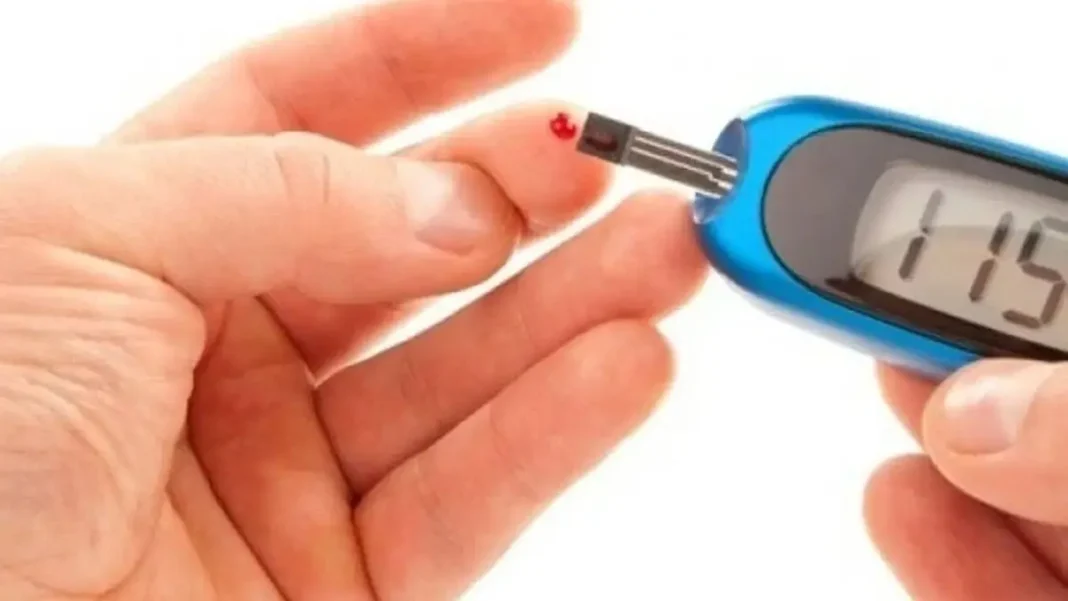
Pakistan to Launch First National Diabetes Prevention Programme
Pakistan is set to launch its first-ever national diabetes prevention programme this month, in collaboration with the federal health ministry, experts announced at a conference in Karachi on Sunday. The programme will begin in Islamabad, with public awareness and early risk assessment first.
The announcement came at a one-day scientific conference organised by the Diabetes Association of Pakistan (DAP) to mark World Diabetes Day, Dawn reported. The conference, held under the theme “Early Action on Diabetes”, drew diabetes specialists from Pakistan and abroad.
How the diabetes prevention programme will work
DAP Secretary General Professor Dr Abdul Basit said the programme was the first of its kind in the country, developed on the prime minister’s directions. Details of the oversight committee will be announced within one to two weeks.
It will run for three to five years, starting with awareness and early risk checks. Later phases will add prevention, diagnosis and treatment facilities across the country.
The RAPID Score assesses risk in about 30 seconds, using three questions about age, waist circumference and family history, without a blood test. Age scores zero points below 40, one point from 40 to 60 and three above 60, while a waist above 90 centimetres for men or 80 for women adds two points. Family history is the third indicator.
The federal government has allocated Rs6.8 billion for the Prime Minister’s Programme for Prevention and Control of Diabetes Mellitus, to strengthen screening and early diagnosis. It will start as a pilot in Islamabad before reaching other provinces.
The scale of the problem
DAP Vice President Professor Shabeen Naz Masood warned that one in three Pakistanis is affected by diabetes. Professor M. Zaman Sheikh, the association’s vice president for academics, put the reported prevalence rate at 33 per cent.
Feature Pakistan reported earlier this month that about 34.5 million adults in Pakistan live with diabetes, a figure that could reach 70.2 million by 2050. More than a quarter of cases, 26.9 per cent, remain undiagnosed.
Professor Sheikh called diabetes a silent killer that could stay undetected for eight to 10 years, and said some patients still neglect it even when their blood glucose reaches 300.
He linked the burden to unhealthy lifestyles, fast food, sugary drinks, obesity and stress. A single burger could contain at least 500 calories, he said, while a soft drink could hold as much sugar as six cups of tea. He urged patients to start exercise, physical activity and weight training from the first day of diagnosis, alongside prescribed medication.
Poor air quality adds to the burden in cities, where Lahore has recorded readings above 500 and smog has worsened across Punjab this month. Rising food costs, with flour at Rs3,600 for a 20kg bag, make healthy eating harder for low-income families.
Mosque-based screening model
A mosque-based diabetes awareness and screening model from Bangladesh will reach Pakistan early next year, then the 57 member states of the Organisation of Islamic Cooperation (OIC).
It began with 100 mosques, where imams and women from their families learned about prevention. Friday sermons approved by the religious affairs ministry, Al-Azhar University and the Imam of Makkah carried short awareness messages. Screening was arranged outside mosques for men and in adjoining rooms for women.
New cases fell by up to 42 per cent in the targeted areas in one year, research showed. It then expanded to about 300,000 mosques in Bangladesh, reaching an estimated 20 to 40 million people every Friday.
The initiative is being led by diabetes specialist Professor A.K. Azad Khan, Business Recorder reported. The International Diabetes Federation has praised the model, and COMSTECH has appointed Professor Basit to help expand it across the 57 OIC states. A grant application is with the Higher Education Commission, with a decision due in two to four months. The launch will go ahead early next year even without the grant, using personal resources.
Screening in pregnancy and new technology
Professor Masood recommended blood glucose screening before and during pregnancy, in three stages: before pregnancy or in the early months after it is confirmed, between 22 and 24 weeks, and between 34 and 36 weeks.
She said the third test mattered most for Pakistani and Asian women, who face higher risk even when earlier tests are normal. Without timely diagnosis and treatment, affected women face a higher risk of permanent Type 2 diabetes within three to four years.
Iram Ghafoor, representing the International Diabetes Federation, said continuous glucose monitoring helped patients manage diabetes and kept people with prediabetes from developing the full disease. The devices give readings every three to five minutes without repeated finger-prick testing. Options in Pakistan cost from Rs8,000 to Rs18,000, with more advanced devices at Rs150,000 to Rs200,000, according to The News.
Frequently asked questions
When will the diabetes prevention programme launch?
The national diabetes prevention and control programme will launch this month, starting in Islamabad as a pilot. It will run for three to five years before it is extended across the country.
What is the RAPID Score?
The RAPID Score is a 30-second risk assessment that uses three questions about age, waist circumference and family history. It estimates a person’s likelihood of developing diabetes without a blood test or medical examination.
How big is diabetes in Pakistan?
About 34.5 million adults in Pakistan live with diabetes, and about one in three adults is affected. The number could reach 70.2 million by 2050, and 26.9 per cent of cases remain undiagnosed.
What is the mosque-based screening model?
The model started in Bangladesh with 100 mosques, where imams and their families were educated about diabetes prevention and Friday sermons carried short awareness messages. Screening was arranged outside mosques for men and in adjoining rooms for women. It cut new diabetes cases by up to 42 per cent in the targeted areas over one year.
How can pregnant women protect themselves?
Experts recommend three blood glucose screenings: before pregnancy or in the early months after it is confirmed, between 22 and 24 weeks, and between 34 and 36 weeks. The third test matters most for Pakistani and other Asian women, who face higher risk even when earlier tests are normal.