KP Gas Crisis Deepens as LPG Prices Surge Past Rs600
The KP gas crisis has left homes across Khyber Pakhtunkhwa struggling to cook daily meals, as the worst spell of Sui gas load-shedding meets a sharp rise in LPG prices. The Tribune reported that LPG has climbed past Rs600 per kilogram in the province, and families that switched to cylinders after piped gas failed now face a second shock.
The squeeze comes as temperatures dip with the onset of colder weather. Piped gas supply to homes is largely unavailable, while long queues of vehicles snake outside CNG stations in Peshawar and across the province.
KP gas crisis: LPG up from Rs380 to over Rs600 in a month
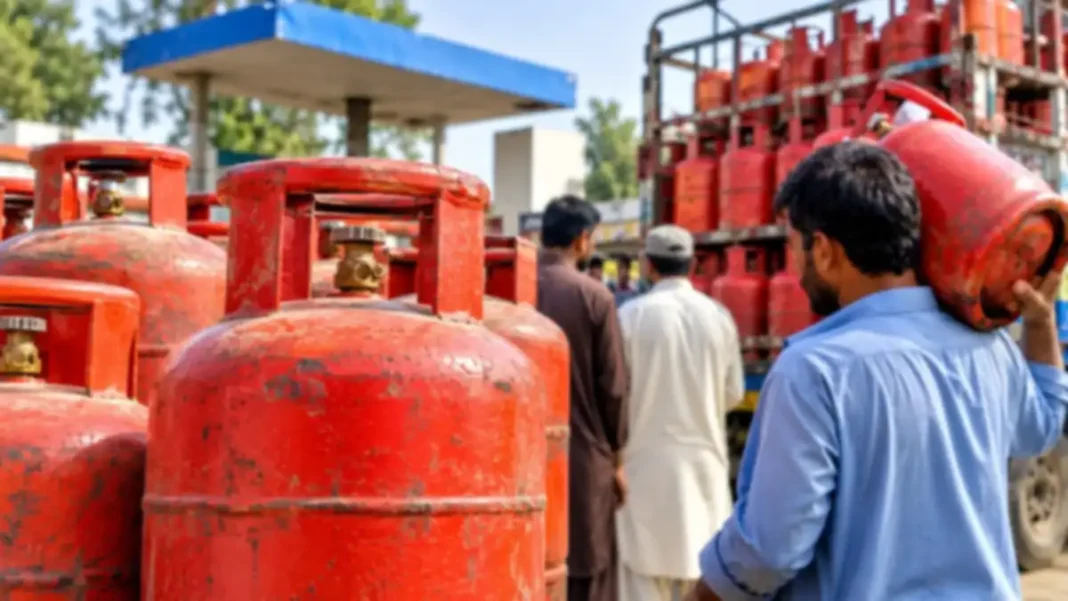
In just one month, the price of LPG in Khyber Pakhtunkhwa has surged from Rs380 to more than Rs600 per kg. In rural areas, the rate has touched Rs620. Traders dealing in liquefied petroleum gas have taken full advantage of the scarcity, the Tribune reported, fixing arbitrary prices of their own choosing.
The market price stands far above the official rate. The Oil and Gas Regulatory Authority (OGRA) set the official November price of an 11.8kg domestic cylinder at Rs3,470.09, according to ProPakistani. At Rs600 per kg, the same cylinder costs about Rs7,080 on the open market, more than double the official price. A family using two cylinders a month in winter would pay around Rs14,160 at market rates, against Rs6,940 at the official price, ProPakistani reported. Food prices are rising at the same time: Feature Pakistan reported that short-term inflation hit 10.41% as flour prices climbed.
Queues at CNG stations as rickshaws switch to LPG
The shortage has spread from kitchens to the roads. With CNG in short supply, long queues have formed at filling stations in Peshawar and across the province. Rickshaw drivers who can no longer find CNG have converted to LPG, which pushes demand higher and lifts prices further. Each rickshaw that moves to LPG adds to the demand households compete for, and each price rise lifts the running cost of the rickshaws that carry passengers across the city.
The fuel market itself is under strain. ProPakistani reported that Sui Northern Gas Pipelines Limited (SNGPL) has extended its ban on new domestic gas connections indefinitely, as disrupted supplies of regasified liquefied natural gas (RLNG) widen the gas shortfall at the start of winter. The report said commercial connections for tandoors and hotels have also been stopped from this month.
Why gas runs short every winter
The KP gas crisis follows a pattern that repeats each winter. Demand for gas rises sharply in the cold months, as households use it for space heating and water heating, while supply stays flat or falls. The News reported that SNGPL expects demand on its network to rise from about 550 million cubic feet per day to 1,100 million cubic feet per day in winter, while Sui Southern Gas Company (SSGC) expects demand to climb from 300 to 500 million cubic feet per day.
To manage the gap, both utilities now supply homes in three fixed windows a day. SNGPL and SSGC announced the schedule on November 4, 2026. Gas reaches homes from 6:30am to 9am, again from 12 noon to 2:30pm, and in the evening from 6pm to 9pm, about eight hours in all. The windows sit around breakfast, lunch and dinner, but outside them the stove stays cold.
Supply is also tight. The News reported that Pakistan may need 24 LNG cargoes from November 2026 to February 2027, with 15 meant for households. The winter plan lists 10 spot cargoes alongside 12 long-term ones, and September spot tenders drew bids of more than $26 per MMBtu.
Help for the cold season is limited. The United Nations has drawn up a UN winterisation strategy for Pakistan, aimed at families facing the winter without reliable heat. On the supply side, Oman agreed a $200m credit line for PSO fuel supplies.
What residents are asking for
Public anger is mounting across the province. Residents are calling on the government to ensure regular gas supply or, at the very least, to bring LPG prices under control so that families can meet their daily food needs. They also want strict action against LPG dealers who keep selling fuel at self-determined, inflated rates.
The Centre released Rs10bn for a KP uplift package, but residents say that money will mean little in winter if kitchens stay cold. The gas trade itself faces tighter rules, after state-owned enterprises scrapped LPG auctions following a Lahore High Court hearing.
Without quick action, the mix of empty pipelines and unaffordable cylinders threatens a long stretch of hardship for homes across the province as the cold deepens.
Frequently asked questions
How much has LPG risen in Khyber Pakhtunkhwa?
LPG has risen from Rs380 to more than Rs600 per kg in one month. In rural areas of the province, the rate has touched Rs620 per kg.
What is the official OGRA price of an LPG cylinder?
OGRA set the official November price of an 11.8kg domestic cylinder at Rs3,470.09. At the market rate of Rs600 per kg, the same cylinder costs about Rs7,080, more than double the official price.
What are the winter gas supply timings for homes?
SNGPL and SSGC supply homes in three windows a day: 6:30am to 9am, 12 noon to 2:30pm and 6pm to 9pm, about eight hours in all. The schedule started on November 4, 2026.
Why do rickshaw drivers use LPG?
CNG is in short supply, with long queues at filling stations in Peshawar and across Khyber Pakhtunkhwa. Rickshaw drivers who cannot find CNG have converted to LPG, which pushes LPG demand and prices higher.
What are residents demanding from the government?
Residents want regular gas supply, control over LPG prices and strict action against dealers who charge arbitrary rates. They say families cannot meet daily food needs while cylinders cost more than Rs600 per kg.