Fidan Warns World Economy Hinges on Iran Peace Deal
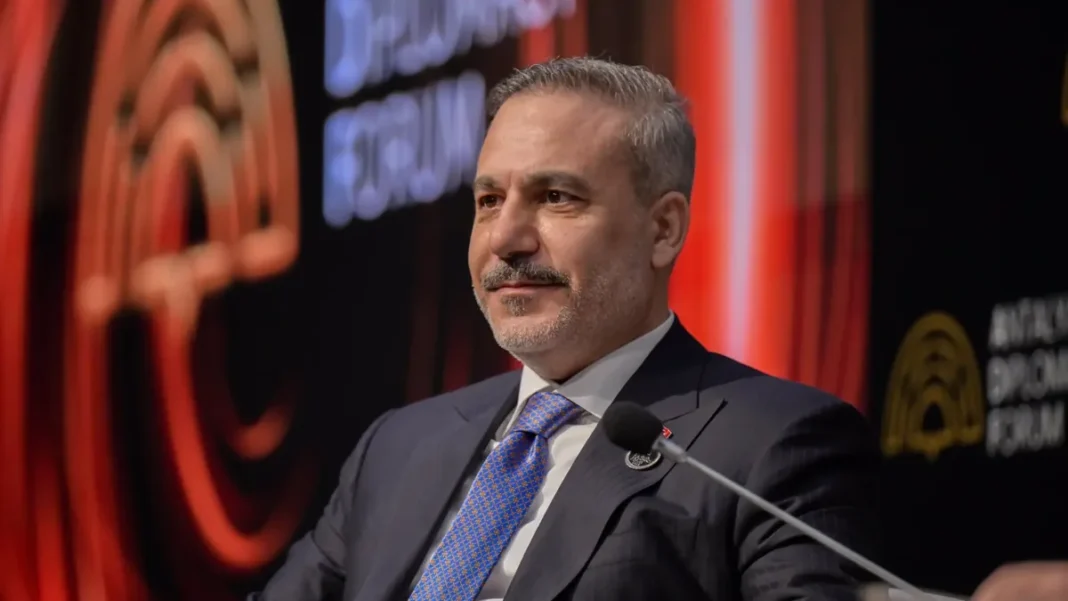
Turkish Foreign Minister Hakan Fidan has warned that the war on Iran is placing a growing economic burden on countries around the world, and that an Iran peace deal is now needed to ease the pressure on global markets.
Fidan said the cost of the conflict and the absence of a settlement were becoming harder for many countries to bear. He was speaking to Turkish broadcaster TGRT Haber, in remarks reported by Al Jazeera.
“The economic burden brought by this war and lack of resolution is getting harder every day for many countries. It is heading toward having very destructive effects. Hopefully it [an agreement] will succeed. We are also doing everything we can,” he said.
Iran peace deal efforts continue despite deadlock
Fidan said diplomatic efforts to reopen the Strait of Hormuz were continuing, despite an apparent deadlock in the process. He confirmed that mediation efforts remained under way and said he had recently discussed the crisis with the prime minister of Qatar.
He also outlined a two-track approach to the disputes involving Iran. Questions about Tehran’s nuclear programme, he said, could be addressed within the frameworks of the United States and the United Nations. Other regional issues involving Iran should be settled directly by the countries of the region.
The warning adds an economic dimension to Bilawal Bhutto-Zardari’s earlier caution that a breakdown in the dialogue could carry serious costs.
Bilawal warns failed talks could spread conflict
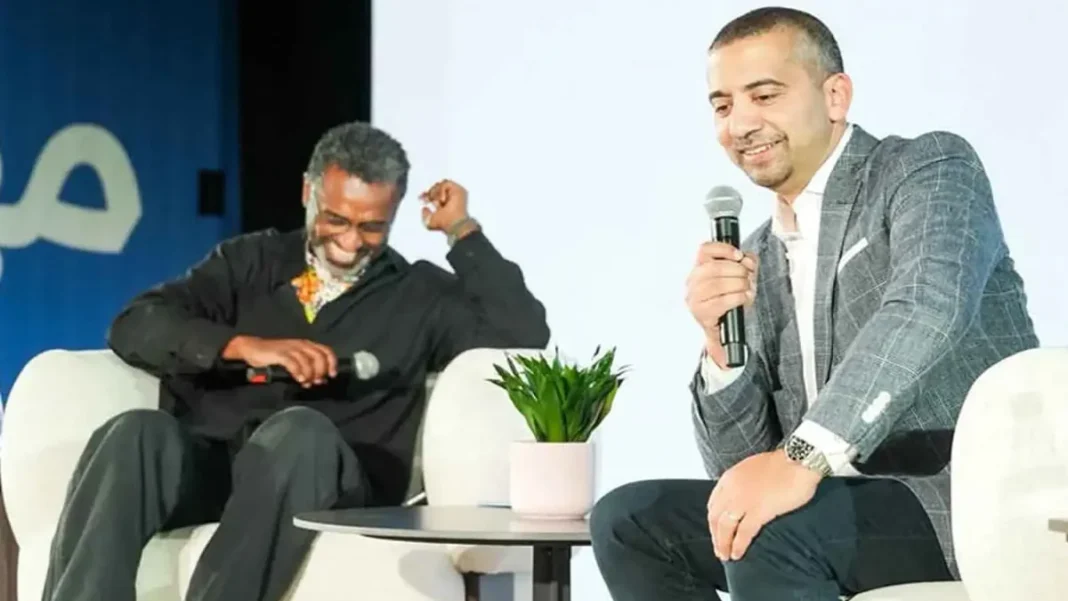
Separately, Pakistan Peoples Party chairman Bilawal Bhutto-Zardari cautioned that the failure of peace talks between the US and Iran could cause the conflict to “exacerbate, spread, and ferment” far beyond its current borders.
In an interview with TRT World, the former foreign minister said Pakistan, alongside China and Turkiye, had played a key role in brokering the initial ceasefire. He added that the three countries remained actively involved in efforts to keep the negotiations alive.
Bilawal said the war was also slowing global economic growth and worsening poverty. He added that he hoped it would end soon so countries could focus on economic recovery and other global challenges.
He also said ordinary Americans were tired of prolonged wars in the Middle East, a sentiment he believed was reflected in the results of the recent US midterm elections.
What the Iran peace deal means for Pakistan
For Pakistan, the stakes in an Iran peace deal are direct. The country imports the bulk of its crude oil, and any disruption in the Strait of Hormuz would push up fuel costs at home. Islamabad moved on Sunday to secure its oil supply, signing an agreement under which Oman will supply petroleum products to Pakistan State Oil and extend a $200 million credit line.
Pakistan’s role in the diplomacy is also central. Ishaq Dar has said an early US-Iran peace agreement remains possible, and Islamabad has worked with Ankara and Beijing to keep the ceasefire in place. Donald Trump has warned that the United States could resume strikes on Iran in the new year, a threat that keeps oil markets nervous.
Makkah Defence Alliance and regional security
Bilawal also spoke about the wider shift in regional security. He said the conflicts in Ukraine and Iran had changed how countries viewed their own safety. Nations were increasingly reluctant to rely on a single superpower for protection, he said, and were building partnerships with their neighbours instead.
In this context, he welcomed the Makkah Defence Alliance, a security agreement between Pakistan, Saudi Arabia and Turkiye under which an attack on one member is treated as an attack on all. He praised Prime Minister Shehbaz Sharif and Field Marshal Asim Munir, and expressed hope that Gulf states would join the alliance.
Pakistan, Turkiye, Saudi Arabia and Egypt have already thrown their collective weight behind the Islamabad-brokered understanding between Iran and the United States, as regional and European powers step up efforts to prevent another round of hostilities in the Gulf.
Bilawal described Israel as a “spoiler” in the region, saying many countries viewed it as preferring continued instability. He expressed doubt that a change in Israeli leadership would necessarily alter this approach.
He also raised the threat from Afghanistan, saying modern weapons left behind by the United States had found their way into illegal markets. “Today, terrorists and criminal gangs hiding in Afghanistan have better weapons than local Pakistani police,” he said, warning that the Taliban authorities were either unwilling or unable to prevent armed groups from operating.
Frequently asked questions
What did Hakan Fidan warn about the Iran peace deal?
Fidan warned that the war on Iran is placing an increasing economic burden on countries worldwide, and that a ceasefire is needed to ease the pressure on global markets.
What did Bilawal Bhutto-Zardari say about the US-Iran talks?
Bilawal cautioned that the failure of peace talks between the US and Iran could cause the conflict to “exacerbate, spread, and ferment” far beyond its current borders.
What is the Makkah Defence Alliance?
It is a security agreement between Pakistan, Saudi Arabia and Turkiye under which an attack on one member is treated as an attack on all. Bilawal welcomed it and hoped Gulf states would join.
Why does the Strait of Hormuz matter for Pakistan?
Pakistan imports the bulk of its crude oil, and the strait is the main route for Gulf oil shipments. Any disruption there would push up fuel costs and strain the economy.
What is the two-track approach Fidan proposed?
Fidan said questions about Iran’s nuclear programme could be addressed within the frameworks of the United States and the United Nations, while other regional issues involving Iran should be settled directly by the countries of the region.