Supreme Court Auqaf Ruling Protects Private Land
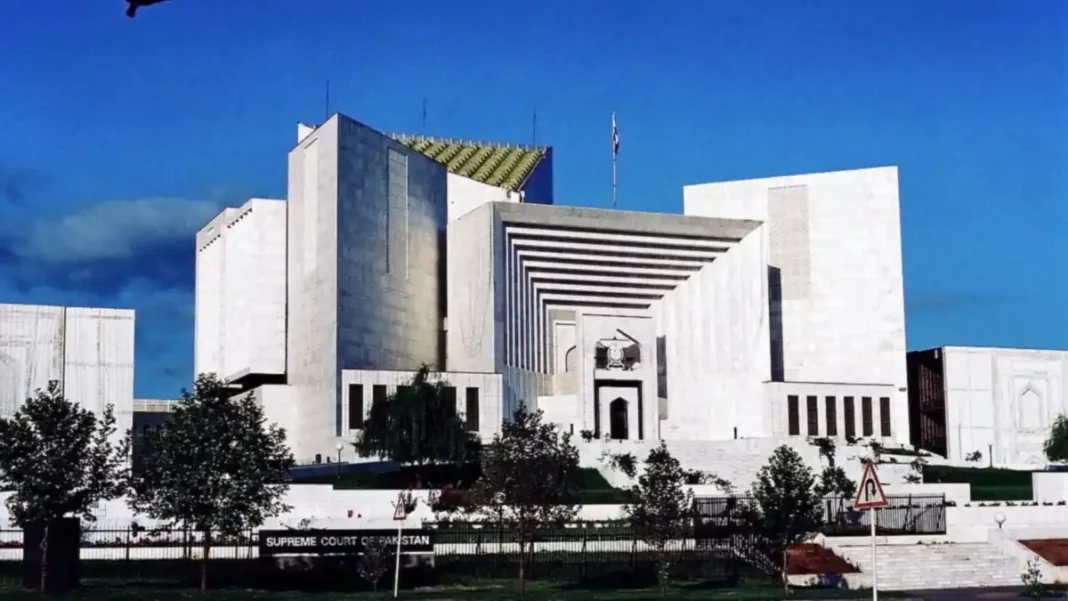
The Supreme Court Auqaf ruling states that private land containing a grave or a shrine does not automatically become the property of the Auqaf Department. The court declared the department’s move to take over the management and possession of private land illegal, and it dismissed the appeal filed by the Chief Administrator Auqaf Punjab.
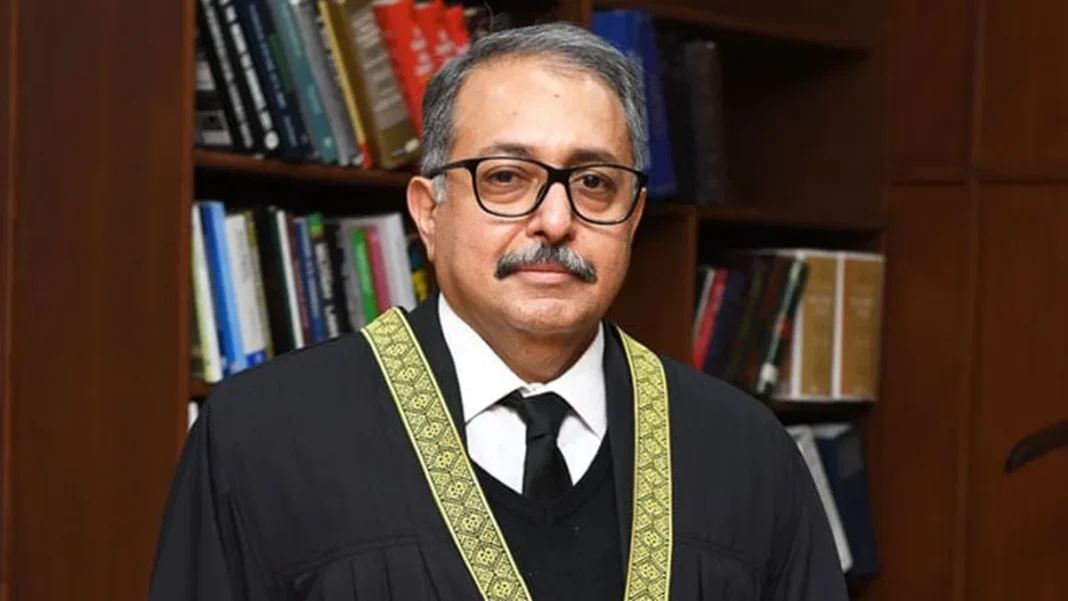
The judgment, authored by Justice Shahid Waheed, sets a clear test. Proving a permanent endowment, known as Waqf, is essential before land can be declared Waqf property, and the mere arrival of visitors and collection of offerings does not transfer ownership.
Why the Supreme Court Auqaf ruling matters
The court examined what turns private land into Waqf property, and it drew a firm line. If a person builds a grave for a loved one on private land, that act alone does not render the land Waqf. The establishment of a shrine on private property, the presence of devotees and the collection of offerings cannot be treated as proof that the land has been permanently endowed.
The judgment states that the Auqaf Department is not authorised to take custody of privately owned land, or to assume its management, without the consent of the owner. Nor can it take control of the land without the consent of a living endower, known as the Waqif.
The burden of proof rests on the party claiming the land is Waqf. A mere entry recording a shrine, or Darbar, in the revenue record is not proof, and the department must show that a permanent endowment was actually made.
The court found the department had failed to fulfil the legal requirements and had not served notice as the law requires, so the takeover notification had no legal validity. It declared the department’s notification of 19 November 2003 illegal and without jurisdiction, and it upheld the Lahore High Court’s decision.
Land and buildings to be returned in 30 days
The judgment gives the Auqaf Department 30 days to return the management, control and possession of the land to its original owner. The land measures 5 kanals and 3 marlas, and the order covers the buildings constructed on it as well.
The court also directed the revenue authorities to rectify the mutations made in the land records on the basis of the notification.
What it means for shrine land across Punjab
Thousands of private graves and shrines stand on private land across Punjab. Until now, their owners faced the risk that the Auqaf Department could claim the property on the basis of a shrine’s presence or a revenue entry alone. This ruling narrows that risk sharply.
From now on, the department must prove a permanent endowment, serve proper notice and follow the legal process before it can take over any private property, and the consent of the owner or of a living endower is required.
The courts have dealt with shrine and land disputes before. A challenge to the Capital Development Authority over a house near the Bari Imam shrine is already before the courts, and the Lahore High Court disposed of petitions by Noreen Niazi and Uzma Khan this week after a detention order was withdrawn. The Supreme Court also disposed of appeals in the trial of Imaan Mazari and Hadi Ali Chattha, and a plea over the alleged siege of Maulana Fazlur Rehman’s residence in Lahore reached the Lahore High Court.
The Auqaf ruling decides a point of law that will be cited in future disputes: land with a family grave or a small shrine stays its owner’s unless a permanent endowment is proved. Dunya News reported the judgment on Tuesday.
Frequently asked questions
What did the Supreme Court decide?
The court ruled that private land with a grave or a shrine does not automatically become Auqaf Department property, and it declared the takeover illegal.
Who wrote the judgment?
Justice Shahid Waheed authored the written judgment, which dismissed the appeal filed by the Chief Administrator Auqaf Punjab.
What must be proved to declare land as Waqf?
A permanent endowment, or Waqf, must be proved. Visitors, offerings and a shrine’s entry in the revenue record are not proof on their own.
Can the Auqaf Department take over private land without consent?
No. The court held that the department cannot take custody or management of privately owned land without the owner’s consent, or without the consent of a living endower.
What must happen to the land in this case?
The Auqaf Department must return the 5 kanals and 3 marlas of land, with the buildings on it, to the original owner within 30 days, and the revenue authorities must correct the land records.