Pakistan China Fuel Storage Plan Agreed With Beijing
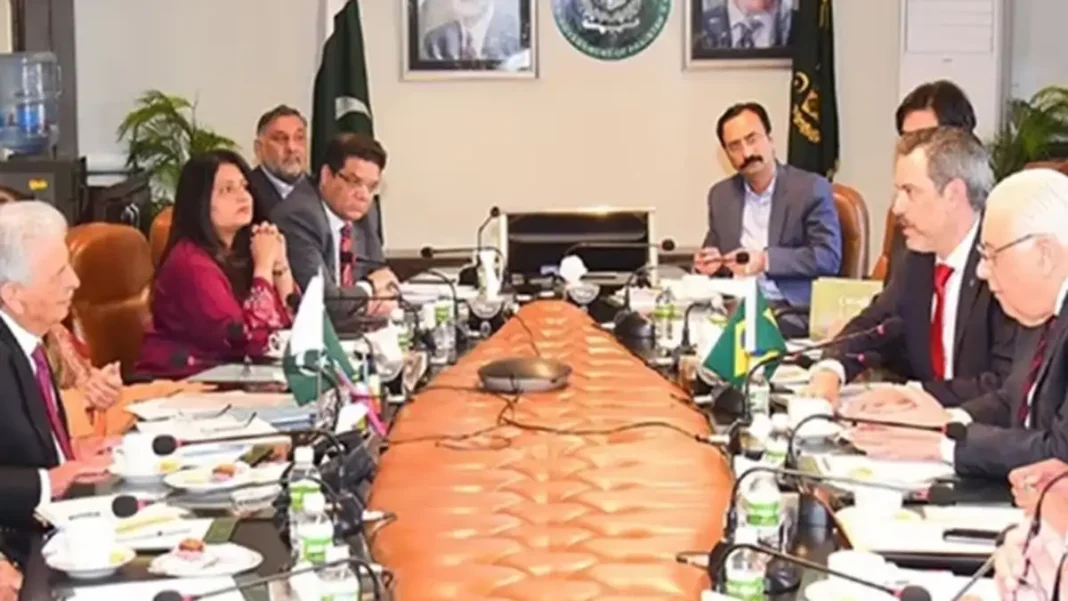
Pakistan China fuel storage cooperation has moved forward, with Islamabad and Beijing agreeing to government-to-government deals for Chinese investment in petrol and LPG storage and terminal facilities. Petroleum Minister Ali Pervaiz Malik reached the understanding in a meeting with Chinese Ambassador Jiang Zaidong in Islamabad on Wednesday, the Petroleum Division said.
Malik met the ambassador with PSO chief Jawwad Ahmed Cheema and the ambassador’s commercial team, and the two sides agreed concrete steps to deepen energy and mining cooperation, Dawn reported.
What the Pakistan China fuel storage deal covers
Two priorities were set for early action: an LPG plant with storage and terminal facilities, meant to expand domestic supply, improve access to cleaner fuel and ease peak-season shortages; and imports of motor gasoline, known as MoGas, covering sourcing, storage and logistics, to strengthen fuel security at competitive prices.
Both initiatives are expected to deliver early results for consumers and the wider economy, the statement said. To keep the work on track, the two sides agreed to form a joint commercial team with representatives from Pakistan and China. The team will evaluate the opportunities, engage prospective companies and develop a roadmap for projects across upstream, offshore and downstream operations, including the LPG plant, the MoGas imports, minerals and mining.
Wider energy and mining cooperation
The meeting covered upstream oil and gas exploration, offshore development, mineral exploration, mining and strategic energy infrastructure. The minister encouraged Chinese investment in these areas, building on priorities set at the recent APEC meeting in Shenzhen.
The talks gave particular weight to investment in Balochistan and to offshore opportunities, including integrated offshore hubs. The talks also covered Chinese downstream companies entering Pakistan through partnerships with PSO, the state oil company.
The Oil and Gas Development Company (OGDCL) and other national energy firms will work with Chinese companies to build partnerships across the energy value chain, the statement said.
“Pakistan offers immense untapped potential across its energy and natural resources sectors. Our priority is to translate this potential into concrete investments, industrial growth and sustainable economic opportunities,” Malik was quoted as saying. He said the government was committed to a transparent and secure investment environment, and to opening the energy market to greater participation and competition.
Ambassador Jiang reaffirmed China’s continued support for Pakistan and assured full cooperation through the Chinese Embassy and its commercial team. He welcomed the proposed framework and expressed keen interest in exploring investment opportunities and stronger business-to-business links between the two countries.
Why storage matters for Pakistani consumers
Storage sits at the centre of Pakistan’s fuel problems. When stocks run low, prices spike and filling stations run dry, while LPG shortages hit households hardest in winter. New storage and terminal capacity would give the country a buffer against supply shocks and let it buy fuel when prices are lower.
The security of existing fuel infrastructure is also under strain. Thieves stole 49,000 litres of diesel from a PSO pipeline in Islamabad since October 16, drilling into the line from a house in Model Town. The prime minister has also ordered the recovery of Rs24.4 billion in tax irregularities found in oil marketing companies, after an audit of their bonded warehouses. A crackdown on undocumented LPG imports is already under way. New terminals built with proper controls would reduce the scope for both theft and tax leakage.
The deal also fits a wider pattern of Pakistan-China cooperation. Wing Commander Muhammad Zeeshan Ali became the first Pakistani in orbit aboard China’s Shenzhou-24 mission, which docked with the Tiangong station on Wednesday, and Malik congratulated him during the meeting.
The minister stressed that the government wants to move decisively from discussions to implementation, pointing to deregulation, investor-friendly policies and streamlined import and export procedures. The joint commercial team is the first test of that promise, and its roadmap will show how fast the LPG plant and MoGas imports move from paper to construction.
Frequently asked questions
What did Pakistan and China agree on?
Pakistan and China agreed government-to-government deals for Chinese investment in petrol and LPG storage and terminals, starting with an LPG plant and motor gasoline imports.
What is the LPG plant meant to do?
The LPG plant, with storage and terminal facilities, is meant to expand supply, improve access to cleaner fuel and ease peak-season shortages.
What is MoGas?
MoGas is motor gasoline, the petrol used in vehicles. The agreement covers its import, sourcing, storage and logistics, to strengthen fuel security.
Who will carry the work forward?
A joint commercial team from Pakistan and China will evaluate the opportunities, engage companies and develop a roadmap for the projects.
Why does fuel storage matter for consumers?
Storage buffers against supply shocks, steadies prices and helps prevent the LPG shortages that hit households in winter.