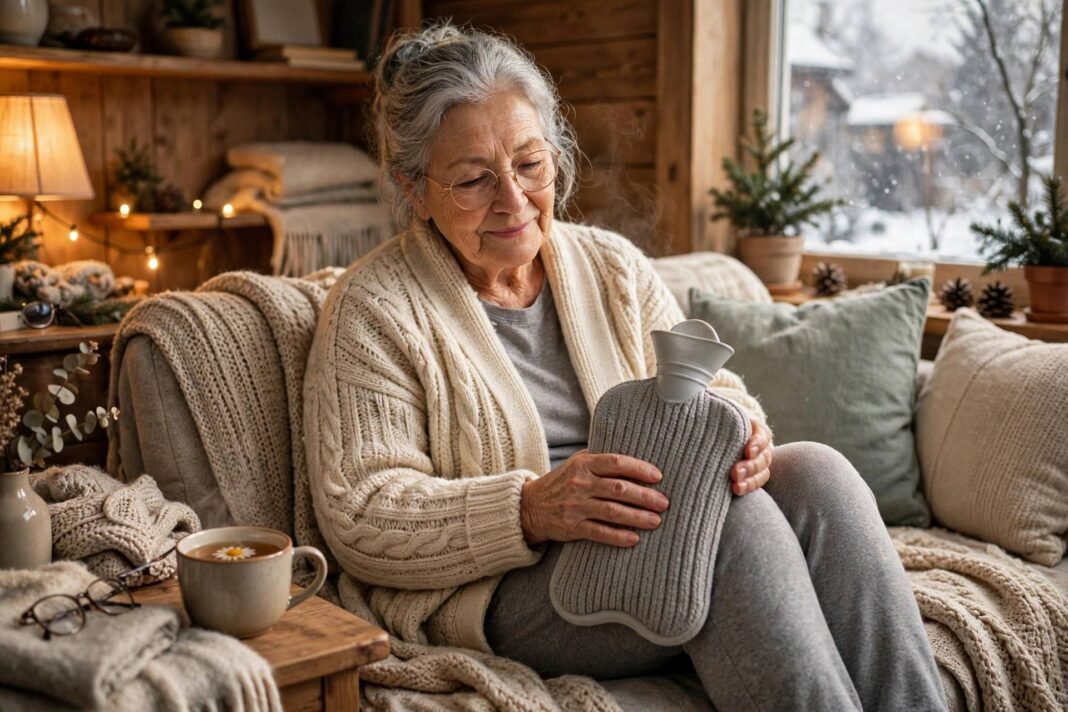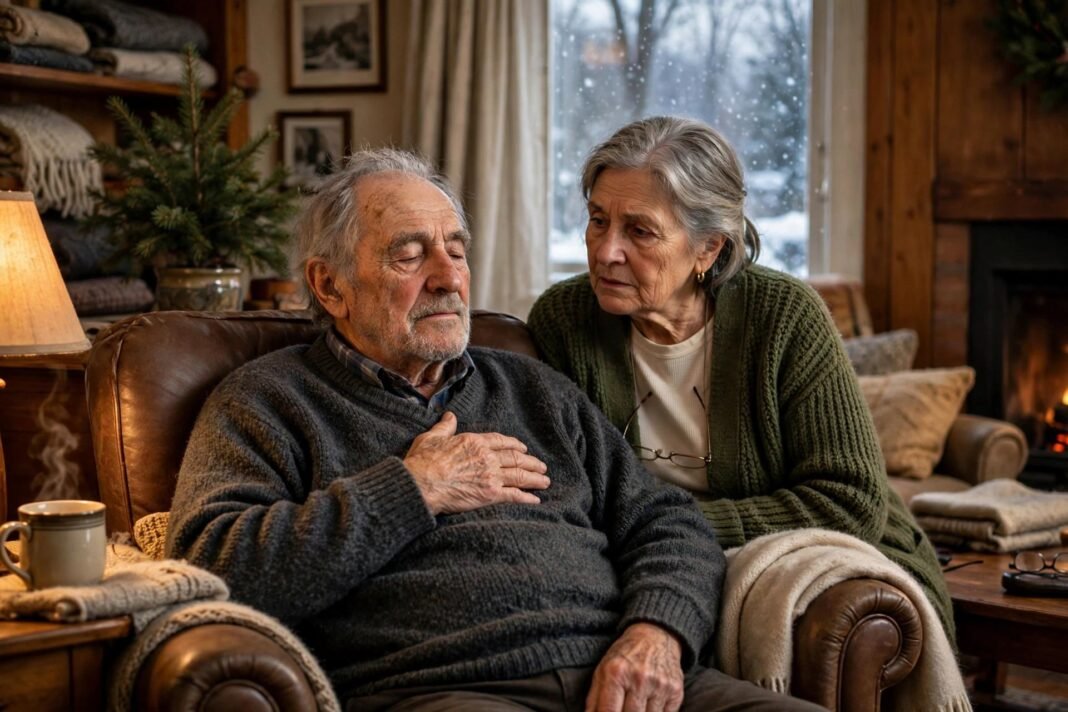
It is a cold morning, and frost still covers the garden path. An older man pulls his coat tight and steps outside to fetch the newspaper. Halfway down the path, he stops and leans on the fence. His chest feels heavy, and his breath comes shorter than usual. He shakes his head and blames the cold wind. However, feelings like these can be heart attack symptoms elderly people should never ignore.
Scenes like this play out quietly every winter. Many older adults feel something strange and explain it away. They blame the weather, their age, or a heavy meal. Meanwhile, precious minutes slip past. In fact, the heart may be asking for help in a soft voice. Learning to hear that voice can save a life.
Why Winter Makes the Heart Work Harder
Cold weather changes how the body works. When you step into the cold, your blood vessels tighten and narrow. As a result, your blood pressure rises. Your heart must then push harder to move blood around your body. For a young heart, this extra work is usually fine. However, an older heart often has less strength to spare.
Winter also brings extra physical strain. Walking against a strong wind takes real effort. Carrying heavy shopping through the cold adds more strain. Even shoveling snow can push the heart very hard. In addition, cold air can make breathing feel harder. Consequently, the heart and lungs both work overtime on frosty days.
Age adds another layer to this picture. Over the years, arteries slowly become stiffer and narrower. Blood then flows through them less easily. Also, many older adults live with high blood pressure or other long-term conditions. These conditions quietly reduce the spare capacity of the heart. Daily habits still matter, though. For example, the foods that help lower blood pressure can support the heart through the season.
Winter illnesses add one more burden. Colds and flu make the body fight harder than usual. A fever, for example, makes the heart beat faster. Breathing also becomes harder when the chest is congested. As a result, an already tired heart faces even more work. That is why a simple winter illness deserves real respect in later life.
Heart Attack Symptoms Elderly People Often Notice First
A heart attack happens when blood flow to part of the heart becomes blocked. The classic sign is discomfort in the center of the chest. This feeling often feels like pressure, squeezing, or heaviness. It may last for several minutes, or it may come and go. However, chest discomfort is only one part of the picture.
The discomfort can also travel to other places. It may spread to one or both arms. Sometimes it reaches the back, neck, jaw, or upper stomach. In addition, breathlessness can appear with or without chest discomfort. A person may also break into a cold sweat. Nausea, light-headedness, and feeling faint are further warning signs.
The Quiet Heart Attack Symptoms Elderly People Miss
In older adults, the signs are often much quieter. There may be no strong chest pain at all. Instead, a person may feel unusually tired for no clear reason. Simple tasks, like climbing stairs, may suddenly feel exhausting. Meanwhile, breathlessness may appear during rest or light activity.
Other quiet signs are easy to mistake for small winter problems. A heavy feeling in the upper stomach can look like indigestion. Feeling sick, dizzy, or generally unwell can look like a winter virus. Also, sleep may become restless, and the body may feel weak. Because these signs seem mild, many people decide to wait. Indeed, waiting is the most dangerous choice of all.
What to Do the Moment You Notice the Signs
If you notice these signs, act at once. Stop what you are doing and sit down. Then call emergency services immediately and describe your symptoms clearly. Do not wait to see whether the feeling passes. Above all, do not drive yourself to the hospital. Instead, let the ambulance team come to you.
While you wait, stay calm and rest. Unlock your front door if you can do so safely. Tell a family member, friend, or neighbor what is happening. If the signs belong to someone you love, stay with them. Your calm presence can comfort them while help travels. Finally, remember that fast action protects the heart muscle. Every minute of delay allows more damage, so speed truly matters.
Families can also prepare before winter arrives. Keep emergency numbers saved where everyone can find them quickly. Make sure the path to the front door stays clear. Also, tell visiting family about any heart condition you live with. A short conversation today can save precious minutes later. In this way, preparation turns panic into calm, quick action.
This article is general information, not medical advice. Please speak to a healthcare professional if you are worried about your health.
A Warmer, Safer Winter Ahead
Knowing the signs gives you real power this winter. You can dress warmly, pace yourself in the cold, and rest when your body asks. You can also care for your heart with calm daily routines. Gentle stress management techniques, for example, can ease the strain that worry places on the heart. Most importantly, you now know which feelings deserve instant action.
So this winter, listen to your body with kindness and respect. A strange feeling on a cold day is not something to push through. It is a message, and messages deserve an answer. Have you ever brushed off an odd feeling and blamed the weather? Share this article with someone you love, and talk together about the signs you will never ignore again.