Sindh Medical and Dental Council Alarms Doctors
Doctors and health experts fear the creation of the Sindh Medical and Dental Council (SMDC) could create serious difficulties for the medical fraternity, as doctors registered in one province may face hurdles in practising in other provinces.
They also fear the move could cause problems for doctors already working abroad or planning careers overseas, as their degrees and professional credentials may not be recognised by international regulatory bodies, according to Dawn.
The Sindh Assembly passed the bill on May 22, 2026, and the governor signed it into law on June 30. The legislation is called the SMDC Act, 2026, and extends to the whole province of Sindh. The council is expected to be set up within 180 days of the law’s enactment, which puts the deadline at December 27, 2026.
Why the Sindh Medical and Dental Council worries doctors
Former Punjab health minister Prof Dr Javed Akram said setting up a separate provincial council was not a good idea, adding that the move would not remain confined to Sindh.
“If the council is established, other provinces will also follow suit. Sooner or later, one province may not allow doctors registered in another province to practise without passing an examination, just as Pakistani doctors have to clear examinations before starting practice in other countries,” he said.
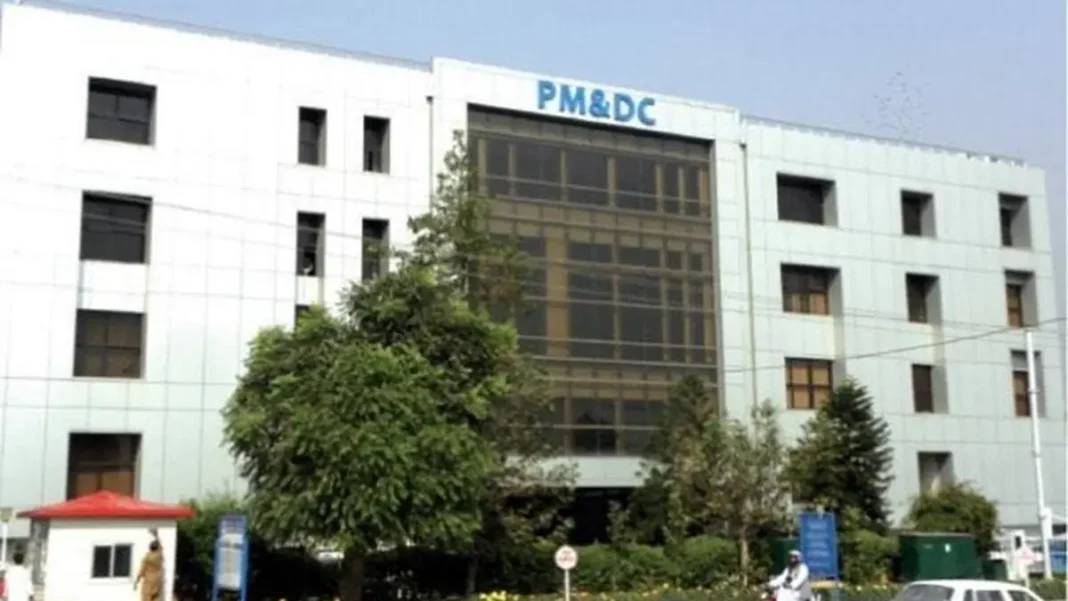
He added that it would be a waste of resources, as running even one regulatory body has become difficult. “Now every province would have its own regulatory body. As a result, the Pakistan Medical and Dental Council (PMDC), which currently regulates doctors across the country, would be reduced to operating within an area of 20 to 25 kilometres around Islamabad,” he said.
Former federal health minister Dr Nadeem Jan said a centralised PMDC was essential for the country, as was the case in several other countries. “I would suggest strengthening the PMDC’s camp offices in the provinces. If the SMDC is established, Khyber Pakhtunkhwa and Balochistan will also follow suit. I believe matters concerning the medical fraternity, drug regulation, foreign funding and other related areas should be dealt with at the federal level. Otherwise, every province will have its own standards, affecting the quality of education and healthcare services,” he said.
Dr Qaiser Sajjad, former secretary general of the Pakistan Medical Association, said the association had already rejected the move. “If it is implemented, one province may not allow doctors registered in another province to practise without passing an examination. Doctors working abroad or intending to go overseas will suffer the most, as their degrees and certificates may not be accepted,” he warned.
Sindh Health Minister Azra Fazal Pechuho and Labour Minister Saeed Ghani could not be reached for comment. Messages were sent to them, but no response had been received until the report was filed.
What a provincial council would change
At present, the PMDC registers doctors for the whole country. A doctor registered in Karachi can practise in Lahore or Peshawar without fresh approval. That national mobility is what the critics say is at risk.
If Sindh sets up its own council and other provinces follow, each province could set its own registration rules, examinations and standards. A doctor moving between provinces might have to clear a fresh examination, and foreign regulators might ask which body’s certificate a Pakistani degree carries.
The concern is not only about paperwork. Different standards for medical education and licensing could widen the gap between provinces in the quality of healthcare. Doctors who trained under one provincial system could find their qualifications questioned in another, at home or abroad.
Pakistan already faces a shortage of doctors. The country is short of doctors in many districts, medical colleges have charged excessive fees, and courts have intervened over the registration of Afghan medical students. Hospitals in Punjab face a shortage of ventilators, while the measles outbreak has added pressure to the health system.
With the council due by December 27, the debate is no longer abstract. The Sindh government must now decide whether to press ahead with a separate council or heed the doctors who warn that the move will split a national profession into provincial parts.
Frequently asked questions
What is the Sindh Medical and Dental Council?
It is a provincial medical council created under the SMDC Act, 2026, passed by the Sindh Assembly on May 22, 2026, and signed into law on June 30. It would regulate doctors within Sindh.
When must the council be set up?
Within 180 days of the law’s enactment, which puts the deadline at December 27, 2026.
Why do doctors oppose it?
They fear doctors registered in one province may not be allowed to practise in another without passing an examination, and that doctors working abroad may find their degrees are not recognised by international regulators.
What happens to the PMDC?
Critics say the Pakistan Medical and Dental Council, which now regulates doctors across the country, would be left operating only around Islamabad if every province sets up its own council.
What do former health ministers suggest?
Prof Dr Javed Akram and Dr Nadeem Jan both favour a centralised PMDC, with stronger provincial camp offices, rather than separate councils in each province.