Iran Army Chief Says Strait of Hormuz Will Stay Closed
Iran’s army chief has said the Strait of Hormuz will remain closed until Tehran’s conditions are met, keeping one of the world’s most important oil routes shut after nine months of war.
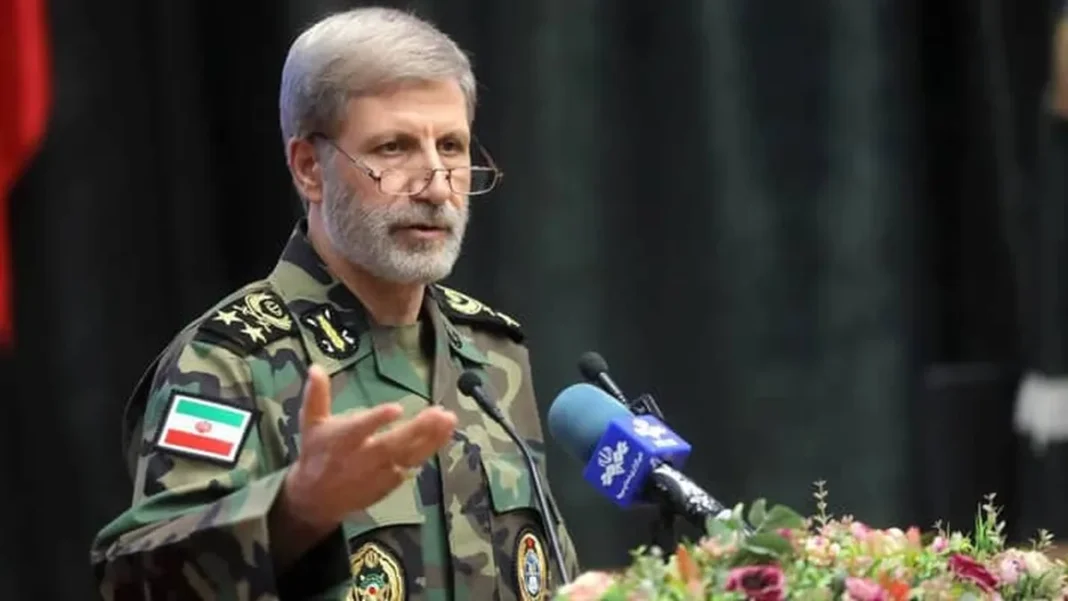
Major General Amir Hatami issued the message on Saturday to mark the Iranian Army’s Strategic Naval Force Day. “By the grace of God, with the support of the Iranian people and under the leadership and command of Imam Khamenei, the Strait of Hormuz will remain closed until Iran’s conditions are fulfilled,” he said.
Hatami said the Iranian Navy was prepared to defend the country’s territorial integrity and confront any enemy that attacked Iran. He added that Iranian naval forces, working with other branches of the armed forces, had shown the enemy’s “weakness and desperation” in the strait and the Sea of Oman.
Tehran has set out seven conditions for reopening the waterway, including a lifting of the US naval blockade, an end to the war and the removal of sanctions. Hatami said accepting those conditions was necessary for normal navigation to return.
The strait has been closed since February 28, when the United States and Israel launched joint strikes on Iranian targets. Iranian forces say they control the waters from the eastern side of the strait to the northern Indian Ocean. The International Maritime Organisation said it had no information about any agreement between Iran and Oman to regulate ship movements through the strait.
Hatami also said the navy would continue its efforts until it had taken revenge for Iranian servicemen killed in the conflict, including those aboard the warships Dena and Jamaran. He said the navy would “severely punish” any aggressor.
The United States reimposed a naval blockade on Iranian ports in July. Earlier this month, Washington announced Task Force Iron Gate to restrict the movement of weapons and sanctioned materials across Iran’s land borders and the Caspian Sea. US Central Command has denied seizing Iranian oil tankers or charging ships a toll to pass through the strait.
What the Strait of Hormuz closure means for Pakistan
The closure matters for Pakistan because most of the country’s imported crude oil arrives by sea through waters near the strait. Any long shutdown keeps pressure on global oil prices, and that pressure reaches Pakistani fuel bills.
Three tankers have already been hit by mines in the strait, and oil prices rose as the attacks disrupted shipping. Three oil tankers were hit in a single incident earlier in the war. Each incident has added to the risk premium on every barrel that passes through the region.
At home, the strain is visible in energy costs. Dawn reported that petrol sells at Rs312 a litre and high-speed diesel at Rs346. The government has also asked the power regulator to approve a flat fuel cost adjustment of Rs3.04 per unit for October to December. A longer closure would make it harder to keep those costs down.
Iran’s own economy is under severe strain too. Its currency has fallen to a record low, near three million rials to the US dollar, as inflation runs at one of its worst rates in decades.
What happens next
There is no sign of a deal to reopen the strait. Qatar’s prime minister discussed de-escalation with Russia’s foreign minister on Saturday, and both sides backed diplomatic efforts to protect freedom of navigation.
Iran’s ambassador to Pakistan told CNN that Tehran was ready for balanced and mutually beneficial talks, but would respond firmly to any new act of aggression. Iran has also warned that it could strike US bases in Europe if attacked again.
For now, the strait stays shut. Shipping must wait for either a deal on Iran’s seven conditions or a change in the military picture, and neither looks close.
Frequently asked questions
Why is the Strait of Hormuz closed?
Iran closed it on February 28 after US and Israeli strikes, and its army chief says it will stay shut until Tehran’s conditions are met.
What are Iran’s conditions for reopening the strait?
Seven conditions, including a lifting of the US naval blockade, an end to the war and the removal of sanctions.
How much oil passes through the Strait of Hormuz?
Before the conflict, about a fifth of global oil and liquefied natural gas shipments passed through it.
How long has the strait been closed?
Since February 28, 2026, about nine months.
How does the closure affect Pakistan?
Pakistan imports most of its crude oil by sea near the strait, so the shutdown keeps pressure on oil prices and fuel bills at home.