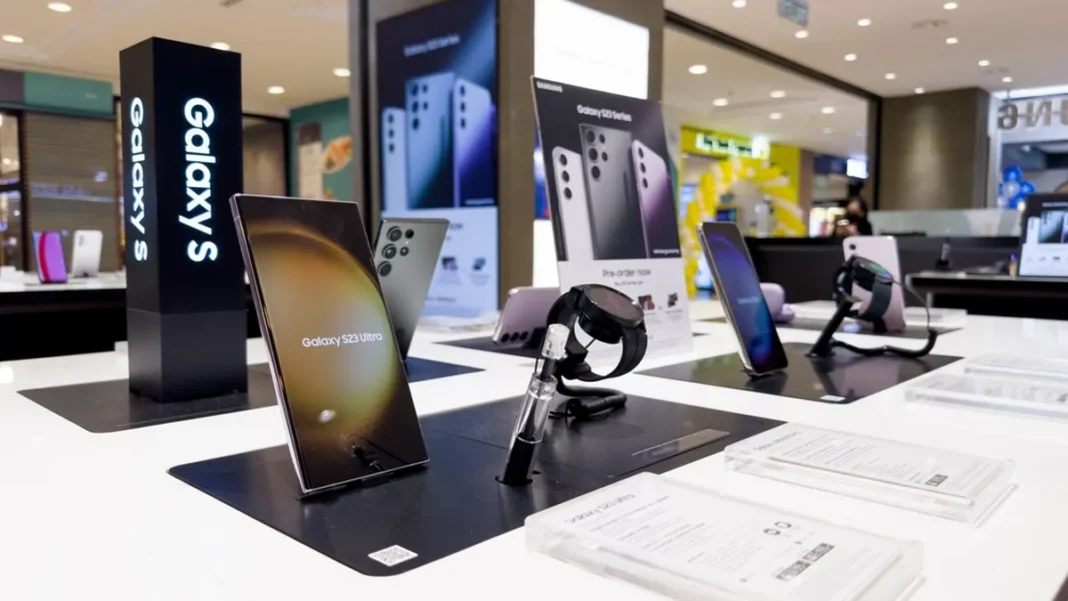
Samsung returned to the top of the global smartphone market in the second quarter of 2026, according to Counterpoint Research. Yet strong sales are not translating into profit. Now the company is preparing to cut production sharply.
According to Money Today, citing industry sources, Samsung has asked suppliers to prepare for a 20 to 30 per cent production cut in the fourth quarter of 2026, GizmoChina reported. The year’s expected output of roughly 270 million units could fall to around 200 million.
Samsung Smartphone Production Cut 2026: Top of the Market, Short on Profit
Leading the market usually means leading in earnings. For Samsung’s mobile business, that link has broken. Shipments are healthy, but the money each phone brings in is shrinking.
The problem is cost, not demand. Components have become far more expensive, and the mobile division is absorbing the pain. As a result, market leadership now comes with thin margins.
This is an unusual position for the world’s largest phone maker. It sells more phones than anyone else, yet its mobile business is struggling to stay profitable.
Memory Costs Eat the Margins
The main culprit is memory pricing. Samsung reportedly paid about $145 for a 12GB LPDDR5X chip this year. That is roughly 175 per cent more than a year earlier.
DRAM prices may climb another 20 per cent, with some components reaching about $180 — the same cost crunch behind the global PC market slump. For a company that ships hundreds of millions of phones, every dollar per chip adds up to an enormous bill.
Memory goes into every smartphone Samsung makes. When its price nearly triples, there is no easy way to protect margins. The company either raises prices or accepts lower profit. At the moment, it is being forced toward both.
Price Rises Only Go So Far
Samsung has already raised prices. The Galaxy S26 and the Z8 foldables cost more than their predecessors. Some flagships went up by $100.
However, higher prices have limits. Push too far and buyers delay upgrades or switch to cheaper rivals. The mobile business is reportedly still struggling despite the increases.
The strain showed in the numbers. Its first quarterly loss came in the second quarter of 2026. The mobile unit accounted for about $476 million of the Device eXperience division’s roughly $544 million loss.
In other words, raising prices helped, but not enough. Memory costs rose faster than Samsung could pass on to customers.
Chips Boom While Phones Strain
Meanwhile, the other half of Samsung is thriving. The semiconductor business, known as Device Solutions, is posting record profits on the back of the same memory price surge that hurts phones.
Operating profit reached KRW 53.7 trillion in the first quarter of 2026. It jumped to KRW 89.2 trillion in the second quarter. Analysts say the third quarter could cross KRW 100 trillion.
This creates a strange split inside one company. The division that sells memory is booming because prices are high. The division that buys memory for phones is suffering for the same reason.
For now, the chip windfall more than covers the mobile losses. But the planned production cut shows Samsung is not willing to build phones at any cost. Fewer units, made more carefully, may be the strategy until component prices settle.