Every few months the same question pops up on forms, in visa interviews and in Google searches: is my nationality “Pakistan” or “Pakistani”? The short version — both are right, and they mean the same thing. But behind that simple answer sits the whole architecture of Pakistan nationality: the 1951 Act, the CNIC, and the difference between nationality and citizenship that trips people up.
Quick answer: “Pakistan nationality” means citizenship of Pakistan. On forms, write “Pakistani” as your nationality — it is the correct adjective form and is accepted everywhere. It is governed by the Pakistan Citizenship Act 1951, and it is proved by your CNIC, NICOP or Pakistani passport.
In this guide
The Noun vs the Adjective: Pakistan or Pakistani?
The confusion is purely grammatical. Pakistan is the noun — the name of the country. Pakistani is the adjective — the word that describes a person belonging to it. When a form asks for your nationality, it is asking “which nation’s people do you belong to?” — and the natural English answer is the adjective: Pakistani.
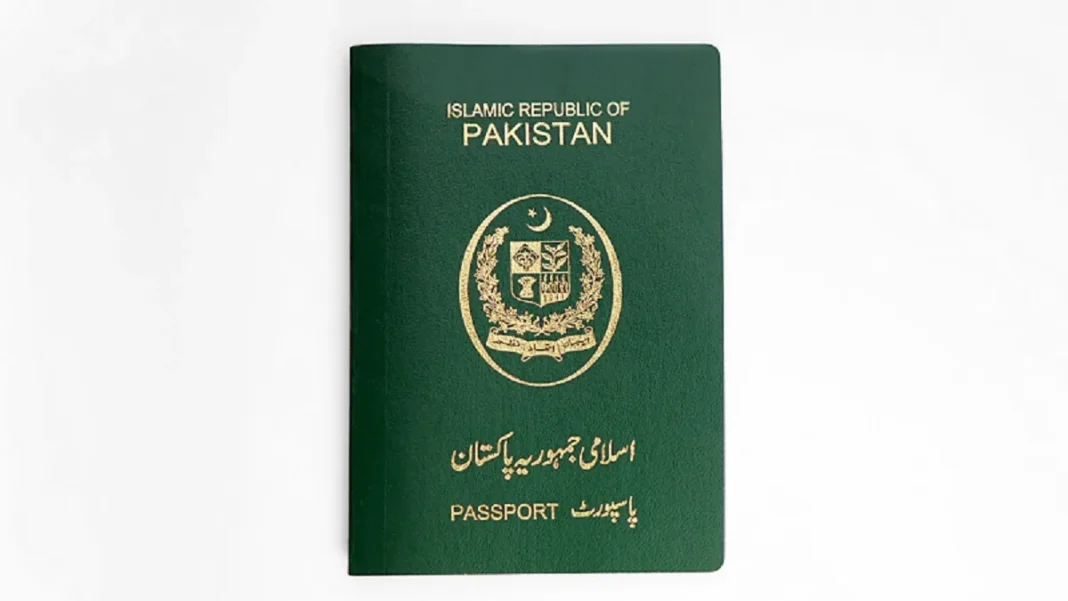
In practice, both pass everywhere. Immigration officers, NADRA staff, universities and employers accept “Pakistan” and “Pakistani” interchangeably. Pakistani passports state nationality as “PAKISTANI”. If you want one rule to remember: nationality = Pakistani, country = Pakistan. This matches how the Citizenship Act itself uses the term — a “citizen of Pakistan” is described as Pakistani.
Nationality vs Citizenship — the Real Difference
In international law the two words point at slightly different things. Nationality is your membership of a state — the legal bond between you and Pakistan. Citizenship is the package of rights that membership gives you: the right to vote, to hold a passport, to live and work in the country, to own property.
For most Pakistanis the distinction never matters — one implies the other. It becomes visible only at the edges: dual nationals, for example, hold Pakistani nationality alongside another country’s, with nearly the full set of citizen rights minus a few restricted offices. And your 13-digit CNIC number is the everyday proof of both — nationality and citizenship in one card.
What to Write on Official Forms
A practical cheat sheet, since this is where the question actually bites:
- “Nationality” → write Pakistani.
- “Citizenship” → write Pakistan.
- “Country of nationality” → write Pakistan.
- “Nationality at birth” vs “present nationality” → both Pakistani, unless you naturalised elsewhere or hold dual nationality.
- Dual nationals → list both, e.g. “Pakistani / British”. Pakistan permits dual nationality with 22 treaty countries, including the UK, USA, Canada and Australia.
Getting this wrong never invalidates a form — officials read both the same way. But writing it right the first time saves you the follow-up question.
Frequently asked questions
Is my nationality Pakistan or Pakistani?
Pakistani. “Pakistan” is the country; “Pakistani” is the nationality. Both are understood, but “Pakistani” is the technically correct answer on forms.
What is the nationality of a person born in Pakistan?
Pakistani. Under the Pakistan Citizenship Act 1951, anyone born in Pakistan after 13 April 1951 is a citizen by birth (with narrow exceptions for diplomats’ children and enemy aliens).
Does nationality mean the same as citizenship in Pakistan?
In everyday and official Pakistani usage, yes — the terms are interchangeable. Strictly, nationality is membership of the state and citizenship is the rights it carries, but no Pakistani form or law treats them as different things.
Related Guides
- Pakistan Nationality: The Complete Guide — citizenship, CNIC and dual nationality in one place
- Pakistan Citizenship: How the 1951 Act Decides Who Is a Citizen
- How to Get Pakistani Nationality: 5 Legal Routes
- CNIC Number Meaning: Decode Your 13-Digit NADRA Number