“CM of Pakistan” is one of the most-searched political queries in the country — and it rests on a misunderstanding. There is no chief minister of Pakistan. The country’s head of government is the Prime Minister; chief ministers lead the four provinces. Here is who holds each CM office right now, what the job covers, and how it differs from the prime minister’s.
Quick answer: Pakistan has no “CM of Pakistan” — the title belongs to the provinces. The four current chief ministers are Maryam Nawaz (Punjab, PML-N), Murad Ali Shah (Sindh, PPP), Sohail Afridi (Khyber Pakhtunkhwa, PTI) and Sarfraz Bugti (Balochistan, PPP). The country’s chief executive is Prime Minister Shehbaz Sharif.
In this guide: Why there is no CM of Pakistan · The four current chief ministers · What a chief minister does · PM vs CM: the difference · FAQs
Why There Is No “CM of Pakistan”
Pakistan’s 1973 Constitution creates two tiers of elected government: the federation, headed by the Prime Minister, and the four provinces, each headed by a chief minister. Article 130 of the Constitution provides for the provincial chief executive, while Articles 90–91 vest federal executive authority in the Prime Minister.
So when searchers type “CM of Pakistan”, they are usually asking one of three things: who is the prime minister (Shehbaz Sharif), who is the chief minister of their own province, or Shehbaz Sharif’s own CM record — he was Punjab’s chief minister three times before becoming PM.
The Four Current Chief Ministers
Maryam Nawaz — Punjab
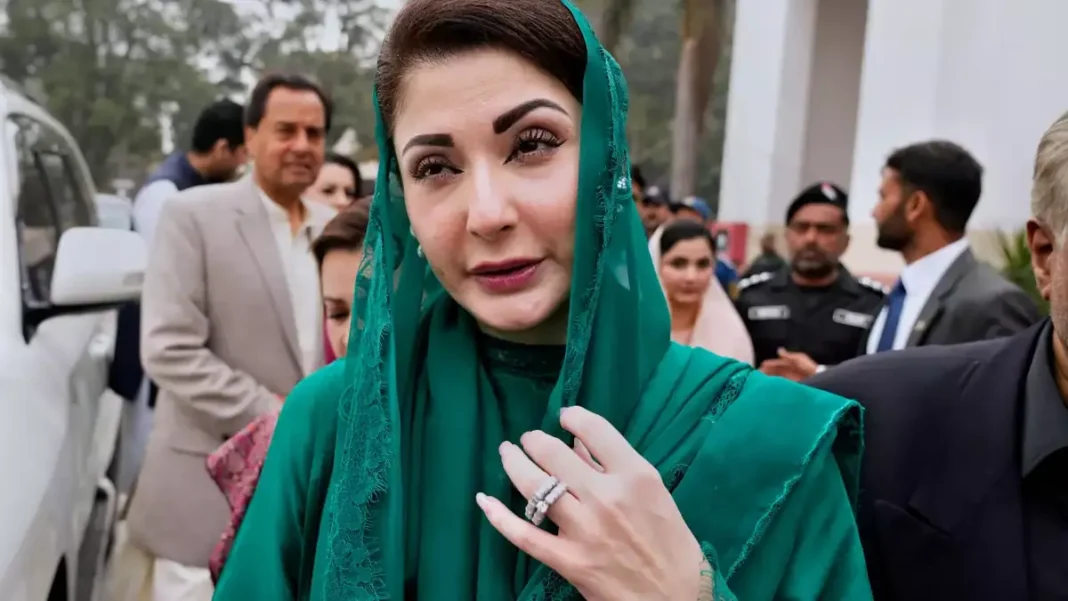
Maryam Nawaz took oath as Chief Minister of Punjab on 26 February 2024, the first woman to lead a Pakistani province. Daughter of Nawaz Sharif and niece of Shehbaz Sharif, she governs the country’s largest province — home to over half of Pakistan’s population — from Lahore. Her administration’s early signature was a province-wide school and health outreach programme.
Murad Ali Shah — Sindh
Murad Ali Shah of the PPP began his third term as Sindh’s chief minister in early 2024. An engineer by training, he has governed Sindh longer than anyone currently in office, steering Karachi’s development budgets and the province’s response to urban flooding.
Sohail Afridi — Khyber Pakhtunkhwa
Sohail Afridi of the PTI became KP’s chief minister in October 2025, succeeding Ali Amin Gandapur. He leads the only province currently governed by the opposition PTI — a constant source of friction with the federal government in Islamabad.
Sarfraz Bugti — Balochistan
Sarfraz Bugti of the PPP took office as Balochistan’s chief minister in March 2024. He governs Pakistan’s largest but least populous province amid a persistent security challenge, and has ruled out negotiations with armed groups.
What a Chief Minister Actually Does
A chief minister is the chief executive of their province: they appoint the provincial cabinet, run the provincial bureaucracy, propose the provincial budget to the assembly, and control devolved subjects — after the 18th Amendment (2010), that means education, health, agriculture and much of the development spending that touches daily life.
This is why the office matters so much politically. As Shehbaz Sharif’s Punjab record shows, a chief minister with a long tenure can reshape a province: metro lines, school programmes and road networks are provincial projects first. Punjab’s chief minister is often called the country’s second most powerful elected office after the prime minister.
Prime Minister vs Chief Minister: The Difference
The Prime Minister (Shehbaz Sharif) handles national subjects: foreign policy, defence, the federal budget, currency and interstate commerce. A chief minister handles provincial subjects within their province. The two meet formally in bodies like the National Economic Council, which the PM chairs and all four CMs sit on.
Confusion between the offices is common — some searchers even look for a “Prime Minister of Punjab”, an office that does not exist. Remember the simple rule: PM = Pakistan, CM = province. For the full current roster of provincial governments, see our guide to Pakistan’s current chief ministers and how provincial cabinets work.
Frequently Asked Questions
Who is the CM of Pakistan in 2026?
There is no CM of Pakistan. The country’s head of government is Prime Minister Shehbaz Sharif; the four provincial chief ministers are Maryam Nawaz (Punjab), Murad Ali Shah (Sindh), Sohail Afridi (KP) and Sarfraz Bugti (Balochistan).
Was Shehbaz Sharif ever a chief minister?
Yes — of Punjab, three times (1997–99, 2008–13, 2013–18), the longest anyone has held the office. He is now the country’s prime minister, serving his second term since March 2024.
Who elects a chief minister?
The provincial assembly. After a provincial election, the party or coalition with a majority nominates its leader, who is elected by the assembly’s members — the same way the National Assembly elects the prime minister.
Which province’s CM is the most powerful?
Conventionally Punjab’s: the province holds more than half the National Assembly’s general seats and over half the country’s population, so its chief minister commands the largest budget and bureaucracy. The office is currently held by Maryam Nawaz.