


What Is the Meaning of Pakistan? The “Land of the Pure” Explained
Ask a Pakistani child what their country’s name means and you’ll hear the answer instantly: “Land of the Pure.” But behind that simple phrase is a remarkable story — a name invented in 1933 by a Cambridge law student, designed to work simultaneously as a Persian phrase and as an acronym of five Muslim homelands. Here is the full, verified account.
Quick answer: Pakistan means “Land of the Pure” — from pak (پاک, “pure”) and -stan (ستان, “land”). The name was coined on 28 January 1933 by Choudhry Rahmat Ali in his pamphlet Now or Never; Are We to Live or Perish Forever?, originally spelled “Pakstan” as an acronym of Punjab, Afghania, Kashmir, Sindh and Baluchistan.
In this guide
The two-part breakdown
Pakistan is a compound of two Persian-Urdu words. Pak (پاک) means “pure”, “clean” or “holy” — it is the same root as pak-daman (chaste) and appears in everyday Urdu. -stan (ستان) is the Persian suffix for “land” or “place of”, shared with Afghanistan, Tajikistan, Turkmenistan, Uzbekistan, Kyrgyzstan and Kazakhstan. Put together — “Land of the Pure” — the name expressed the aspiration of a homeland for Muslims, free from the domination of others.
The acronym behind the name
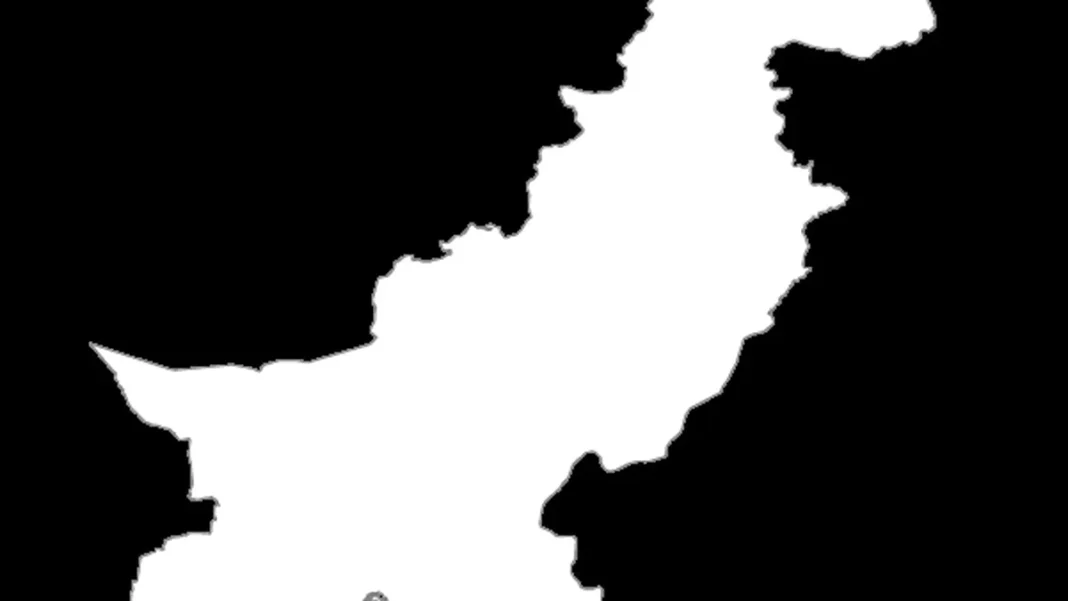
Rahmat Ali’s brilliance was that the name also read as an acronym of the proposed state’s constituent homelands: Punjab, Afghania (the Pathan areas of the North-West Frontier Province), Kashmir, Sindh — and the -stan from Baluchistan. The original 1933 spelling was “Pakstan”; the “i” was added within months to ease English pronunciation, on the model of “Afghan-i-stan”. By the end of 1933, “Pakistan” was already common political vocabulary.
How the name was coined
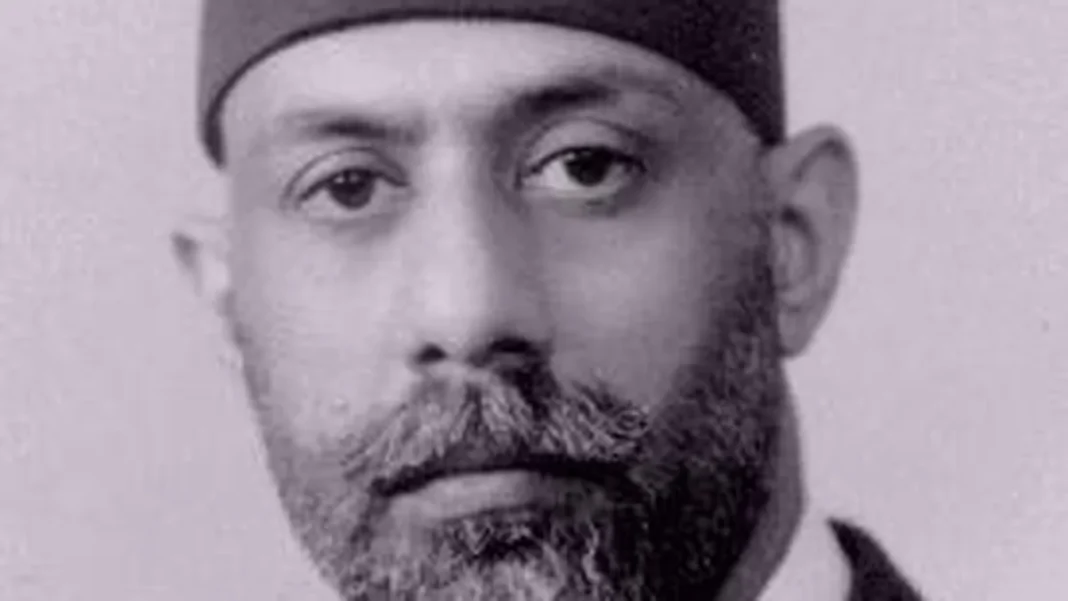
Choudhry Rahmat Ali (1897–1951) was a law student at Cambridge University. In January 1933, returning from a Round Table Conference, the word — as he later wrote — “flashed on the screen of his mind”. On 28 January he published Now or Never; Are We to Live or Perish Forever?, demanding a separate “Pakstan” for the Muslims of India’s five northern units. It was the first time the word appeared in print anywhere. Seven years later the Lahore Resolution (23 March 1940) adopted the demand, and on 14 August 1947 the new state took the name Rahmat Ali had invented.
The name today
Today the name is used in two forms. The short name — Pakistan in English, پاکستان in Urdu — and the official constitutional name: Islamic Republic of Pakistan, in Urdu اسلامی جمہوریہ پاکستان (Islami Jamhuriya-e-Pakistan). The slogan پاکستان زندہ باد (“Pakistan Zindabad” — “Long live Pakistan”) and the national anthem’s opening address to the “Pak sarzameen” (pure land) both draw directly on the name’s meaning. For the complete story — etymology, timeline, myths and the Urdu script — see our complete guide to the meaning of Pakistan.
FAQs
What is the meaning of Pakistan?
Pakistan means “Land of the Pure” — from pak (پاک, “pure”) and -stan (ستان, “land”). The name was coined on 28 January 1933 by Choudhry Rahmat Ali in his pamphlet Now or Never; Are We to Live or Perish Forever?
Who coined the name Pakistan?
Choudhry Rahmat Ali (1897–1951), a Cambridge law student, coined “Pakstan” in 1933. He intended it both as the Persian phrase “Land of the Pure” and as an acronym of Punjab, Afghania, Kashmir, Sindh and Baluchistan.
Why is Pakistan called the “Land of the Pure”?
Because pak means “pure” and -stan means “land” in Persian and Urdu. The name expressed the vision of a homeland where Muslims could live according to their faith and culture — “pure” in the sense of spiritually and culturally distinct.
What is the meaning of Pakistan in Urdu?
In Urdu, پاکستان means سرزمینِ پاک (sarzameen-e-pak), “the pure land”. It is written right to left and pronounced “Paa-kis-taan”.
 + stan (land). Coined 28 January 1933 by Choudhry Rahmat Ali. Full story here.)