


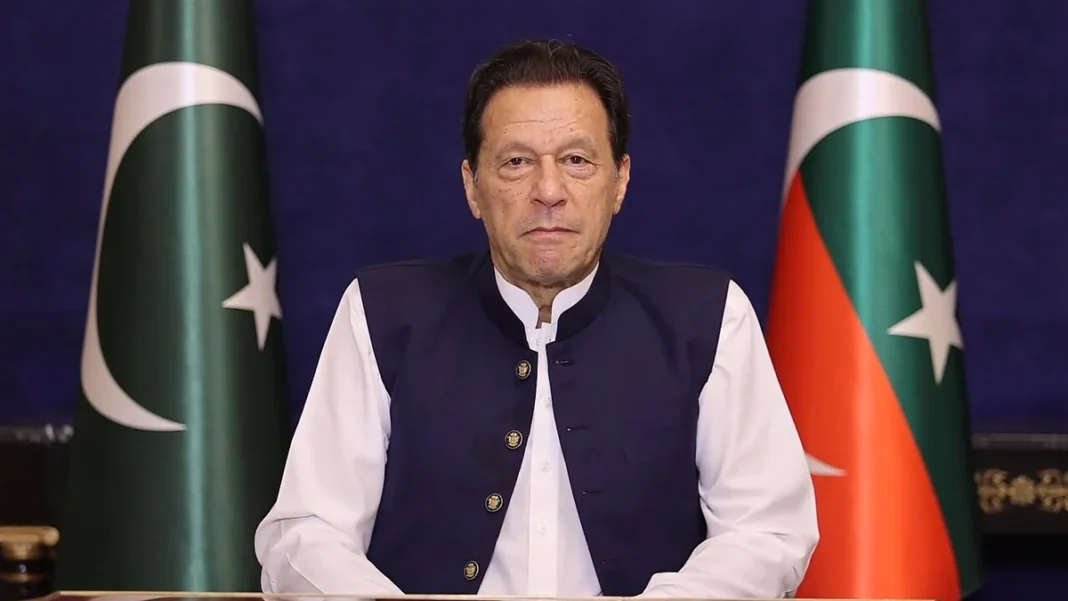
For three years and eight months, Pakistan was run by a government unlike any before it — led by a cricket hero, promising a welfare state, and ending in a constitutional crisis. The Imran Khan government (18 August 2018 – 10 April 2022) remains the most debated tenure in recent Pakistani history. This guide walks through what it did, what it failed at, and how history is likely to judge it.
Quick answer: Imran Khan’s government ran Pakistan from 18 August 2018 to 10 April 2022. It is remembered for the Ehsaas welfare programme, the Sehat Card health coverage, the Billion Tree Tsunami and a “smart lockdown” COVID strategy — and criticised for inflation, IMF dependence and a bitter falling-out with the establishment that ended in a no-confidence ouster.
In this guide
The First 100 Days: Austerity and Ambition
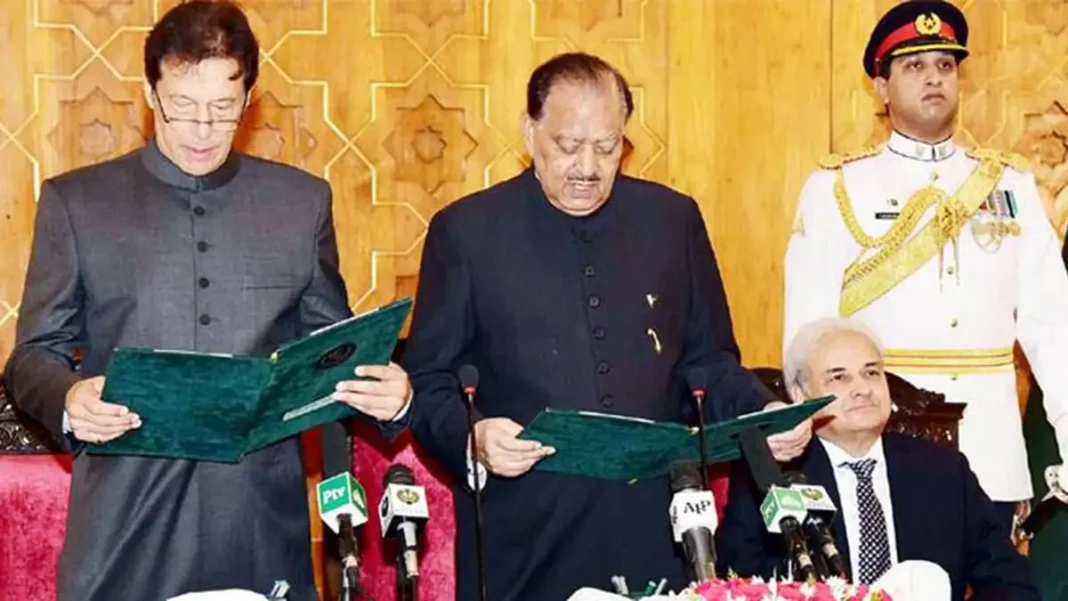
Khan entered office performing humility: he declined the sprawling Prime Minister House, opting for the smaller Military Secretary’s residence; auctioned government vehicles; and promised a “Naya Pakistan” modelled on the welfare state of Madinah. The symbolism landed — but the in-tray was brutal: a balance-of-payments crisis with reserves covering barely two months of imports. Within weeks the government was negotiating the IMF programme it had campaigned against, alongside emergency support from Saudi Arabia, the UAE and China.
Welfare: Ehsaas and the Sehat Card
The government’s most durable legacy is social protection. The Ehsaas Programme (2019) became Pakistan’s largest-ever welfare umbrella — cash transfers, scholarships, interest-free loans — and its Ehsaas Emergency Cash rollout during COVID reached over 12 million families, one of the fastest in South Asia. The Sehat Sahulat (Sehat Card) programme extended free hospitalisation — up to Rs 1 million per family per year — to tens of millions, first in Khyber Pakhtunkhwa and then Punjab. Whatever else is debated about the PTI years, these two programmes changed what poor Pakistanis expect from the state.
The Economy: IMF and Inflation
The permanent vulnerability was the economy. The IMF programme demanded the classic medicine — a market-determined rupee, energy price hikes, tax broadening — and the side effects were political poison: double-digit inflation, a sliding rupee and shrinking growth by 2021–22. Khan cycled through finance ministers (Asad Umar, then Hafeez Shaikh, then Shaukat Tarin) without settling the politics of stabilisation. By early 2022, inflation had become the opposition’s sharpest weapon — and the establishment’s patience, by most accounts, was thinning.
COVID-19: The Smart Lockdown Gamble
The pandemic could have broken the government; instead it became its best-reviewed chapter. Rejecting a full national lockdown as unaffordable for daily wagers, Khan opted for “smart lockdowns” — sealing hotspots while keeping the economy breathing. The WHO’s country head publicly praised the approach, and Pakistan’s death toll stayed far below the worst projections. Combined with Ehsaas Emergency Cash, the response is now cited in development literature as a case study in low-cost crisis management.
How It Ended
The end came fast. Defections hollowed the coalition through early 2022; the opposition filed its no-confidence motion on 8 March; the 3 April attempt to block the vote was struck down by the Supreme Court; and on 10 April 2022, 174 MNAs voted Khan out — the first successful no-confidence removal of a Pakistani prime minister. Shehbaz Sharif took over the next day. For the man at the centre of it all, read our main guide: Imran Khan: Pakistan’s Prime Minister (2018–2022) — and for the day it all began: When Imran Khan Became Prime Minister.
Frequently Asked Questions
How long was Imran Khan’s government in power?
3 years and 8 months — from 18 August 2018 to 10 April 2022, when a no-confidence vote removed him.
What was the Ehsaas Programme?
Pakistan’s largest social safety net, launched in 2019 — cash transfers, scholarships and interest-free loans for the poorest, with an emergency-cash arm that reached 12 million+ families during COVID.
Why did Imran Khan’s government fall?
A no-confidence motion passed on 10 April 2022 with 174 votes, after coalition allies defected and PTI dissidents rebelled. Khan alleged a foreign conspiracy; the opposition cited inflation and misgovernance.
Who replaced Imran Khan as prime minister?
Shehbaz Sharif, elected by the National Assembly on 11 April 2022 at the head of a PDM coalition government.
Related Guides
- Imran Khan: Pakistan’s Prime Minister (2018–2022) — the full story, from World Cup to Adiala Jail
- When Imran Khan Became Prime Minister — 18 August 2018, step by step
- Prime Minister in Urdu — what وزیر اعظم means and how to say it
- Shehbaz Sharif — the man who replaced him in April 2022
: Ehsaas, Sehat Card, the economy, COVID strategy — and how it ended on 10 April 2022.)