


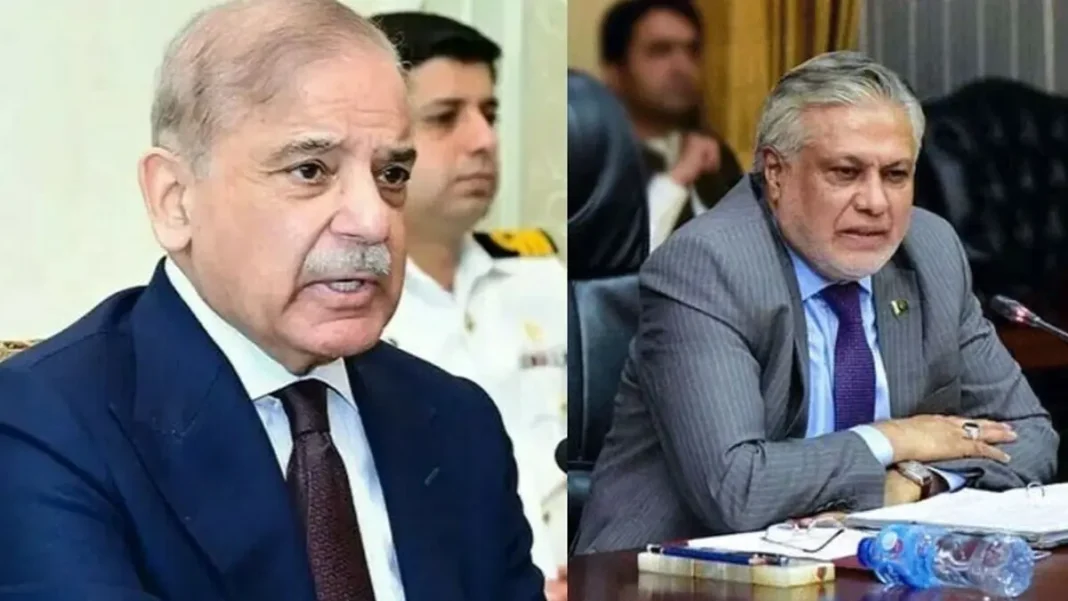
Before he was Pakistan’s foreign minister, Ishaq Dar was its most frequent finance minister — four stints at the treasury across 25 years (1998–99, 2008, 2013–17, 2022–23). This is the record of “Dar-onomics”: the policies, the IMF deals, the strong-rupee doctrine, and the controversies.
Quick answer: Ishaq Dar served as Pakistan’s finance minister four times — 1998–99, briefly in 2008, 2013–17 (his defining tenure) and 2022–23. His doctrine: a stable-to-strong rupee, IMF engagement, and market borrowing. The current finance minister is Muhammad Aurangzeb.
In this guide: The four stints · The Dar doctrine · The verdict · FAQs
The Four Stints
1998–99: Sanctions and survival
Dar’s first tenure came under Nawaz Sharif right after Pakistan’s 1998 nuclear tests triggered international sanctions. His job was crisis management: keeping the economy afloat under sanctions with limited reserves. The October 1999 coup cut the stint short.
2008: The brief return
A short stint in the PPP-led coalition government — weeks rather than months — before the PML-N left the coalition. More footnote than chapter.
2013–17: The defining tenure
This is the Dar era that defined his reputation. As finance minister in Nawaz Sharif’s third government, he: completed an IMF programme, stabilised the rupee (the famous/infamous “Dar peg” — keeping the rupee artificially strong around 100–105 to the dollar), issued Eurobonds and Sukuks, and oversaw GDP growth above 5%. Supporters credit him with macroeconomic stability; critics argue the strong rupee hollowed out exports and burned reserves — the bill came due after his 2017 exit.
2022–23: The comeback
Returning from London exile in September 2022, Dar took the treasury in Shehbaz Sharif’s first government and again pursued rupee stability while negotiating the IMF’s ninth review. The tenure ended with the government’s term in August 2023.
The Dar Doctrine
Three consistent beliefs run through all four stints: (1) the rupee’s “real” value is stronger than markets say, and the state should defend it; (2) IMF programmes are tools to be managed, not masters to obey; (3) market borrowing (bonds, Sukuks) can fund development. Economists still debate the doctrine — but no Pakistani policymaker has applied a philosophy so consistently for so long.
From Treasury to Foreign Office
In March 2024 Dar left the treasury — now held by banker Muhammad Aurangzeb — for the Foreign Office. The move made sense: his IMF and Gulf relationships are diplomatic assets, and economic diplomacy is now Pakistan’s foreign policy core. His finance years explain his foreign years. Full biography → · his FM profile →
Frequently Asked Questions
How many times was Ishaq Dar finance minister?
Four times: 1998–99, 2008, 2013–17 and 2022–23 — more than anyone in Pakistan’s history.
Who is the finance minister of Pakistan now?
Muhammad Aurangzeb — a former HBL president and JPMorgan banker, appointed in March 2024.
What is “Dar-onomics”?
Dar’s economic doctrine: a strong, managed rupee, active IMF engagement, and market borrowing to fund growth — most fully applied in 2013–17.
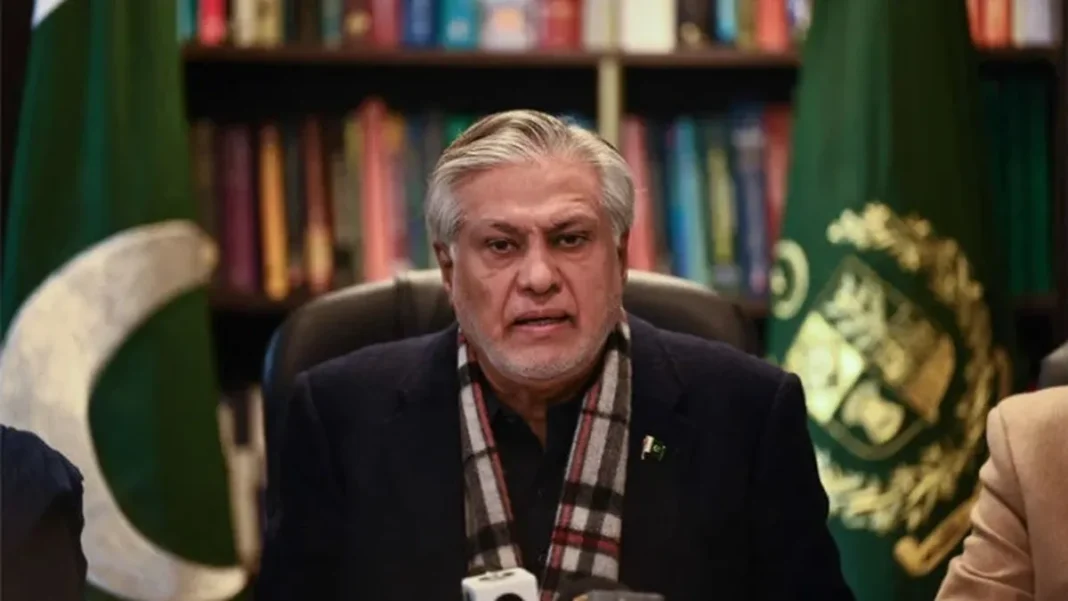
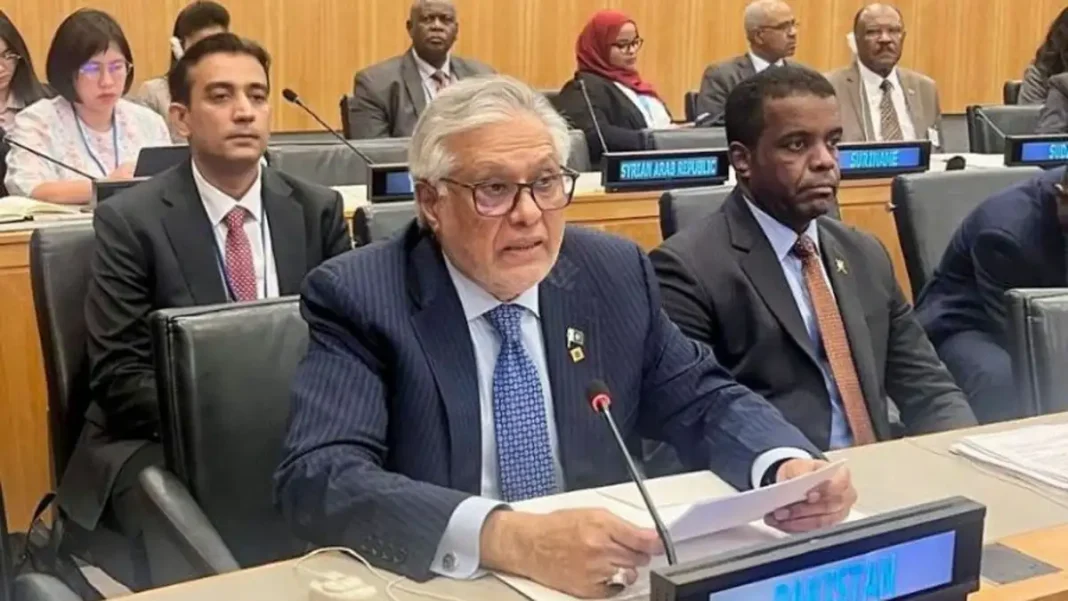
. The record of 'Dar-onomics' — policies and verdict.)