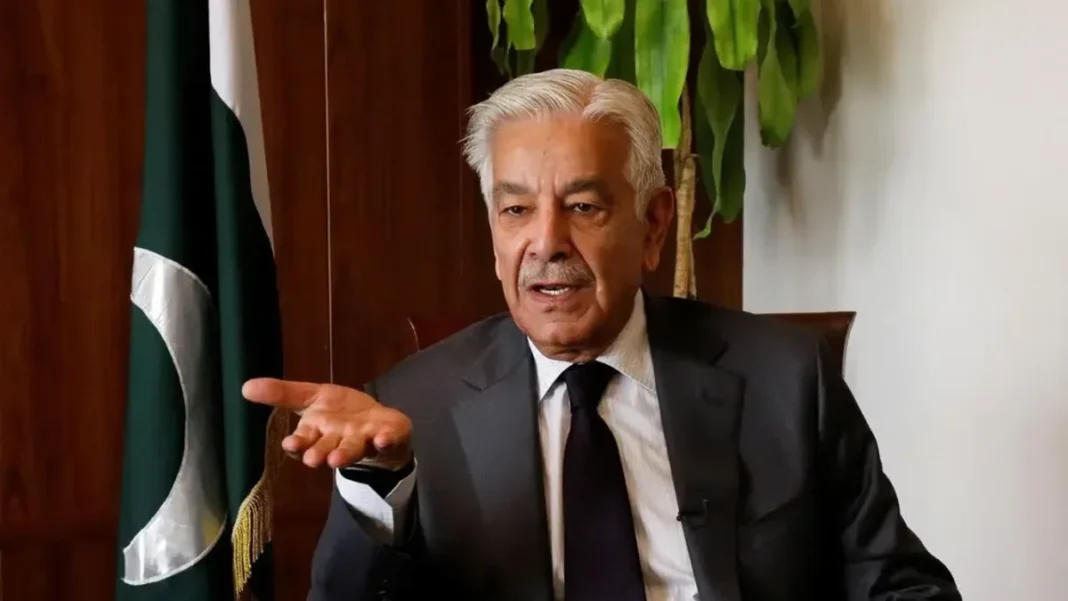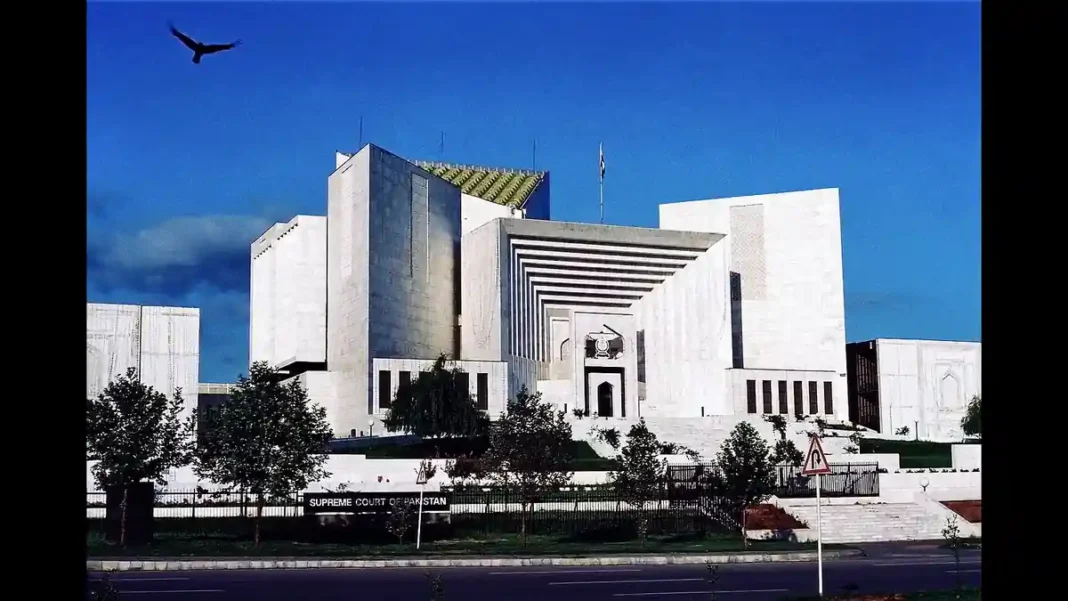
Pakistan’s political crisis didn’t start this month — it has been building since April 2022. This evergreen hub lays out the full timeline from Imran Khan’s no-confidence removal to the October 2026 PTI long march, explains the causes both sides cite, and keeps the “what’s happening now” section current.
Quick answer: The political crisis in Pakistan began with Imran Khan’s removal by no-confidence vote in April 2022, ran through the May 2023 riots, disputed February 2024 elections, and the 26th and 27th Amendments. As of October 2026, PTI’s long march from KP toward Islamabad — led by CM Sohail Afridi, demanding Khan’s release — has collapsed talks with Shehbaz Sharif’s government.
Full Timeline of the Crisis
April 2022 — the no-confidence vote: Imran Khan becomes the first Pakistani PM removed by parliamentary no-confidence motion; Shehbaz Sharif takes office leading a PDM coalition. November 2022 — the Wazirabad attack: Khan survives an assassination attempt during his first long march. May 9, 2023 — the riots: Khan’s arrest sparks nationwide violence including attacks on military sites; the crackdown that follows jails thousands. August 2023: Khan is jailed, where he remains. February 8, 2024 — the elections: PTI-backed independents win the largest bloc but are kept from power; PML-N + PPP form the government. October 2024: the 26th Amendment reworks judicial appointments. November 2025: the 27th Amendment creates the Federal Constitutional Court. May 2025: Army chief Asim Munir is promoted to Field Marshal. October 4, 2026: PTI launches its long march from KP. See the overview in our political crisis in Pakistan pillar.
What Caused the Crisis?
Four interlocking causes. One: the legitimacy dispute — PTI rejects the 2024 election results; the government defends them. Two: the civil-military imbalance — every civilian clash keeps acquiring a military dimension. Three: judicial politicisation — the 26th and 27th Amendments, called reform by the government and court-packing by the opposition. Four: economic fragility — an IMF stabilisation programme that makes the government dread disruption and gives the opposition its grievance. For profiles, see Shehbaz Sharif and Imran Khan.
What’s Happening Now (October 2026)
The long march that began October 4 is the sharp end of the crisis. Led by KP Chief Minister Sohail Afridi, the convoy has moved through Peshawar, Charsadda and Mardan (October 10), with Swabi — where Afridi promises the “final plan” — set for October 11. (Mardan update · Day 6) The government’s line, delivered by PM Shehbaz Sharif on October 6–7: end the march, then talk. PTI dismissed the offer; Interior Minister Mohsin Naqvi has put emergency or governor’s rule in KP on the table, while JUI-F’s Fazlur Rehman mediates against it.
What Happens Next?
Three forks. Negotiation: backchannel talks yield a formula — march paused, dialogue on Khan’s cases and electoral reform. Escalation: KP emergency/governor’s rule triggers a constitutional crisis atop the political one. Stalemate: the march fades, the crisis grinds on — Pakistan’s historical default. Our political situation explainer profiles every player in these scenarios.
Frequently Asked Questions
When did Pakistan’s political crisis start?
April 2022, with Imran Khan’s removal through a no-confidence vote — though its roots run deeper. It escalated through the May 2023 riots, the disputed 2024 elections and the 26th/27th Amendments.
What is the October 2026 long march about?
PTI is marching from Khyber Pakhtunkhwa toward Islamabad demanding the release of jailed founder Imran Khan. It began October 4, 2026, led by KP Chief Minister Sohail Afridi, after government-opposition talks collapsed.
Will there be governor’s rule in KP?
It is under active consideration by the federal government as a response to the march and the KP government’s defiance. JUI-F chief Fazlur Rehman and others warn it would deepen the crisis. No decision had been announced as of 11 October 2026.
How can the crisis be resolved?
Analysts generally agree only a negotiated political settlement — addressing Khan’s legal cases, electoral disputes and civil-military rules of the game — can end it. Whether the current backchannels produce one is the question of the moment.