Causes of Inflation in Pakistan: Fuel, Rupee, Food & Power Tariffs
Why does everything keep getting more expensive in Pakistan? Four forces do most of the damage — fuel prices, the rupee, food supply shocks, and electricity tariffs — amplified by fiscal policy and global events. This guide breaks each one down with the latest data.
Quick answer: Pakistan’s inflation is driven by fuel prices (motor fuel +37.7% YoY), rupee depreciation (Rs 277/USD), food supply shocks (onions +125% YoY, wheat +41%), and electricity tariffs (+32.5% YoY) — with IMF-mandated fiscal tightening and global oil shocks as amplifiers.
In this guide
1. Fuel prices
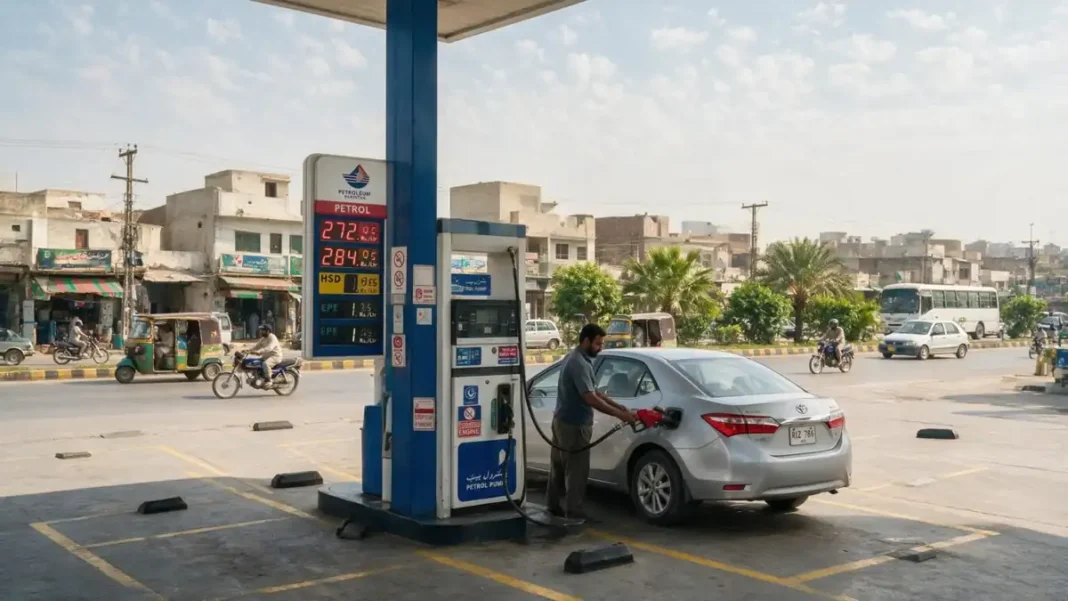
Pakistan imports most of its petroleum, so global oil lands directly in the CPI — and then in everything transported. Motor fuel is 37.7% dearer than a year ago (PBS, Sep 2026); petrol touched Rs 458.41/litre in April 2026 after the Hormuz closure. Fuel has a 6.7% weight in the CPI basket — and a far bigger indirect effect through freight. Full story: petrol & inflation.
2. The rupee
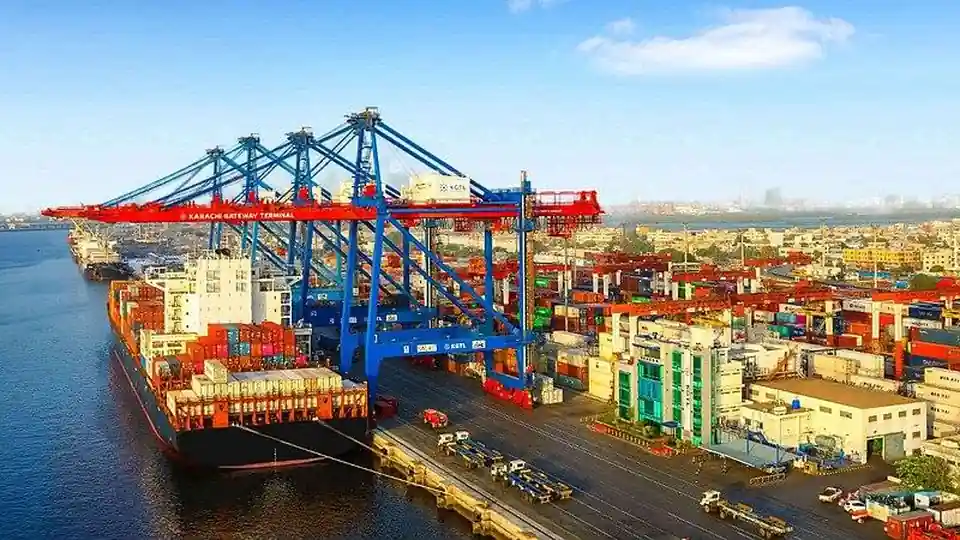
Every rupee slide against the dollar (now ~Rs 277) raises the landed cost of imports — fuel, edible oil, machinery, medicines. The 2022–23 depreciation was the single biggest driver of the 38% peak; the relative stability since has been equally important to disinflation. Pass-through is fast: importers reprice within weeks.
3. Food supply shocks
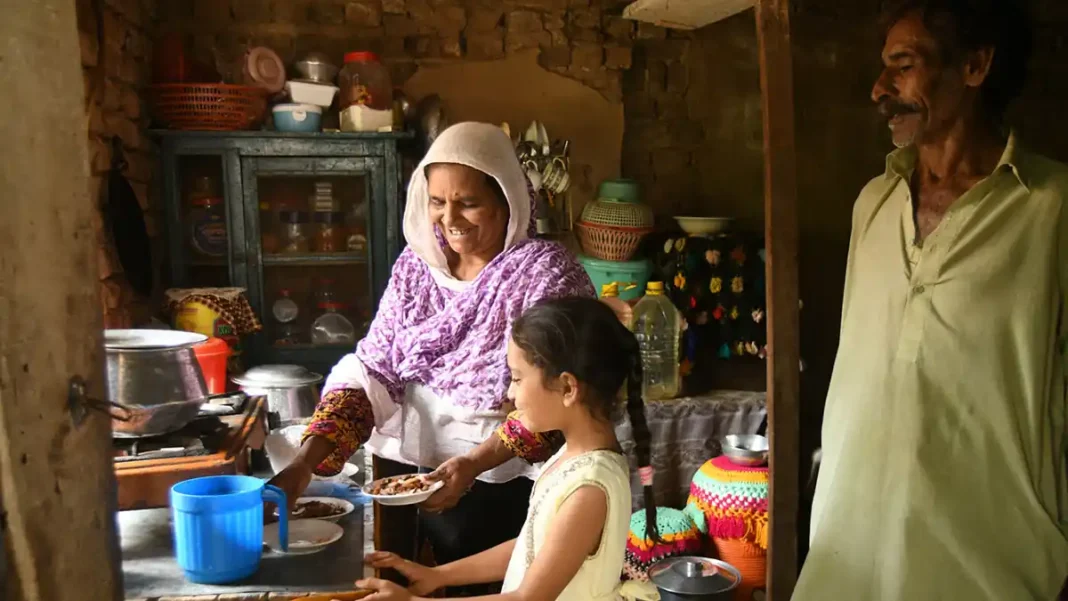
Food is ~35% of the CPI basket, so harvests move the headline. September 2026: onions +125% YoY (crop disruption), wheat +41%, flour +32%. Floods, export bans, and middlemen margins all play a role. In 2023, food inflation topped 48% in cities. See food inflation.
4. Electricity tariffs
Power tariffs are 32.5% higher than a year ago; September alone added 15.3% via capacity charges and fuel adjustments. Electricity is both a direct CPI item and an input to every factory and shop. The circular-debt-fuelled tariff cycle is Pakistan’s most persistent inflation engine — see electricity prices.
5. Fiscal & monetary policy
IMF-mandated subsidy removals and tax hikes (2023) pushed prices up even as they stabilised the economy — the classic stabilisation trade-off. On the monetary side, the SBP’s 11.50% policy rate now leans against demand; too-high rates, though, strangle growth — see the policy rate guide.
Causes: FAQs
What is the main cause of inflation in Pakistan?
Fuel prices and rupee depreciation — Pakistan imports its energy, so oil shocks and currency slides pass straight into prices.
How does the rupee affect inflation?
A weaker rupee raises import costs for fuel, food and machinery; at Rs 277/USD, every slide reprices the CPI basket.
Why are food prices so volatile in Pakistan?
Food is ~35% of the CPI basket; harvest shocks, floods and supply-chain margins swing it hard — onions +125% YoY in Sep 2026.
Do IMF conditions cause inflation?
They can push prices up short-term (subsidy removal, tariffs, taxes) while stabilising the economy long-term — the 2023 trade-off.