


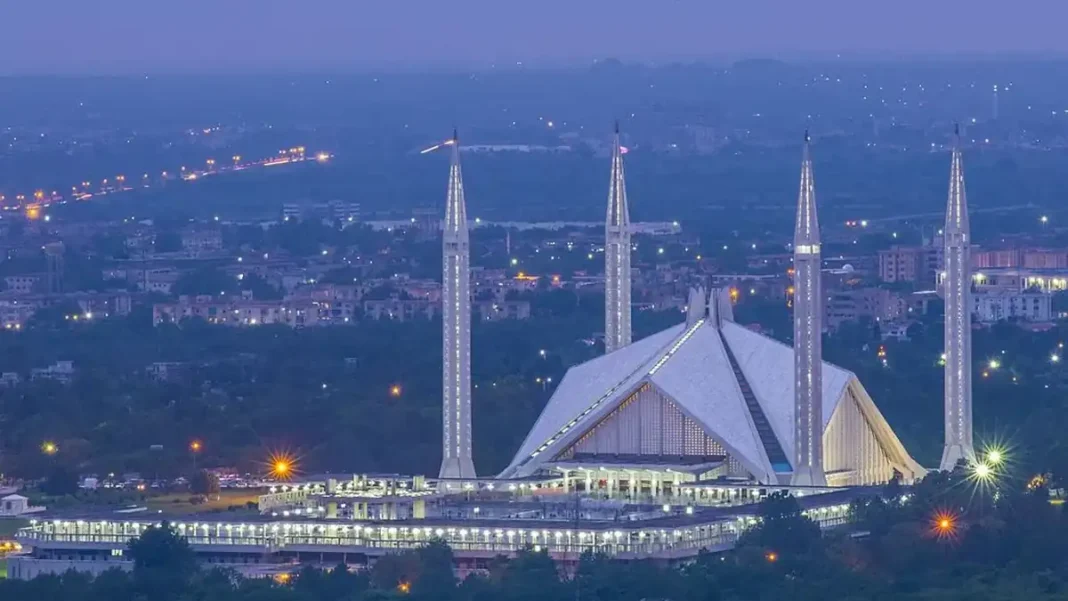
How bad is it, really? That is the question behind every “Islamabad situation today” search, and the honest answer has two halves: politically, the capital is in its tensest standoff in years; practically, it is a functioning city under heavy security. This assessment weighs both halves as of 11 October 2026.
Quick answer: Assessment (11 Oct 2026): politically tense — a week-long protest march challenges the government from KP while the capital is barricaded. Practically functional — offices, schools, markets and most roads operate; disruption is limited to protest routes, motorway approaches and the sealed Red Zone. Risk to ordinary residents following normal routines is low; risk rises sharply near any political gathering.
In this guide
How tense: the political half
The ingredients of a serious standoff are all present. A mass mobilisation led by a sitting chief minister, using provincial resources, marching on the federal capital against a government that has ruled out its entry “under any circumstances”. Three collapsed rounds of talks. A detained former prime minister at the centre of maximalist demands. Security forces deployed in the thousands. By the standards of Pakistan’s protest history, this is a high-tension episode.
The mitigating factors: the march has so far stayed within KP (Mardan today, not the capital’s gates), Afridi has publicly urged supporters to remain peaceful, and both sides have recent experience of negotiated de-escalations. The complete briefing details the positions.
How functional: the practical half
The city works. Federal and provincial offices are open, schools are in session, markets and restaurants trade, and the metro and local transport run. Islamabad’s planned layout helps — the Red Zone containment leaves the residential and commercial sectors largely untouched. Residents who lived through the 2014 and 2022 standoffs recognise the pattern: a militarised centre, a normal periphery.
The costs are real but diffuse: freight delays from motorway checks, requisitioned vehicles, businesses near barricaded interchanges losing footfall, and the background anxiety that keeps some families from travelling. None of this shows up as a “shutdown”, but it is a drag on normal life — the daily briefing tracks the practical impact.
The risks, honestly graded
Low for ordinary routines; high at flashpoints. For a resident going to work, school or the market away from protest routes, the risk is minimal — the security presence, if anything, suppresses ordinary street crime. The risk concentrates at three flashpoints: any political gathering (banned under Section 144 and historically where clashes occur), the barricaded interchanges if a crowd confronts them, and the KP march route itself if it moves on Punjab.
For visitors and expatriates, the standing guidance applies: the US Embassy’s late-September alert advised avoiding large gatherings, and the UK’s 22 September update flagged protest risks in Islamabad, Rawalpindi and Peshawar. Neither advisory changed its country-level assessment — the situation is serious, not yet a travel-level crisis. See the instant briefing for the current minute.
What could change the assessment
Three scenarios. De-escalation: a back-channel deal on Khan’s access or medical examination lets both sides claim victory and the march disperses — the assessment would ease within days. Prolongation: the march camps in KP indefinitely while the capital sustains its lockdown — costly, wearying, but stable. Confrontation: the march moves on Attock or the capital’s barricades, forcing the security response the government has threatened — the assessment would darken fast.
Which scenario prevails likely turns on Afridi’s next-phase announcement and the federal response. Until then, the assessment holds: tense politically, functional practically. The situation guide updates it as events decide.
How is the situation in Islamabad today?
Tense politically, functional practically. A PTI protest march continues in KP while the capital operates under Section 144 and barricades. Daily life proceeds outside the security zones.
Is it dangerous to be in Islamabad right now?
For ordinary routines away from protest areas, no. The danger concentrates at political gatherings and barricaded flashpoints, which residents should avoid entirely.
What would make the situation worse?
The march moving toward Attock or Islamabad’s barricades, clashes at any gathering, or a breakdown that removes the remaining negotiation channels. Afridi’s next-phase announcement is the near-term trigger to watch.
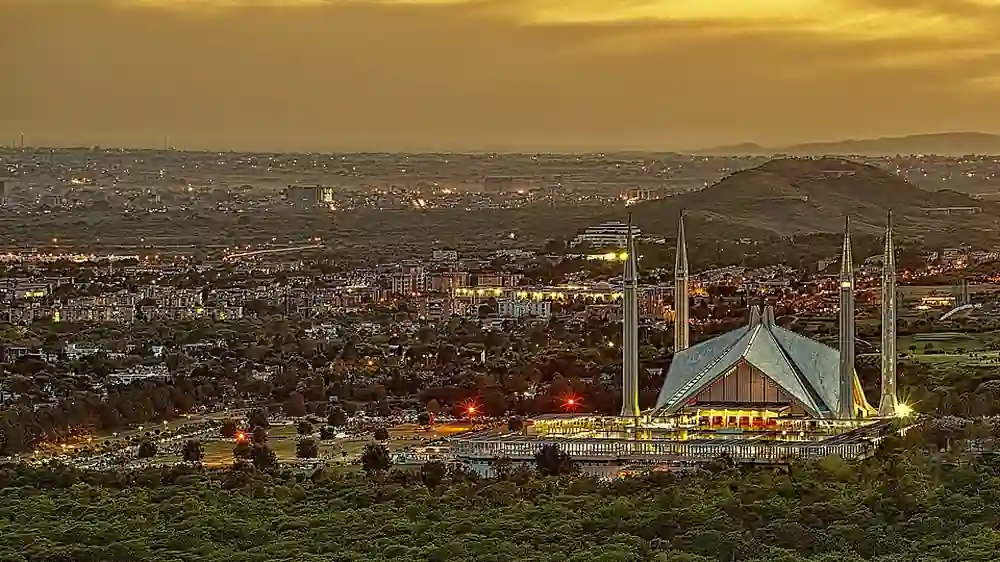
: the assessment — how tense, what functions, the risks. Tense politically, functional practically.)