


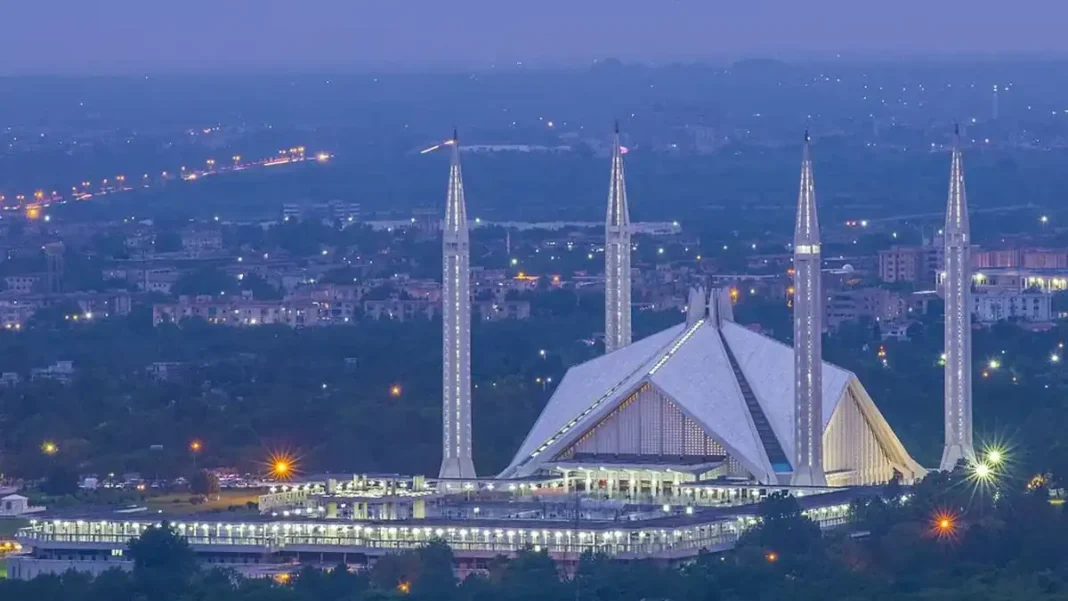
Islamabad is in standoff mode. A week after Imran Khan’s PTI launched its long march from Khyber Pakhtunkhwa, the capital sits behind container barricades and Section 144 orders while the caravan — rerouted toward Mardan — decides its next move. This briefing, current as of 11 October 2026, covers the march, the lockdown and each side’s demands.
Quick answer: As of 11 October 2026, Islamabad faces a political standoff: the PTI long march, launched 4 October from Lakki Marwat under KP Chief Minister Sohail Afridi, is now holding at Mardan in Khyber Pakhtunkhwa. The capital is barricaded with shipping containers, Section 144 bans gatherings, and the Red Zone is restricted. The city itself functions, but under heavy security.
In this guide
The march: where it is
Day eight of the long march. The PTI caravan set off on 4 October from Gandi Chowk in Lakki Marwat after last-minute talks with the government collapsed. Led by Khyber Pakhtunkhwa Chief Minister Sohail Afridi — who flew in by helicopter, a move the government condemned — the march drew more than 5,000 people at the start (AFP via Al Jazeera) and reached Karak district the same evening.
Under Afridi’s five-day plan, the convoy moved through Kohat and Peshawar toward Khairabad (Nowshera, ~80km west of Islamabad) for an 8 October next-phase announcement. On 10 October he rerouted to Mardan instead: the march arrived 10 October, holds there today, and Afridi addresses supporters at Shahbaz Garhi at 3pm. A second convoy under ex-KP CM Ali Amin Gandapur turned back at Yarik near Dera Ismail Khan amid blockades.
What each side wants
The PTI’s demands centre on jailed former prime minister Imran Khan, imprisoned since 2023 at Adiala Jail in Rawalpindi: access for party representatives and his personal doctors, a hospital-based medical examination, improved healthcare arrangements for Bushra Bibi, and the release of Khan’s sisters — three were detained in recent days, according to Reuters — plus detained party workers. Afridi has also pitched a 100-day peace policy, arguing 22 years of operations and drone strikes have not ended militancy.
The government’s position: the march must be called off first. Interior Minister Mohsin Naqvi says the government will not let the PTI “create a disturbance” and has warned Afridi will be held personally and legally responsible for any loss of life. Prime Minister Shehbaz Sharif’s political adviser Rana Sanaullah has said the marchers will not be permitted into the capital “under any circumstances”. Three rounds of negotiations collapsed, with both sides blaming each other — the deadlock issue, both agree, is access to Khan.
The capital’s security lockdown
Containers and Section 144. The Islamabad administration and Punjab Home Department imposed Section 144 across the federal capital and Rawalpindi district, banning rallies, demonstrations and gatherings of more than five people. Shipping containers and concrete barriers seal key points: Faizabad Interchange, D-Chowk, Srinagar Highway, 26 Number Chungi, T-Chowk and Margalla Avenue, plus the M-1 motorway approaches and roads at Attock and Taxila.
Thousands of anti-riot police, Frontier Constabulary and Pakistan Rangers personnel guard the Red Zone — the diplomatic enclave, Parliament House, Supreme Court and federal ministries — where entry has been cut to one or two points. The government cites a 14 September Islamabad High Court order holding that no political party has a lawful right to occupy roads, highways or public buildings in the capital. Police said on 5 October that no road into any area of Islamabad was closed, but travellers should verify with Islamabad Traffic Police on 1915 before leaving — official closure notices have been patchy.
How the city is coping
Functioning, but on edge. Outside the security perimeter, offices, schools, markets and the metro run normally. The disruption concentrates on the arteries: the M-1 and M-2 motorways saw severe checks and diversions in late September, freight movement has been hit, and thousands of vehicles were requisitioned or affected by the security preparations, according to Reuters.
Foreign missions are watching closely: a US Embassy security alert in late September advised Americans to avoid large gatherings, and the UK’s Foreign Office added warnings on 22 September about planned protests in Islamabad, Rawalpindi and Peshawar. For residents, the practical advice is unchanged from previous episodes: avoid protest routes, expect sudden diversions, and follow the Islamabad updates page through the day. The full hub is our Islamabad situation guide.
What is the current situation in Islamabad?
A political standoff. The PTI long march is moving through Khyber Pakhtunkhwa (currently around Mardan) after talks with the government collapsed, while Islamabad is barricaded with containers and under Section 144. The city functions under heavy security as of 11 October 2026.
Is Islamabad under lockdown?
Not a full lockdown. The Red Zone is sealed, gatherings are banned under Section 144, and key interchanges are barricaded — but offices, schools, markets and most roads operate. The disruption is concentrated on protest routes and motorway approaches.
Will the PTI march enter Islamabad?
Unclear. The government says marchers will not be permitted into the capital under any circumstances; Afridi has not said whether they will try. The march’s next phase was to be announced at its KP gathering — currently rerouted to Mardan.
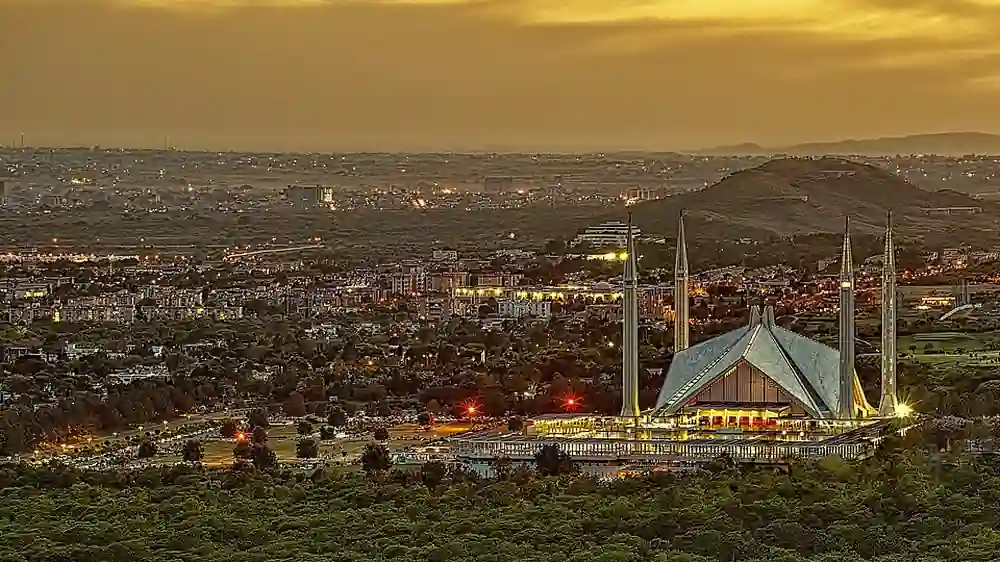
: PTI march in KP, capital barricaded, Section 144 in force. The complete briefing — what is happening and why.)