Tehran: Iran strait policy has announced a notable shift in its maritime stance, signaling openness ahead of key diplomatic talks. Senior officials confirmed that US vessels can now pass through the Strait of Hormuz, reflecting a more flexible approach under the current situation.
Iran’s Deputy Foreign Minister Saeed Khatibzadeh shared this update in a recent statement. He said Iran will allow US ships to transit through the waterway as long as they avoid hostile actions. This move highlights the evolving Iran Strait policy, which now focuses on controlled openness rather than strict restriction.
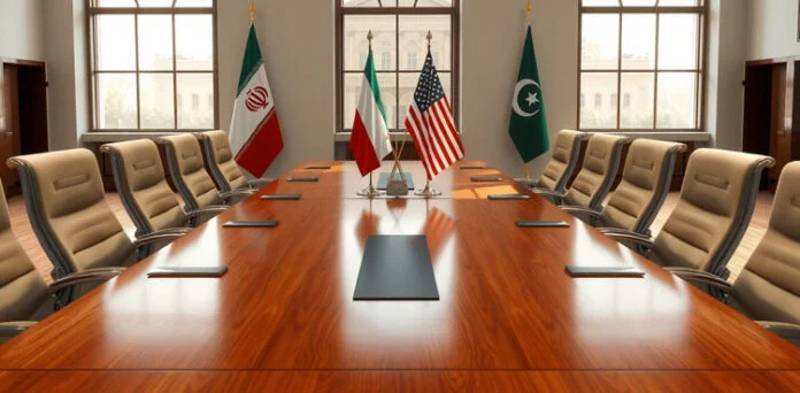
Meanwhile, this development comes just before the start of Iran–US peace talks in Islamabad. Both sides recently agreed to a 15-day ceasefire, and therefore, this statement adds a positive tone to the negotiations. Observers believe the updated Strait policy may help build trust during these discussions.
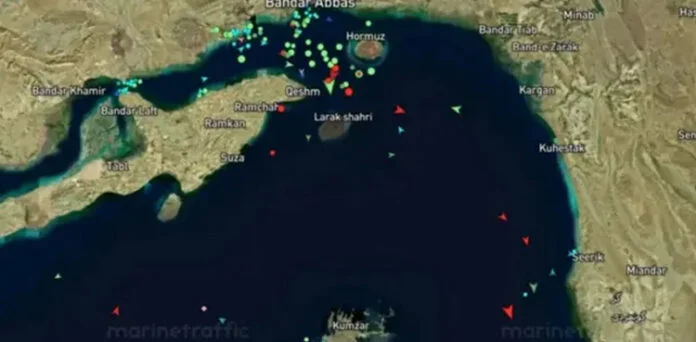
Khatibzadeh also clarified that the Strait of Hormuz remains open for international navigation. However, ships must coordinate with Iranian forces as they pass through the route. This requirement ensures safety and allows authorities to manage traffic effectively. As a result, the Iran Strait policy now combines access with monitoring.
In addition, Iranian officials confirmed that they will guide vessels through designated secure routes. These channels will help maintain order and prevent misunderstandings at sea. At the same time, the Iran Strait policy aims to reduce risks while maintaining the functionality of trade routes.
On the other hand, tensions still influence the broader situation. Earlier, US President Donald Trump criticized Iran’s handling of oil transit through the strait. He argued that Iran did not comply with the agreed terms. Even so, the revised policy shows a willingness to ease restrictions under certain conditions.
Furthermore, senior Iranian sources revealed limits under the ceasefire arrangement. Iran will allow only a fixed number of ships to pass through the strait daily. This step ensures better control and reflects a cautious implementation of the Iran Strait policy.
Overall, this shift carries significant global importance. The Strait of Hormuz serves as a key route for energy supplies, and therefore, any change directly affects global markets. Consequently, the updated Iran Strait policy may help stabilize the situation while diplomatic efforts continue.