Punjab Cabinet Approves Rs1.995 Trillion Industrial and Export Plan
LAHORE: The Punjab industrial export plan won cabinet approval on Monday: a Rs1.995 trillion programme that the provincial government says will create more than 162,000 jobs and pull private investment into manufacturing, agriculture and logistics.
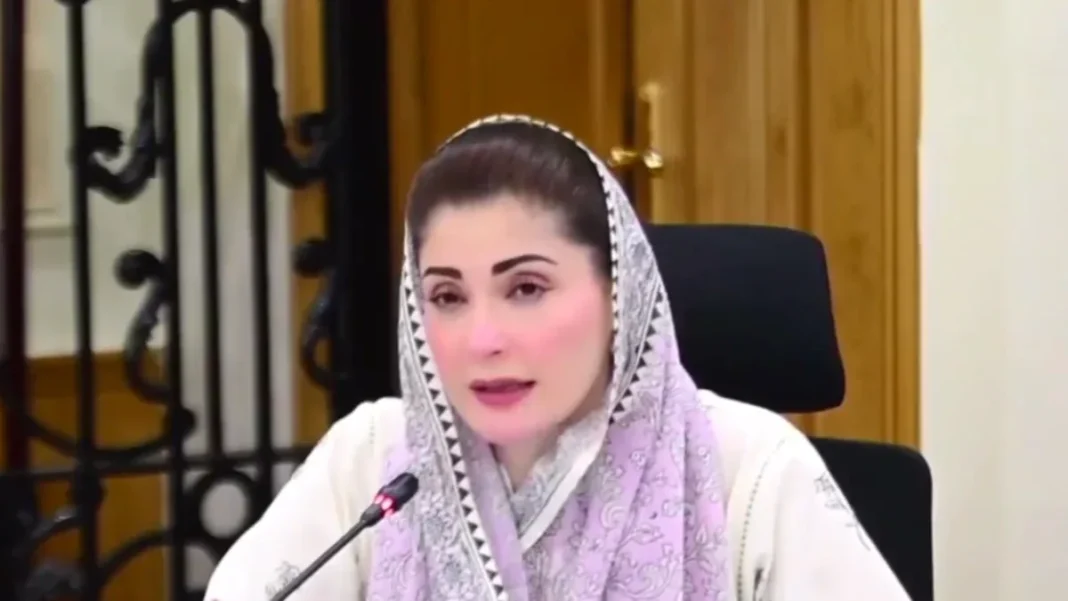
Chief Minister Maryam Nawaz Sharif chaired the meeting. Senior Minister Marriyum Aurangzeb presented the programme, which combines Rs1.089 trillion of provincial government funding with Rs906 billion expected from the private sector.
The plan focuses on industrial infrastructure, cluster development, export competitiveness and value-chain transformation. It also pushes the mechanisation of agriculture and livestock, public-private partnerships, and targeted support for garments and e-commerce.
What the Punjab industrial export plan includes
The programme will fund plug-and-play industrial facilities and testing and certification centres for leather, footwear and sports goods. Material-testing laboratories will serve the cutlery, tools, ceramics and fans industries.
Agri-processing parks are planned in Sargodha, Khanewal, Okara and Bhakkar, while horticulture authorities will be set up in 20 districts. The goal is to process more of Punjab’s farm output at home and sell it abroad at higher value.
For farmers, the cabinet approved Rs9.5 billion for 10,000 high-powered tractors. Officials told the meeting that more than 250,000 farmers had applied and about 25,000 tractors had already been delivered. The cabinet also waived the late-registration fee for tractor applicants.
A separate Rs7.6 billion Thal agriculture project will bring drip irrigation, solar power and water storage to 10,000 acres in Mankera and Layyah.
Housing, health and transport decisions
The cabinet also approved Rs60 billion for the Apni Chhat Apna Ghar housing scheme, while rejecting a proposal to revise stamp duty. Maryam Nawaz Medical College and Teaching Hospital in Mianwali got the go-ahead.
On transport, the cabinet approved 1,500 electric buses for tehsil-level routes, electric trucks and anti-smog guns, and revised traffic fines for the Ring Road. It also agreed to send six clinic-on-wheels to Gilgit-Baltistan and 15 to Azad Jammu and Kashmir.
Separately, Punjab will host the 14th South Asian Games, the meeting decided.
Why this plan matters for Pakistan’s exports
The provincial push lands as the federal government presses an export-led growth agenda. Prime Minister Shehbaz Sharif made the case for export-led growth at the Pakistan Stock Exchange earlier this month, and Punjab’s programme is the most concrete provincial response to that call so far.
Punjab is also acting on a pattern already visible in other sectors: industries are being urged to adopt proper export strategies rather than rely on domestic demand alone. The new testing labs and certification centres suggest Lahore has heard that message.
The test now is delivery. Punjab’s past industrial announcements have often run into land, energy and bureaucratic delays. The cabinet has promised plug-and-play facilities — the phrase investors will watch for, and the one they will judge.
Apni Chhat continues to win recognition
The meeting also underlined the provincial government’s faith in its flagship housing programme. The Apni Chhat Apna Ghar scheme recently earned Maryam Nawaz a UN-Habitat honour, and Monday’s Rs60 billion approval keeps it among the province’s biggest budget commitments.
FAQs
What is the Punjab industrial export plan?
It is a provincial industrial development and export promotion programme approved by the Punjab cabinet, worth Rs1.995 trillion, aimed at industrial infrastructure, cluster development, export competitiveness and value-chain transformation.
How many jobs will it create?
The government says the programme will create more than 162,000 jobs.
Who is funding the Rs1.995 trillion?
Rs1.089 trillion will come from the provincial government and Rs906 billion from the private sector.
What support does the plan offer farmers?
Rs9.5 billion for 10,000 high-powered tractors (with the late-registration fee waived), and a Rs7.6 billion Thal agriculture project covering drip irrigation, solar power and water storage on 10,000 acres in Mankera and Layyah.
Which cities will get agri-processing parks?
Sargodha, Khanewal, Okara and Bhakkar.
What other decisions did the cabinet take?
Rs60 billion for Apni Chhat Apna Ghar, approval for Maryam Nawaz Medical College and Teaching Hospital in Mianwali, 1,500 electric buses at tehsil level, electric trucks and anti-smog guns, revised Ring Road traffic fines, clinic-on-wheels for GB and AJK, and hosting the 14th South Asian Games.