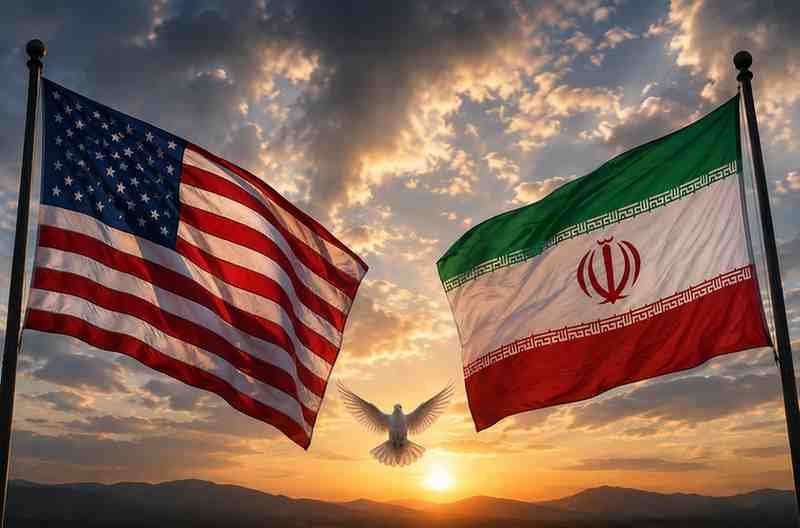
Islamabad: The United States and Iran have agreed in principle to extend their current 60-day ceasefire as its August 17 deadline approaches. The US-Iran ceasefire extension could prevent another round of military confrontation between the two countries.
According to Turkish media reports, Washington and Tehran have informed mediators that they support extending the existing truce. However, both sides still need to determine the exact duration of the new arrangement.
The current ceasefire remains an important diplomatic effort amid continuing tensions between the United States and Iran. Therefore, mediators have worked to keep communication channels open and prevent fresh military action.
Reports suggest that the agreement on the US-Iran ceasefire extension falls under the framework of the “Islamabad MoU.” Both countries have reportedly accepted the basic principle of continuing the truce beyond August 17.
However, officials have not yet announced how long the extended ceasefire could last. The two sides may agree on additional days or several weeks after further discussions with mediators.
Meanwhile, the latest development could give diplomatic efforts more time to address unresolved disagreements. It could also reduce the immediate risk of another military escalation across the Middle East.
The United States and Iran faced a dangerous period of confrontation in July. From July 8 to July 24, the two countries exchanged military strikes as tensions rose sharply across the region.
During that period, Washington carried out attacks against several targets inside Iran. Tehran responded by claiming strikes against US military facilities and equipment in several Arab countries.
Iran said its response included targets connected to American military operations in Jordan, Bahrain and Kuwait. As a result, regional governments faced growing concerns about the possibility of a wider conflict.
The fighting also raised fears about regional security and economic stability. Therefore, diplomatic efforts gained urgency as mediators tried to stop the confrontation from spreading to other countries.
The original ceasefire later helped halt the immediate exchange of attacks. Now, the US-Iran ceasefire extension could provide additional space for diplomatic discussions and reduce pressure on countries caught between the two rivals.
Still, the agreement does not necessarily resolve the deeper disputes between Washington and Tehran. Both governments continue to disagree on several major security and political issues.
However, extending the truce could show that both sides currently prefer diplomacy over another direct military confrontation. The decision may also help mediators pursue further negotiations while tensions remain under control.
The reported role of the Islamabad MoU has also drawn attention to diplomatic efforts aimed at managing the crisis. Under this framework, mediators have maintained communication between Washington and Tehran despite their strained relationship.
At the same time, neither side has yet provided complete details about the next phase of the ceasefire. Officials may announce the final duration once mediators complete further consultations with both governments.
Regional countries will closely follow those discussions because renewed fighting could affect security far beyond Iran. In particular, Gulf countries host major military facilities and remain vulnerable to any broader escalation.
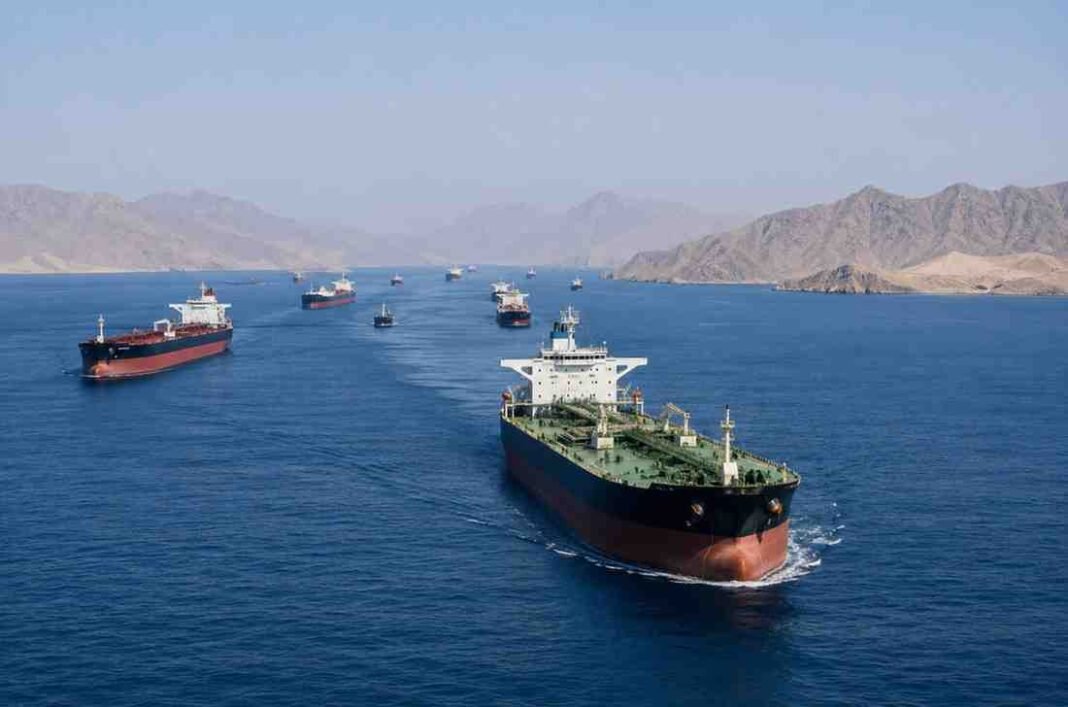
Furthermore, instability in the region could affect international energy markets and important shipping routes. Therefore, any diplomatic progress between Washington and Tehran carries significance beyond their bilateral relationship.
The US-Iran ceasefire extension may also allow both governments to reassess their positions. Instead of returning immediately to military action, they could use the additional period to explore political solutions.
Nevertheless, major challenges remain because the two countries still lack broad trust. Any new military incident or political dispute could place fresh pressure on the ceasefire and complicate mediation efforts.
For now, both Washington and Tehran appear willing to maintain the pause in hostilities. Their reported agreement has reduced immediate concerns that the August 17 deadline could automatically trigger another period of confrontation.
Mediators will now focus on finalizing the length and terms of the extended truce. A clear agreement could strengthen diplomatic efforts and provide greater certainty to countries across the region.
Ultimately, the success of the US-Iran ceasefire extension will depend on whether both sides continue to respect the arrangement and avoid actions that could restart hostilities. The coming days could determine whether the ceasefire develops into a longer diplomatic opening or remains only a temporary pause in a much deeper conflict.