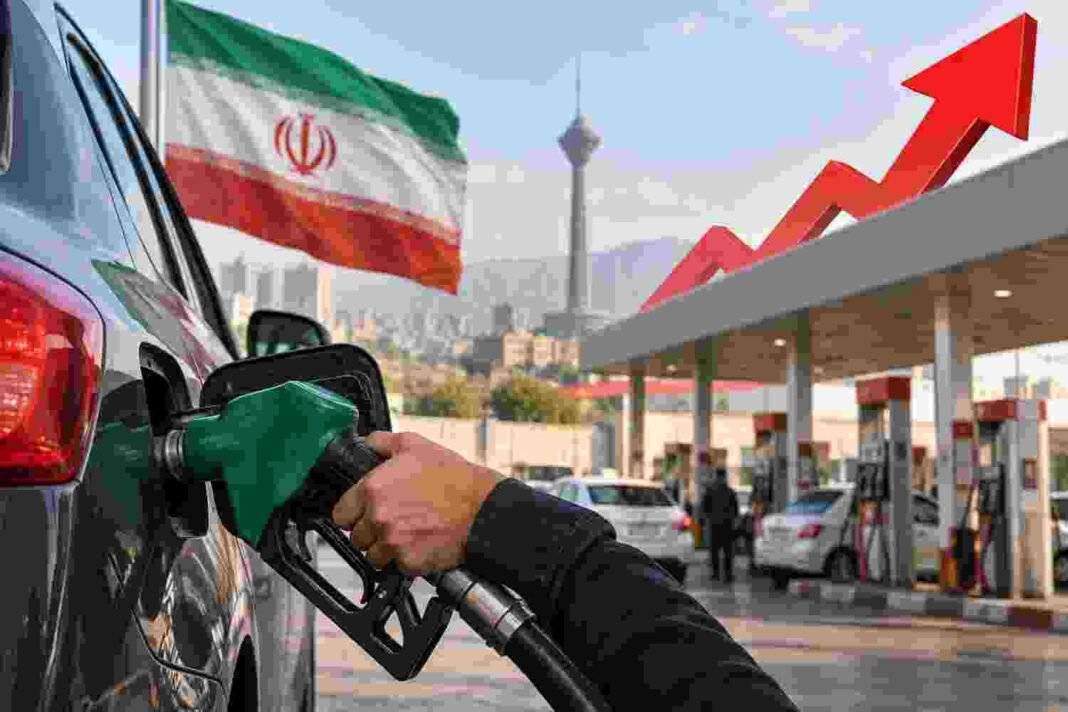
Iran Petrol Prices will increase for people who consume more than 110 liters of fuel per month, as the government introduces a new rate for heavy petrol users.
Iranian government spokesperson Fatemeh Mohajerani announced the change and said the new pricing system will take effect from September 8. However, the government will keep subsidized rates unchanged for people who stay within the monthly limit.
Under the new system, drivers who consume more than 110 liters each month will pay 10,000 tomans per liter for additional petrol. Previously, these consumers paid 5,000 tomans per liter after crossing the limit.
Therefore, the new rate doubles the cost of petrol for consumption above 110 liters. The government aims to target heavy fuel users rather than increase prices for every driver.
Meanwhile, ordinary consumers will continue to receive petrol under the existing pricing structure. Officials have made clear that people who consume no more than 110 liters each month will not face the higher rate.
Iran currently uses different petrol rates according to monthly consumption. Drivers can purchase their first 60 liters at a heavily subsidized price of 1,500 tomans per liter.
After using the first 60 liters, consumers can buy another 50 liters at 3,000 tomans per liter. Together, these two categories provide drivers with 110 liters before the highest rate applies.
The latest Iran Petrol Price change will therefore mainly affect motorists who regularly consume large quantities of fuel. People with moderate petrol consumption can continue using the existing subsidized system.
For example, a driver who consumes 100 liters in one month will remain within the existing pricing categories. In contrast, someone who consumes 130 liters will pay the new higher rate on the amount above the 110-liter threshold.
The change could encourage some motorists to reduce unnecessary journeys and manage their monthly petrol use more carefully. Moreover, higher costs may push heavy users to reconsider how frequently they drive.
Iran has historically kept domestic petrol prices relatively low through government subsidies. These subsidies help households manage transport expenses but also place financial pressure on the government.
As a result, fuel pricing remains an important economic and political issue in the country. Any significant change can directly affect household budgets, transportation expenses, and business costs.
However, the government has limited the latest Iran Petrol Price increase to consumers who cross the monthly threshold. This approach lets authorities keep rates lower for most ordinary users.
The decision also widens the gap between moderate and heavy fuel consumption. Consequently, people who use larger vehicles or travel long distances every day could feel the greatest impact.
Businesses that rely heavily on private vehicles may also pay closer attention to monthly consumption. Higher fuel expenses can eventually increase operational costs for companies that regularly exceed the subsidized allowance.
At the same time, the new system gives consumers a clear incentive to remain below 110 liters. Drivers who manage their fuel consumption carefully can avoid paying the new 10,000-toman rate.
The Iranian currency system can confuse international readers. One toman equals 10 Iranian rials, although people commonly use tomans when discussing everyday prices in Iran.
Therefore, the new 10,000-toman petrol rate equals 100,000 Iranian rials per liter. The government will apply this price only to petrol purchased after consumers exceed their monthly 110-liter allowance.
The Iran Petrol Price structure now creates three clear levels for consumers. The first 60 liters cost 1,500 tomans per liter, while the next 50 liters cost 3,000 tomans per liter.
After that, every additional liter will cost 10,000 tomans under the new rate. This system places the largest financial burden on drivers with the highest monthly consumption.
Meanwhile, the government continues to face broader economic challenges. Household expenses and purchasing power remain important concerns for many Iranian families.
Fuel prices can influence other areas of the economy because transportation affects the cost of goods and services. Therefore, authorities often approach petrol price changes carefully to limit pressure on ordinary households.
The government’s decision to protect the first 110 liters from the latest increase reflects that concern. Instead of introducing a general price hike, officials have focused specifically on higher consumption.
Still, heavy petrol users could see a noticeable increase in their monthly fuel bills. The exact impact will depend on how far they exceed the 110-liter threshold.
For instance, motorists who consume only slightly above the limit will face a smaller additional expense. However, drivers who use significantly more fuel could experience a much larger increase.
The latest Iran Petrol Price policy could also influence driving habits over time. Some consumers may start monitoring their monthly petrol use more closely to stay within subsidized limits.
Others could reduce unnecessary travel or explore alternative transport options. Therefore, the new rate may affect both household spending and individual transportation choices.
The change will officially take effect on September 8. Until then, consumers can prepare for the higher rate if their monthly fuel consumption regularly exceeds 110 liters.
Overall, Iran has chosen a targeted approach rather than raising petrol prices for everyone. The government will keep fuel cheaper for moderate users while requiring heavy consumers to pay considerably more.
The new Iran Petrol Price system will now test how motorists respond to the higher rate. Its wider impact will become clearer as consumers adjust their fuel use and household budgets after the September 8 implementation.