Morocco Names First Woman Prime Minister Fatima Ezzahra El Mansouri
Morocco Names First Woman Prime Minister Fatima Ezzahra El Mansouri
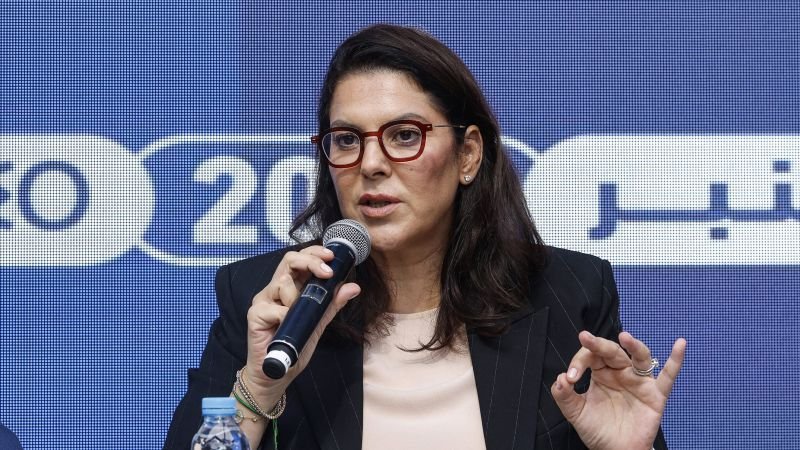
RABAT: King Mohammed VI has appointed Fatima Ezzahra El Mansouri as Morocco’s first woman prime minister, a historic choice that puts a woman at the head of government in the North African kingdom for the first time.
The appointment was announced on September 29, days after El Mansouri’s Authenticity and Modernity Party (PAM) came out on top in the September 23 parliamentary elections. The royal palace has tasked the 50-year-old with forming a new government.
Who is Fatima Ezzahra El Mansouri
El Mansouri is a lawyer by training who has spent years in public life. She served as minister for housing and urban planning in the outgoing government and was the mayor of Marrakech, a post she first won in 2009 as the first woman to hold it before retaking it in 2021.
She co-leads the centre-right PAM, founded in 2008, which won 97 of the 395 seats in the House of Representatives, 31 ahead of its nearest rival, the National Rally of Independents.
Born in Marrakech, El Mansouri studied business contract law at the University of Montpellier in France and Anglo-Saxon business law at New York University in the United States.
Asked about a possible appointment the day after the election, she told reporters: “It would be a great honor for me.” She has since described the responsibility of leading the government as “historic” and “a source of pride”, for herself and for all Moroccan women.
Morocco first woman prime minister faces a coalition task
El Mansouri’s immediate challenge is arithmetic. With 97 seats, her party is far short of the 198 needed for an absolute majority, so she must negotiate a coalition before she can present a cabinet for the king’s approval.
Morocco’s electoral system makes single-party majorities nearly impossible, and coalition talks are expected to run for days or weeks. The parliament is due to open on October 9 with an address by the king.
Her government will face pressing demands on jobs, inflation and living costs. During the campaign she said: “Young people are going through a crisis and we must provide them with answers. We want to restore their hope, not only through speeches, but through concrete solutions.” Her party has pledged average annual growth of five per cent, inflation of two per cent and at least one million new jobs over its five-year term.
Billions of dollars in investment linked to the 2030 FIFA World Cup, which Morocco will co-host, will also land on her desk.
Why it matters beyond Morocco
El Mansouri is only the second woman to serve as prime minister in the Arab world, after Tunisia’s Najla Bouden, who held the post from 2021 to 2023. Her appointment is being read across the region as a milestone for women’s political leadership.
It also matters for Pakistan. Morocco and Pakistan share close ties as Muslim-majority states, and Islamabad watches political change in North Africa for its effects on trade, diplomacy and the wider Muslim world. A stable coalition in Rabat would keep that partnership on a steady course.
Under Morocco’s constitution, the king retains sweeping powers over foreign policy, defence and religion, so the new prime minister will govern within those limits. Even so, the symbolism of the appointment is hard to miss.
Who is Morocco’s new prime minister?
Fatima Ezzahra El Mansouri, a 50-year-old lawyer, former housing minister and mayor of Marrakech, appointed by King Mohammed VI on September 29.
Why was she chosen?
Under Morocco’s constitution, the king appoints the head of government from the party that wins the most parliamentary seats. Her PAM party won 97 of 395 seats in the September 23 elections.
Is she the first woman prime minister in the Arab world?
No. She is the first in Morocco and the second in the Arab world, after Tunisia’s Najla Bouden, who served from October 2021 to August 2023.
What are her government’s main challenges?
Forming a coalition without a majority, tackling unemployment and living costs, and overseeing World Cup-related investment, all within a system where the king retains key powers.