NA body wants wheat support price fixed at Rs5,000 per 40kg for Rabi season
NA body wants wheat support price fixed at Rs5,000 per 40kg for Rabi season
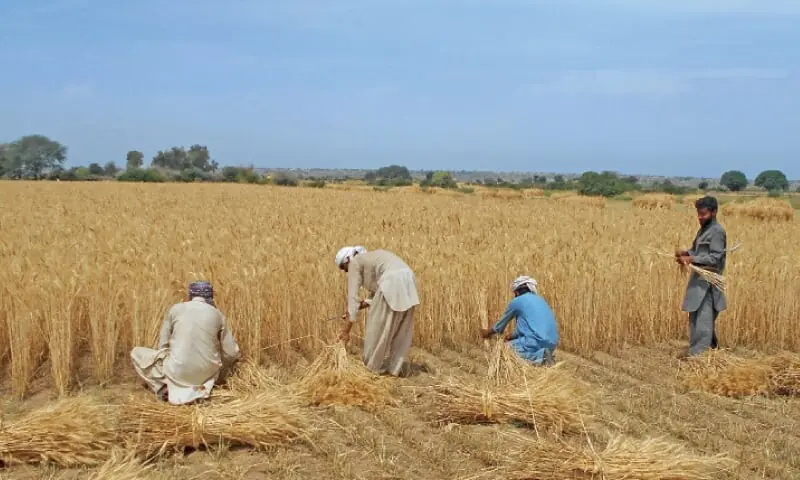
A parliamentary committee has recommended that the federal government fix the minimum wheat support price at Rs5,000 per 40kg or above for the 2026-27 Rabi season, and called for a uniform subsidy mechanism for farmers across the country.
The National Assembly Standing Committee on National Food Security and Research, which met on Thursday in Islamabad under the chairmanship of Syed Tariq Hussain, also urged the government to finalise the national wheat policy covering 2026-30 before the sowing season begins, observing that decisions taken after sowing would have little practical value for farmers.
Committee presses for timely wheat support price decision
The committee asked the Ministry of National Food Security to ensure timely decisions on the minimum support price and a uniform subsidy programme for all farmers. It also directed the National Seed Development and Regulatory Authority to brief the committee on its progress since 2024 and submit the required rules and regulations.
Members flagged the major challenges facing the agriculture sector: rising input costs, inadequate mechanisation, poor-quality seeds, insufficient agricultural research, limited subsidies, inadequate storage facilities, weak export performance and the absence of uniform and timely agricultural policies.
Provinces differ on farmer support models
Minister for National Food Security and Research Rana Tanveer Hussain briefed the committee on last year’s interim wheat policy, the proposed National Wheat Policy 2026-2030 and various subsidy models under consideration. He said consultations with all provincial governments would be held within a week to finalise the policy, which would be announced before the sowing season.
The committee emphasised the need for a uniform subsidy programme, noting the differences in provincial approaches. It was informed that Punjab was considering support through the Kissan Card, Sindh was providing assistance to farmers holding up to 25 acres, while Khyber Pakhtunkhwa will provide an in-kind subsidy of Rs5,000. The committee called for a simple, accessible mechanism that benefits farmers in every province, and Rana Tanveer urged members to engage their respective provincial governments to take part in the national wheat policy.
Storage worries after Passco closure
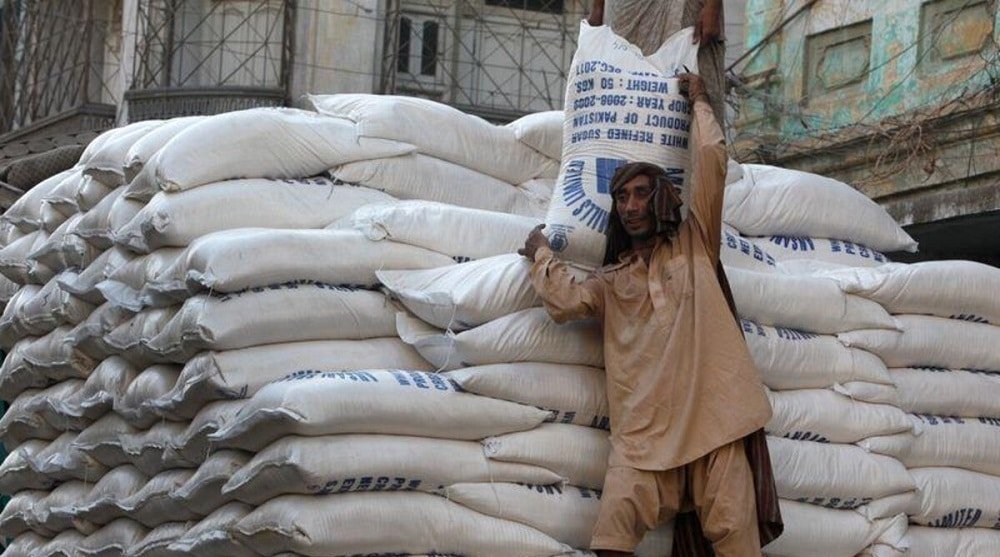
Committee members raised concerns about storage and marketing arrangements after the closure of Passco, noting that farmers would have limited alternatives for storing and marketing their wheat. They observed that private storage facilities often demand advance payments, creating additional financial pressure on growers.
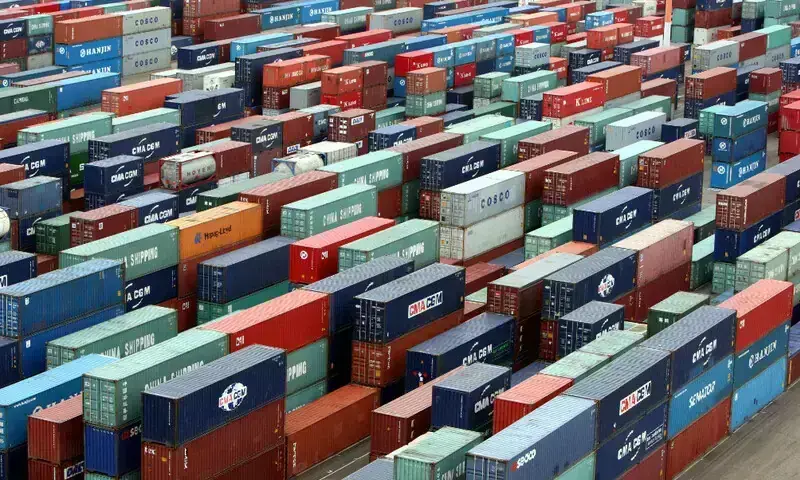
The members also highlighted the high cost of fertilisers and other agricultural inputs, calling for measures to reduce production costs and ensure timely availability of inputs. On exports, the committee was informed that a good rice crop was expected this year, and it called for enhanced efforts to expand export markets and improve the competitiveness of Pakistani agricultural products.
The committee stressed that agriculture remains a key pillar of the national economy and called for coordinated measures to improve farmers’ profitability and productivity.
Frequently asked questions
What wheat support price has the NA committee recommended?
Rs5,000 per 40kg or above as the minimum support price for the 2026-27 Rabi season.
When will the national wheat policy be finalised?
Minister Rana Tanveer Hussain told the committee that consultations with all provinces would be held within a week and the National Wheat Policy 2026-2030 would be announced before the sowing season.
Why does the committee want a uniform subsidy mechanism?
Provinces currently use different models: Punjab is considering the Kissan Card, Sindh assists farmers with up to 25 acres, and Khyber Pakhtunkhwa plans an in-kind subsidy of Rs5,000. The committee wants one simple, accessible system for farmers nationwide.
What are farmers’ main concerns besides the support price?
Rising input and fertiliser costs, poor-quality seeds, inadequate storage after Passco’s closure, advance-payment demands from private storers, and weak export performance.