AJK Leaders Call for Peaceful Resolution of Poonch Crisis
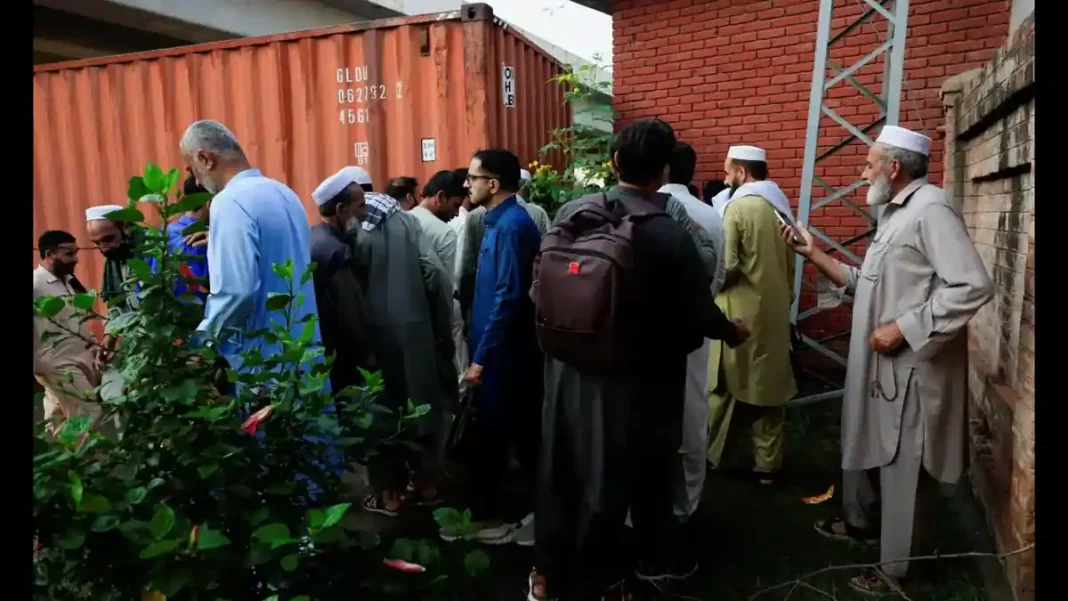
Senior politicians from Azad Jammu and Kashmir met on Monday and called for a peaceful and dignified political resolution of the Poonch crisis, voicing deep concern over the deteriorating law and order situation in the division. The meeting took place at Mujahid Manzil in Rawalpindi, the residence of Muslim Conference president and former AJK prime minister Sardar Attique Ahmed Khan.
The leaders demanded the restoration of internet services, uninterrupted transport, and the delivery of food supplies and medicines to the affected areas. They agreed to continue the consultative process to keep pressure on for a settlement.
What the Leaders Decided
The gathering brought together senior figures from across AJK’s political divide. Those present included former AJK president Sardar Muhammad Yaqoob Khan, PML-N AJK president Shah Ghulam Qadir, former AJK prime minister Raja Farooq Haider Khan, PPP AJK president Chaudhry Muhammad Yasin, Sardar Tanveer Ilyas Khan, Abdul Rashid Turabi and Dr Khalid Mahmood.
They united around three demands: restore the internet, reopen transport so food and medicines can move freely, and resolve the crisis through political means that preserve the dignity of the people of Poonch.
The leaders also reaffirmed the region’s commitment to accession to Pakistan, citing the Muslim Conference resolution of July 19, 1947. The agreement to keep the consultative process going means further meetings are expected in the coming days.
The Poonch Crisis on the Ground
The unrest in Poonch division stems from protests and sit-ins organised by the Joint Awami Action Committee over rights demands. The demonstrations have led to road closures and internet restrictions across the division, disrupting daily life and trade.
The crisis has raised wider worries about law and order. The region sits along a sensitive frontier; security incidents such as the recent landmine blast near Hajira on the Line of Control that killed four youths underline how fragile the area is. Pakistan has also been pressing Afghanistan on militant sanctuaries, with the information ministry and Defence Minister Khawaja Asif warning about cross-border terrorism, and Foreign Minister Ishaq Dar warning the Afghan Taliban of the costs at the ISSI forum.
Adding to the political uncertainty, seven assembly seats from Poonch and Sudhnoti remain unfilled, leaving a representation gap at a time when the division’s grievances need a political channel.
What Happens Next
The leaders’ decision to continue consultations signals that Monday’s meeting was a first step, not a final one. Any settlement will need to address the protesters’ demands, restore normal services, and open a political dialogue.
Regional diplomacy continues in parallel. The Omani foreign minister’s recent visit to Pakistan is a reminder that Islamabad keeps its external lines active while managing internal crises such as this one.
For now, the key test is practical: whether internet access returns, roads reopen, and supplies reach the towns and villages cut off by the unrest. The leaders’ statement gives the government a political cover for acting, but the relief measures they demanded have yet to materialise.
Frequently Asked Questions
Who met at Mujahid Manzil on Monday?
Senior AJK politicians including Sardar Attique Ahmed Khan, Sardar Muhammad Yaqoob Khan, Shah Ghulam Qadir, Raja Farooq Haider Khan, Chaudhry Muhammad Yasin, Sardar Tanveer Ilyas Khan, Abdul Rashid Turabi and Dr Khalid Mahmood met at the Muslim Conference president’s Rawalpindi residence.
What did the leaders demand?
They called for a peaceful and dignified political resolution of the Poonch crisis, and demanded the restoration of internet services, uninterrupted transport, and the delivery of food supplies and medicines.
What caused the Poonch crisis?
The crisis grew out of protests and sit-ins by the Joint Awami Action Committee over rights demands. The demonstrations brought road closures and internet restrictions across Poonch division.
What is the July 19, 1947 resolution?
It is the Muslim Conference resolution through which the people of the princely state of Jammu and Kashmir opted for accession to Pakistan. The AJK leaders reaffirmed that commitment at Monday’s meeting.