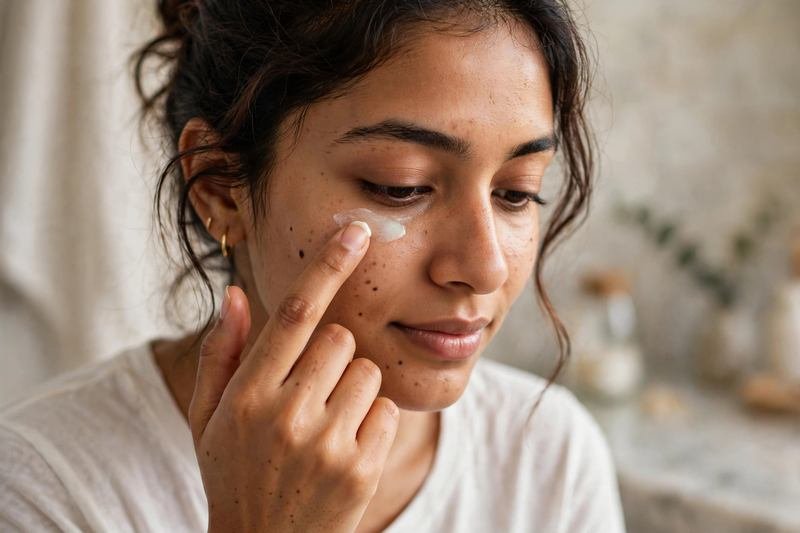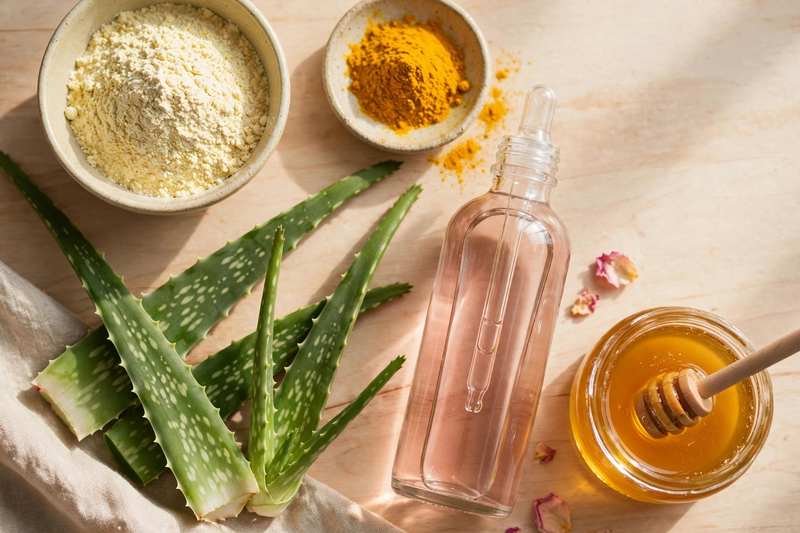
Every Pakistani household has a totka drawer: your grandmother applied besan before weddings, your mother kept rose water in the fridge during the summers, and somewhere along the way you inherited an entire beauty system that costs a fraction of a branded cream. The question is which of these remedies genuinely work, which are harmless but mostly hype, and which need a word of caution before they touch your face.
This guide covers the classic desi ingredients — besan, haldi, aloe vera, rose water, honey, dahi, and ubtan — with honest notes on what science supports, how to use each safely, and when to skip the totka and see a dermatologist.
Why Desi Remedies Still Make Sense
Three reasons these remedies have survived generations. First, cost: a packet of besan costs around PKR 150 to 200 and lasts for dozens of face packs, while one tube of brightening cream can run into thousands. Second, availability: haldi, dahi, and honey are already in your kitchen; aloe vera grows on countless balconies. Third, simplicity: you know exactly what is going on your skin.
That does not mean everything in the totka drawer deserves a free pass. Lemon juice on the face, for example, is often recommended for dark spots, but it can cause chemical burns when exposed to sunlight. The goal here is to keep the remedies that are genuinely useful and safe, and set aside the ones that are risky or simply do not do what people claim.
Besan (Gram Flour): The Classic Exfoliating Base
Besan is the backbone of desi skincare. Made from chickpeas, it works as a gentle physical exfoliant, lifting away dead skin cells, dust, and pollution residue that dull the complexion. Almost every ubtan recipe starts here.
How to use it
- Simple besan cleanse: Mix 2 tablespoons of besan with rose water or plain water into a smooth paste. Massage onto damp skin for 30 to 60 seconds, then rinse. Use once or twice a week as a scrub.
- Besan and dahi mask: Combine 2 tablespoons of besan with 1 tablespoon of plain dahi. The lactic acid in yogurt adds mild exfoliation on top of the scrubbing action. Leave on for 10 to 15 minutes, then rinse.
What the evidence says: Physical exfoliation is well supported by dermatology — removing dead cells reveals fresher-looking skin underneath. Besan itself has not been studied in clinical trials, but its mechanism matches the mild scrubbing action of commercial exfoliating powders. It may help with dullness and mild uneven texture.
Haldi (Turmeric): The Golden Ingredient With a Caveat
No desi beauty discussion is complete without haldi. Curcumin, its active compound, has genuine anti-inflammatory and antioxidant properties studied extensively by researchers. In skincare, turmeric is used for calming redness and supporting an even skin tone.
How to use it
- Haldi and honey mask: Mix half a teaspoon of haldi with 1 tablespoon of honey. Apply a thin layer, leave for 10 minutes, rinse well. This is the safest beginner-friendly way to try turmeric on the face.
- Haldi in ubtan: Add just a pinch to any besan-based pack rather than making turmeric the main ingredient. A little goes a long way.
The staining warning: Turmeric stains — skin, nails, clothes, and bathroom tiles. Use half a teaspoon or less per application, apply with clean hands or a brush, and rinse thoroughly. If a yellow tint remains, a cotton pad with a little milk or a gentle oil cleanser removes it. People with very fair skin should be extra cautious, and kasturi haldi (wild turmeric, sold in many desi stores) stains less than kitchen turmeric.
What the evidence says: Curcumin’s anti-inflammatory effects are real and well documented. It may help calm irritated skin and support a more even-looking complexion. But most strong evidence comes from oral supplements or concentrated extracts, not from a pinch of kitchen haldi in a face pack. Treat it as a helpful supporting ingredient, not a miracle cure.
Aloe Vera: The Soother
If you have an aloe vera plant at home, you have free skincare. The clear gel inside the leaf is mostly water with soothing compounds, and it is one of the few desi remedies that dermatologists themselves often recommend — particularly for calming sunburnt or irritated skin.
How to use it
- Fresh gel: Cut a leaf, scoop out the clear gel, and apply directly to clean skin. Leave for 10 to 15 minutes and rinse, or leave a thin layer on overnight.
- Aloe and rose water toner: Mix equal parts fresh aloe gel and rose water, store in a clean bottle in the fridge, and use within a week as a cooling morning toner during the hot months.
What the evidence says: Aloe vera has solid evidence for soothing minor burns and supporting skin hydration. It may help with mild irritation and works as a light moisturizer for oily or acne-prone skin. What it cannot do: shrink pores permanently or replace sunscreen.
Rose Water (Arqe Gulab): The Finishing Touch
Arqe gulab has been in Pakistani beauty routines for centuries, and its role is simple and honest: it is a gentle, pleasantly scented hydrating mist. Kept in the fridge, it is deeply refreshing after a long day in the heat.
How to use it
- As a toner: Pat onto skin after cleansing, before moisturizer.
- In packs: Use it as the liquid base for besan or multani mitti masks instead of plain water.
What the evidence says: Rose water is mildly anti-inflammatory and safe for most skin types, but its benefits are modest — hydration and refreshment rather than transformation. Buy pure, distilled rose water without added alcohol or artificial fragrance.
If you are building a complete routine around these remedies and want a structured morning-to-night plan, our guide to a skincare routine for busy moms shows how to fit simple steps into a packed day.
Honey: Nature’s Humectant
Honey draws moisture to the skin — that is its real, documented talent. Raw honey also has mild antibacterial properties, which is why it appears in so many traditional remedies for blemishes.
How to use it
- Honey mask: Apply a thin layer of raw honey to a clean face, leave for 15 minutes, and rinse with warm water.
- Honey and dahi mask: Mix 1 tablespoon of honey with 1 tablespoon of dahi for a gentle, hydrating pack that suits dry or combination skin.
What the evidence says: Honey’s moisture-attracting action is genuine, and medical-grade honey is used in wound care for its antibacterial properties. As a face mask, it may help with hydration and mild breakouts. Use raw or pure honey; anyone with a bee-product allergy should skip it.
Dahi (Yogurt): The Gentle Exfoliator
Plain dahi contains lactic acid, a member of the alpha-hydroxy acid family that dermatologists use in professional peels — at much higher concentrations. In a face pack, dahi offers very mild exfoliation with a cooling feel that suits sensitive skin better than most scrubs.
How to use it
- Dahi mask: Apply 2 tablespoons of plain, unsweetened dahi to the face, leave for 10 minutes, rinse.
- Dahi and besan: As described above, this combination pairs physical and mild chemical exfoliation in one step.
What the evidence says: Lactic acid is one of the better-supported gentle exfoliants in dermatology, and dahi genuinely contains it at low concentrations. Regular use may help with mild dullness and rough texture. Always use plain dahi; flavored or sweetened yogurt belongs in breakfast, not on your face.
For readers who want to support their skin from the inside too, a daily glass of beetroot, cucumber and orange juice pairs well with any topical routine.
Ubtan Recipes: The Traditional Power Packs
Ubtan is the umbrella name for the traditional pre-wedding and weekly beauty pastes of the subcontinent. A classic ubtan combines besan, haldi, and a liquid — milk, dahi, or rose water. Here are two practical versions:
Classic weekly ubtan (all skin types)
- 3 tablespoons besan
- A pinch of haldi (no more than a quarter teaspoon)
- 1 tablespoon dahi
- 1 teaspoon honey
- Rose water, as needed to make a smooth paste
Apply to face and neck, leave for 15 minutes, then massage gently in circular motions while rinsing. Use once a week.
Dry-skin ubtan (winter version)
- 3 tablespoons besan
- A pinch of haldi
- 1 tablespoon milk cream (malai) or 1 teaspoon almond oil
- 1 teaspoon honey
- Milk, as needed for paste
The malai or oil adds the richness that dry winter skin — especially in December and January when cold winds strip moisture — desperately needs.
What the evidence says: Ubtan works through the combined mechanisms of its parts: exfoliation from besan, mild AHA action from dahi or milk, hydration from honey and oils, and anti-inflammatory support from haldi. The bridal-glow reputation comes largely from consistent weekly use over a month or more — not from a single application the night before an event.
What Actually Has Evidence vs. What’s Mostly Myth
- Good evidence: Aloe vera for soothing irritation and minor burns; honey as a humectant and mild antibacterial; lactic acid (in dahi) as a gentle exfoliant; physical exfoliation (besan) for dullness.
- Promising but modest: Turmeric’s anti-inflammatory effects on skin; rose water as a gentle hydrating toner.
- Myth or risky: Undiluted lemon juice for dark spots (burn risk in sunlight); toothpaste on pimples (irritates without treating the cause); baking soda scrubs (disrupt the skin’s natural pH); the idea that any totka can permanently whiten skin — skin tone is largely genetic.
Glow is mostly about three things: consistent gentle exfoliation, good hydration, and sun protection. No totka replaces sunscreen. If you use any of these routines in the daytime, sunscreen on top is non-negotiable — Pakistani sun is strong for most of the year, and UV damage undoes every brightening effort.
Safety Notes: Patch Test Every Time
Natural does not mean risk-free. Follow these rules:
- Patch test: Before applying any new pack to your face, dab a small amount on your inner forearm or behind your ear and wait 24 hours. If there is redness, itching, or irritation, do not use it on your face.
- Turmeric staining: Keep quantities small, rinse thoroughly, and avoid white clothes and pillowcases until your skin is fully clean.
- Sun sensitivity: Never use citrus on skin that will see sunlight. Exfoliated skin is also more sun-sensitive — use these packs in the evening when possible, and wear sunscreen daily.
- Fresh ingredients: Homemade packs have no preservatives. Mix only what you will use, and discard leftovers. Aloe-rose water toner kept in the fridge lasts about a week.
- Know when to stop: If a totka stings or burns, wash it off immediately and do not try it again.
When to See a Dermatologist
Home remedies are for general glow, mild dullness, and maintenance — not treatment. See a dermatologist if you have persistent acne that does not improve after a few weeks, melasma or deep pigmentation, eczema or psoriasis flare-ups, any mole that changes shape or color, or a reaction to any product or totka that does not settle within a day or two. The best skincare routine is often a dermatologist’s advice plus simple home care.
Healthy skin also reflects what you eat. Read more about fruits that support overall health and consider adding them to your daily diet alongside your topical routine.
A Simple Weekly Routine Using These Remedies
Putting it all together, here is a realistic week that costs almost nothing:
- Daily: Cleanse with a besan-and-water paste or your regular gentle cleanser. Follow with rose water toner and your usual moisturizer. Sunscreen every morning.
- Twice a week: Dahi or honey mask for 10 to 15 minutes in the evening.
- Once a week: The classic ubtan, in the evening, followed by moisturizer.
- As needed: Fresh aloe vera gel for sun exposure, irritation, or as a light summer moisturizer.
Consistency beats intensity. A simple routine followed for a month will do more than an elaborate ritual done twice and abandoned.
If you later want to add a targeted product to this natural base — for stubborn dark spots or fine lines — our guide to the best face serums for glowing skin can help you choose wisely.
The Bottom Line
Desi totkay earned their place for good reasons: they are affordable, accessible, and several of them — besan, dahi, honey, aloe vera — work through mechanisms that dermatology recognizes. Patch test, keep turmeric quantities small, respect the sun, and give any routine at least a month. Your grandmother’s ubtan and your dermatologist’s advice are not enemies — used together, thoughtfully, they are the most Pakistani skincare routine there is.