When it comes to lowering cancer risk, what lands on your plate matters. While no single food can protect against cancer, research increasingly shows that a diet rich in certain fruits may help create conditions in the body that make cancer less likely to develop. A cancer doctor recently shared the fruits she eats herself for exactly that reason — and her list is worth knowing.
Dr. Heather Zinkin, a radiation oncologist and site chief of radiation medicine at Northwell Huntington Hospital in New York, points to plant compounds in fruit — particularly flavonoids — that act as antioxidants, support the immune system’s ability to destroy precancerous cells, and may even block the new blood vessels tumors need to grow. Fiber, she adds, supports immunity through gut health and is tied to lower risk of many cancers, including breast cancer.
Here are the nine fruits on her list, and what makes each one stand out.
1. Berries
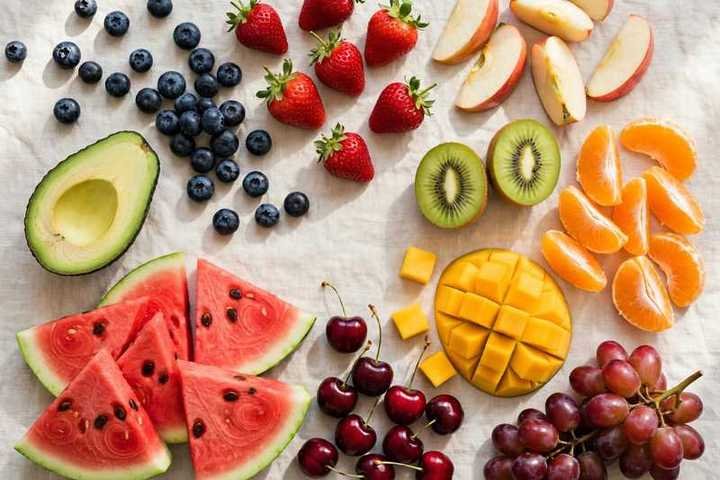
Berries top Zinkin’s list, and for good reason: they pack potent antioxidants with a low glycemic index, meaning they don’t spike blood sugar. Any fruit with “berry” in the name qualifies — strawberries, blueberries, blackberries, raspberries, and goji berries. Their red, blue, and purple hues come from anthocyanins, a flavonoid with strong antioxidant activity. Zinkin eats blueberries every day, but notes that variety across berry types is best.
2. Apples
Apples bring fiber and polyphenols that work with gut microbes to create an environment less friendly to cancer development. The American Institute for Cancer Research has linked apple intake with lower risk of estrogen receptor-negative breast cancer — a reminder that this everyday fruit punches above its weight.
3. Kiwi
A review of studies found kiwi has both “direct and indirect anticancer effects.” Its high vitamin C content helps reduce DNA damage from oxidative stress, while its fiber improves bowel regularity and supports beneficial intestinal bacteria — factors tied to lower malignancy risk, especially for colorectal cancer. Zinkin eats a kiwi daily, and suggests eating the fuzzy skin too for extra fiber.
4. Citrus Fruits
Oranges, grapefruits, and tangerines earned their place through analyses linking citrus intake with a possible protective effect against lung cancer, and potential inhibition of cardia-type stomach cancer. The American Institute for Cancer Research credits citrus nutrients with “cancer-protective potential.”
5. Mango
Mangoes are rich in mangiferin, a bioactive compound with anti-inflammatory and antioxidant properties that has shown potential against lung, cervical, breast, brain, and prostate cancers in studies. Beyond the science, Zinkin simply loves the taste — and she eats mango every day, calling it highly nutritious and fiber-packed.
6. Cherries
Cherries get their deep red color from antioxidant plant pigments, and they’re among the foods highest in melatonin — the sleep hormone that has shown “cancer-preventive potential” in laboratory studies, according to the American Institute for Cancer Research. A fruit that may support both rest and risk reduction is an easy addition.
7. Watermelon
Watermelon’s pink-red flesh is colored by lycopene, a potent antioxidant with anticancer effects. One study found that people with the highest watermelon intake had a 26% lower risk of colorectal cancer compared to those with the lowest intake — a striking number for such a simple summer fruit.
8. Grapes
Grapes contain proanthocyanidins — antioxidant compounds concentrated in the seeds and skins. The American Institute for Cancer Research notes these antioxidants look “promising against a broad range of cancer cells,” with studies suggesting possible anti-cancer effects. Don’t skip the skins; that’s where much of the benefit lives.
9. Avocado
A study found that eating one or more avocados per week was associated with reduced risk of colorectal, lung, and bladder cancers — though notably, the association appeared only in men. Avocados deliver healthy fats, nutrients, and fiber. Zinkin’s tip: eat the dark green flesh right up against the skin, the most potent part, where anthocyanin concentration is highest.
How to Eat Them: The Doctor’s Daily Routine
Zinkin practices what she recommends: blueberries, kiwi, and mango are her everyday staples. Her broader advice is simple — eat a variety of fruits, especially deeply colored ones, since that deep hue signals a high concentration of protective plant pigments. Eat kiwis with the skin on for more fiber, and scrape avocado flesh right up to the skin.
Her guiding philosophy: think of nutrition as cancer prevention, not just something to consider after a diagnosis. “Food is medicine” isn’t just a saying — it’s a strategy.
Frequently Asked Questions
Can fruit really lower cancer risk?
No single food can prevent cancer, but higher intake of cancer-fighting foods is associated with reduced risk. The evidence comes from a mix of population studies, lab research, and clinical reviews — promising, but not a guarantee.
Which fruit is best for cancer prevention?
Berries top most experts’ lists thanks to their anthocyanin content and low glycemic index. But variety matters more than any single fruit — deeply colored fruits of all kinds bring protective plant compounds.
Does fruit sugar feed cancer?
This is a common myth. The natural sugars in whole fruit come packaged with fiber, vitamins, and antioxidants — a very different proposition from added sugars. Berries, in particular, have a low glycemic index.
How much fruit should I eat daily?
General dietary guidance suggests at least 1.5 to 2 cups of fruit per day. Spreading different fruits across the day — berries at breakfast, citrus as a snack, mango with lunch — is an easy way to build variety.
The Bottom Line
A fruit bowl won’t replace screening, exercise, or medical care — but the evidence suggests it belongs in any cancer-risk-reduction strategy. Start with berries, add color variety through mango, cherries, watermelon, and citrus, and don’t overlook the humble apple and kiwi. Small daily habits, repeated for years, are exactly how diet shapes long-term risk.
Source: reporting on Dr. Heather Zinkin’s recommendations, originally published by TODAY. This article is for informational purposes only and is not medical advice — consult your doctor about cancer screening and prevention.