LHC Bans Filming Across Court Premises, Warns of Phone Seizure
LHC Bans Filming Across Court Premises, Warns of Phone Seizure
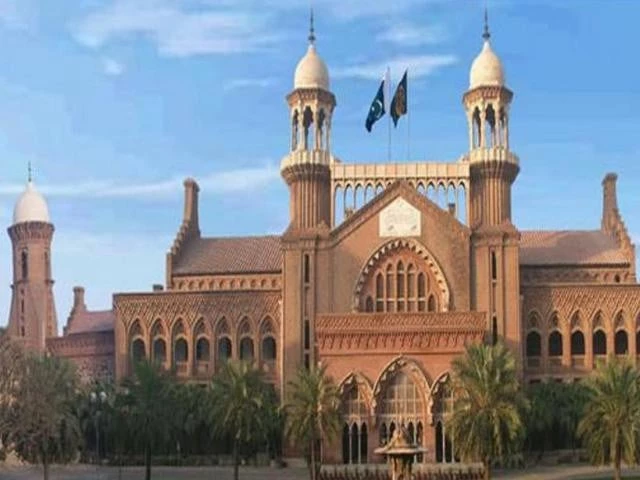
The Lahore High Court has prohibited video recording and photography across its entire premises. The LHC filming ban covers courtrooms, corridors, waiting areas and offices, and anyone caught recording faces the possible confiscation of the mobile phone used.
The restriction was approved by Chief Justice Aalia Neelum and notified by the LHC registrar. It applies to lawyers, police officials, journalists, litigants and visitors alike, with only the area designated for journalists exempt from the rule.
LHC filming ban: phones may be seized for unauthorised recording
The notification is explicit about the consequences. A phone used for unauthorised recording may be confiscated, and violators face strict action under the law. Registrar Abdul Rahim has directed all concerned to ensure strict compliance with the order.
The move formalises what court staff have long treated as an informal rule. Court proceedings in Pakistan are not televised, and unauthorised filming inside courtrooms has been a recurring irritant for judges, particularly when clips of hearings circulate on social media stripped of context. The new order extends the prohibition well beyond courtrooms to every corner of the court premises, corridors and offices included.
For journalists, the exemption of the designated area preserves the usual practice of reporting from outside courtrooms. But the blanket coverage of waiting areas and corridors means reporters and cameramen will need to be careful about where they shoot footage on the premises.
Azma Bukhari video-link plea adjourned
In a related development, the Lahore High Court adjourned for two weeks an application by Punjab Information Minister Azma Bukhari seeking permission to record her statement via video link in a case concerning an allegedly circulated objectionable clip.
Justice Abher Gul Khan adjourned the matter after counsel for activist Falak Javed filed a power of attorney. The minister’s counsel also placed additional documents on record.
Her counsel told the court that she faces propaganda on various platforms. While her main case is pending before the trial court, she said that as a senior public office-holder she faces security threats and cannot safely appear in person. The trial court’s rejection of video-link recording should therefore be set aside, her counsel argued, since the law allows evidence to be recorded through a video link.
The adjournment keeps the question open. Courts in Pakistan have increasingly accepted video-link testimony in recent years, particularly in cases involving security concerns or vulnerable witnesses, but permission remains at the discretion of the court hearing the matter.
A wider push for courtroom decorum
The filming ban fits into a broader pattern of high courts tightening control over conduct on their premises. With smartphones in every pocket, maintaining the dignity of proceedings has become harder, and court administrations have responded with written orders rather than relying on the discretion of court staff.
Whether the confiscation warning proves an effective deterrent will depend on enforcement. For now, the message from the Lahore High Court is unambiguous: put the phone away when you walk through its doors.
Frequently asked questions
What does the LHC filming ban cover?
The ban prohibits video recording and photography in courtrooms, corridors, waiting areas and offices across the Lahore High Court premises. Only the area designated for journalists is exempt.
Who does the ban apply to?
It covers lawyers, police officials, journalists, litigants and visitors. Anyone caught filming faces possible confiscation of the phone used and strict action under the law.
What happened in Azma Bukhari’s video-link application?
The Lahore High Court adjourned for two weeks her application seeking permission to record her statement via video link in a case about an allegedly circulated objectionable clip. Her counsel argued that security threats prevent her from appearing in person and that the law allows evidence through video link.
Does the law allow testimony via video link?
Her counsel submitted that the law permits evidence to be recorded through a video link, and courts in Pakistan have accepted such testimony in cases involving security concerns. Permission, however, remains at the discretion of the court.