Punjab Agriculture Crisis Sparks Assembly Clash
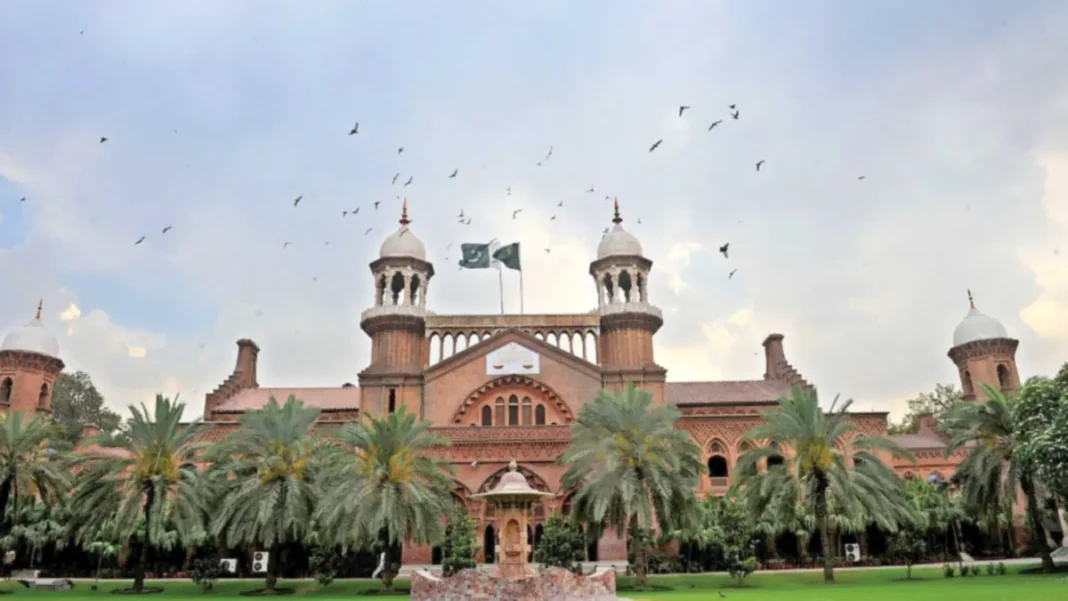
The Punjab agriculture crisis echoed through the Punjab Assembly on Monday, as the opposition accused the provincial government of pushing farmers to the brink of ruin through flawed wheat and sugarcane policies, while the treasury defended its record.
Chaired by Speaker Malik Muhammad Ahmad Khan, the session resumed after a two-day break. Leader of the Opposition Moeen Riaz Qureshi opened by questioning the treasury benches’ absenteeism and daily quorum issues, asking whether ruling party lawmakers had lost confidence in the chief minister.
“The Punjab farmer is dead”
Qureshi declared that the Punjab farmer was dead, because the government had not given growers a fair wheat support price.
Opposition MPA Waqas Maan said flawed policies over the past two years had caused a loss of Rs2,200 billion. He claimed the government had bought wheat from farmers at Rs1,800 to Rs2,200 per maund last year, while market rates had now surged to Rs6,000, with a 10kg flour bag selling for Rs1,800 instead of the official Rs1,275.
He accused the administration of spending Rs40 billion in taxpayer money on publicising the chief minister’s image, and said sugar mills still owed farmers billions in pending dues.
Opposition lawmaker Mian Ijaz Shafi accused Food Minister Salma Butt of misleading the House about the start date of the sugarcane crushing season. He warned that delayed crushing would cut wheat cultivation across 700,000 to 800,000 acres, since farmers sow wheat after the cane harvest. He called for removing restrictions on new sugar mills, to break what he called the monopoly of the Sharifs and Zardaris, and condemned the 2025 decision to export sugar only to import it later.
The government’s defence
Food Minister Salma Butt said crushing had already begun at 26 of the province’s 41 sugar mills, after early consultations, and that sugarcane rates, currently lower at the start of the season, would soon reach Rs450 per maund.
She said more than Rs4 billion in cane payments had been ensured last year. On wheat, she pointed out that the previous PTI government had imported an average of 500,000 tonnes of wheat a year, while the current administration had imported only 150,000 tonnes and kept the 10kg flour bag at Rs1,275.
Agriculture Minister Ashiq Hussain Kirmani rejected the allegations of political favouritism. He said Rs480 billion in interest-free loans had been disbursed to 1.1 million farmers, including 500,000 first-time borrowers, with a 99 per cent recovery rate.
He said 45,000 tractors and Rs100 billion in machinery had gone to small farmers on merit, 15 mobile soil-testing labs had been set up, urea supplies had run without interruption for over two years, and 13 firms had pledged Rs20 billion for new agro-parks.
The numbers behind the Punjab agriculture crisis
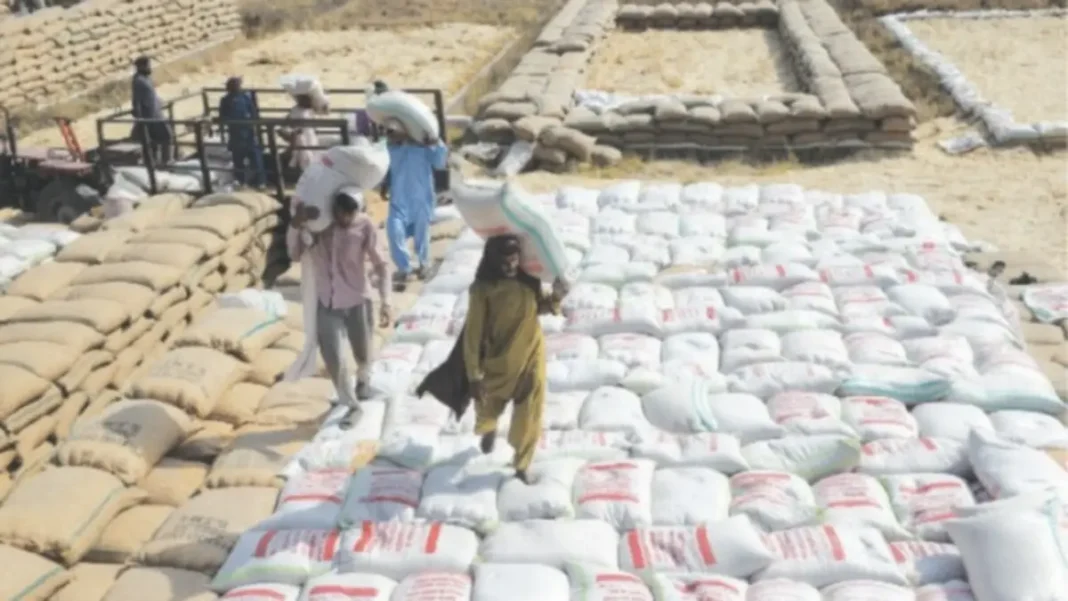
The figures quoted in the House match the pressure visible in the markets. Feature Pakistan reported that flour prices in Hyderabad hit a record high in November, with flour at Rs185 per kg and a 100kg wheat bag at a record Rs15,200. Nationally, a 20kg flour bag has reached Rs3,600.
The gap between the official price and the market price is the heart of the dispute.
The supply side is also under strain. Pakistan has moved to import wheat, and the government invited international bids to import up to 800,000 tonnes in November. The sugar question is under scrutiny too, and the opposition has demanded an audit of sugar export and import deals.
The chief minister acts the same day
The debate did not end in the House. On the same day, Chief Minister Maryam Nawaz ordered wheat and flour supply in the province to be doubled, to bring prices down, and warned of a crackdown on sellers charging excessive rates three days after the increase. The meeting she chaired also agreed to consider fixing a maximum retail price for flour.
The order reads as a direct response to the assembly row, and it puts a three-day clock on the market. If flour prices fall, the government will say the plan worked. If they do not, the opposition will return to the same figures in the next session.
What happens next
The crushing season will be the next test. If mills pay on time and cane rates reach Rs450 per maund, farmers will have cash to sow wheat. If crushing drags on, the warning about 700,000 to 800,000 acres of lost wheat will hang over the government.
A support price farmers accept and a flour price households can afford will decide whether this debate fades or returns louder.
Frequently asked questions
What happened in the Punjab Assembly?
The opposition accused the government of ruining farmers through flawed wheat and sugarcane policies, citing market wheat at Rs6,000 per maund and a 10kg flour bag at Rs1,800 against the official Rs1,275. The government defended its record with loan, tractor and import figures.
What did the government say it has done for farmers?
Agriculture Minister Ashiq Hussain Kirmani said Rs480 billion in interest-free loans went to 1.1 million farmers, 45,000 tractors and Rs100 billion in machinery went to small farmers, and 15 mobile soil-testing labs were set up.
What is the sugarcane dispute?
The opposition says delayed crushing will cut wheat sowing on 700,000 to 800,000 acres and that mills owe farmers billions. The food minister says crushing has begun at 26 of 41 mills and cane rates will soon reach Rs450 per maund.
What did the chief minister order?
On the same day, Maryam Nawaz ordered wheat and flour supply doubled to cut prices, with a crackdown on overcharging sellers after three days, and the meeting agreed to consider a maximum retail price for flour.
How high have flour prices risen?
A 20kg bag has reached Rs3,600 nationally, and flour in Hyderabad hit a record Rs185 per kg in November.