ECC raises duty on 13 imported auto parts by 11%
Imported car components are set to cost more after Pakistan approved an additional 11 per cent customs duty on 13 more parts that the government says are now manufactured locally. The Economic Coordination Committee approved the measure on a proposal from the Revenue Division and the Federal Board of Revenue. The decision reshapes the imported auto parts duty regime and could eventually feed into the prices car buyers pay.
The move updates SRO 693(I)/2006, which imposes additional duties on imported auto components that have locally produced alternatives.
Which imported auto parts face the new duty
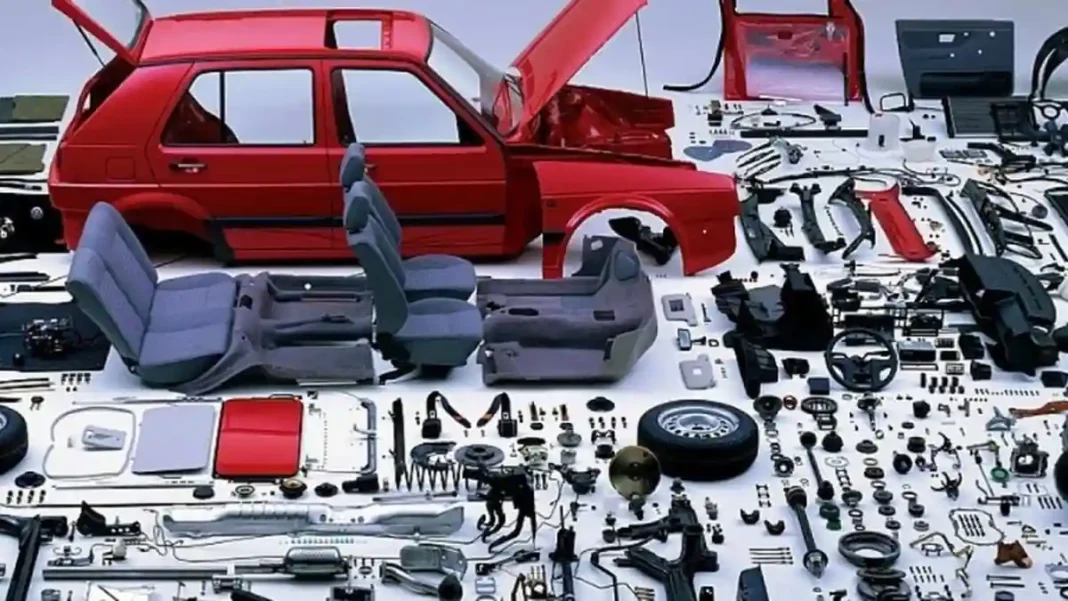
The newly covered items reportedly include tyres for heavy commercial vehicles, licence plates, reflectors and brackets, footrests, wheel assemblies, windscreens, seat bases, tail boxes, and various covers, plates and decorative components.
The scale of the existing scheme is already large. According to the Revenue Division, more than 1,200 Pakistan Customs Tariff codes for automobile parts and components already fall under the SRO, with additional-duty rates varying by localisation status. The Engineering Development Board and the Ministry of Industries and Production recommend further additions as domestic manufacturing expands, so this is unlikely to be the last round.
Why the imported auto parts duty is going up
The aim is plain: make imported components less competitive against domestic products and give local manufacturers greater tariff protection. Pakistan has pushed localisation in the auto sector for years, pressing assemblers to source more parts at home.
Every part made in Pakistan instead of imported abroad saves foreign exchange and supports local jobs.
What it means for car buyers
The approval does not necessarily mean vehicle prices will increase immediately. But the risk is real. The measure could raise costs for assemblers and buyers who depend on imported parts.
The chain works like this. If an assembler cannot source a part locally at the right price and quality, it will keep importing it and pay the extra duty. That cost can pass down the chain and show up in the showroom price. Buyers may also feel it in spare parts and after-sales service.
Much depends on the alternatives. The eventual price impact will turn on the availability, pricing and quality of locally manufactured alternatives.
The auto market is already under pressure. Analysts have flagged the surge in used car imports and the concerns of local automakers, while Pakistan’s new auto policy for 2026 is shaping the rules for manufacturers. Other cost pressures are piling up too, from Toyota Pakistan’s push on EV taxation to the latest petrol price revision hitting every car owner at the pump. Assemblers have little room to absorb new duties on top of all this.
The localisation gamble
The policy is a bet on Pakistan’s manufacturing base. In the best case, tariff protection gives local producers the confidence to invest and improve quality, building a stronger domestic supply chain and lower costs over time. In the worst case, it hands a captive market to local suppliers who are not ready, and consumers pay the difference.
What is certain is the direction of travel. With more items to be added as domestic manufacturing expands, the imported auto parts duty net will keep widening. Buyers, assemblers and local manufacturers will all have to adjust.
Source: ProPakistani
Frequently Asked Questions
What did the ECC decide on imported auto parts duty?
The Economic Coordination Committee approved an additional 11 per cent customs duty on 13 more imported auto parts and components that the government says are now manufactured locally. The decision updates SRO 693(I)/2006.
Which parts are covered by the new duty?
The newly covered items reportedly include tyres for heavy commercial vehicles, licence plates, reflectors and brackets, footrests, wheel assemblies, windscreens, seat bases, tail boxes, and various covers, plates and decorative components.
Will car prices increase immediately?
Not necessarily. However, it could raise costs for assemblers and buyers who depend on imported parts, depending on the availability, pricing and quality of local alternatives.
Why is the government raising the duty?
The aim is to make imported components less competitive against domestic products, giving local manufacturers greater tariff protection. The government argues this supports localisation, saves foreign exchange and protects local jobs.