

Petrol up Rs2.31 to Rs398.96, diesel rises Re0.78 to Rs395.72 in fresh revision
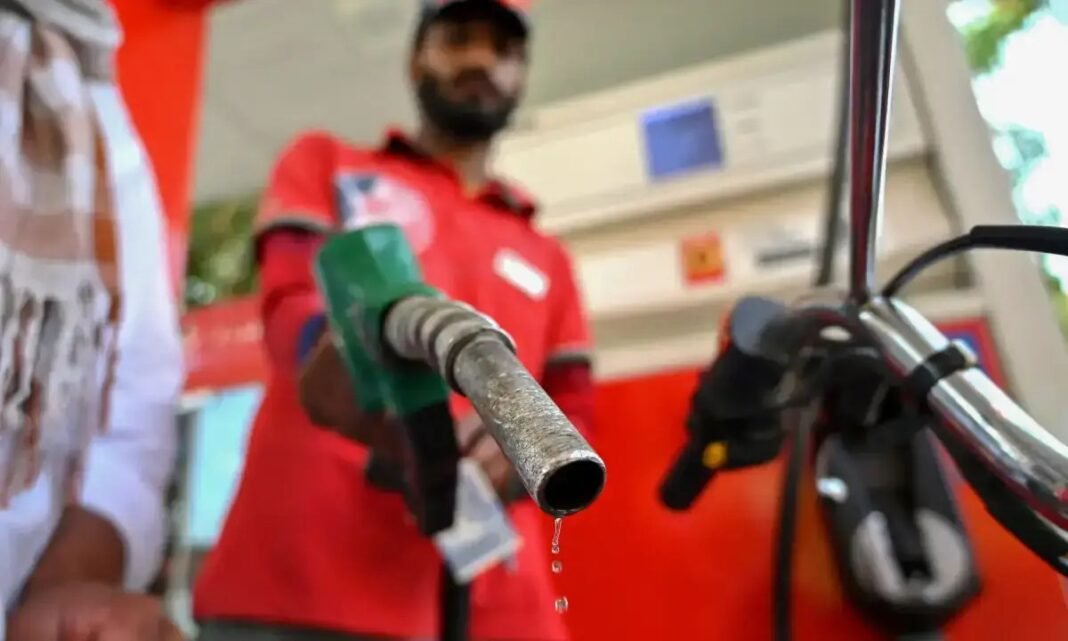
The government has revised fuel prices for the second time in two days, setting petrol Rs398.96 per litre and high-speed diesel at Rs395.72 per litre in a notification issued late on Thursday night.
Petrol goes up by Rs2.31 per litre, while high-speed diesel rises by Re0.78 per litre. The new rates replace the prices fixed in the previous revision, under which petrol stood at Rs396.65 per litre and diesel at Rs394.94.
Petrol Rs398.96 per litre: the new price break-up
| Product | Old price (Rs/litre) | Change | New price (Rs/litre) |
|---|---|---|---|
| Petrol | 396.65 | +2.31 | 398.96 |
| High-speed diesel | 394.94 | +0.78 | 395.72 |
The back-to-back revisions underline how unsettled the pricing cycle has become. Fuel prices in Pakistan are now being adjusted far more frequently than the old fortnightly schedule, as the government tries to keep domestic rates aligned with a volatile international market.
Why prices are moving again
International oil prices remain high amid the Middle East conflict and disruptions to shipping through key energy routes. The Petroleum Division links each revision to movements in the international prices of petrol and diesel, Platts benchmarks, premiums and other costs that feed into the ex-depot price.
This week’s sequence shows the pressure clearly. Petrol has now been raised in successive revisions, while diesel, which had been cut in earlier adjustments, has turned upward again. For a country that imports most of its petroleum products, every swing in the global market lands at the local pump within days.
What it means for consumers and transporters
The increase adds directly to the cost of running private vehicles, at a time when households are already absorbing higher electricity bills and food inflation. For a motorist buying 20 litres of petrol, the latest hike adds about Rs46 to the fill-up compared with the previous rate.
The diesel increase matters more for the wider economy. Trucks, buses, farm machinery and generators run on high-speed diesel, so even a sub-rupee rise feeds into freight charges and, eventually, the prices of transported goods. Transporters have in the past passed such increases on quickly, and retailers tend to follow.
How long will this last?
That depends on global crude. With Brent crude holding above $100 a barrel on conflict-related supply fears, analysts expect the pressure on domestic prices to continue. The next scheduled review will show whether the government keeps adjusting at this pace or waits for the market to settle.
Has petrol ever been this expensive?
Petrol touched far higher levels earlier in 2026 during the peak of the Strait of Hormuz crisis, when it crossed Rs450 per litre in April. Prices eased sharply by mid-year before climbing again in recent weeks.
When do the new prices take effect?
The revised rates replace the prices set in the previous revision. Filling stations update their boards on the government’s notification, and the Oil and Gas Regulatory Authority’s notified ex-depot prices form the basis for retail sale.