Afghan National Arrested in Tirah Over Terror Plot
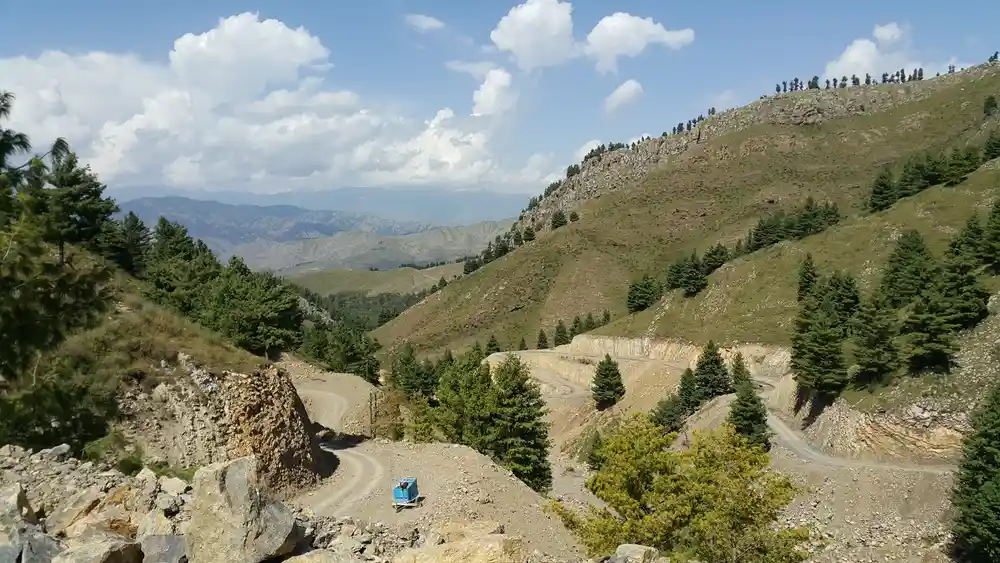
An Afghan national arrested in Tirah Valley was planning terrorist attacks in Pakistan, a senior Khyber Pakhtunkhwa police officer said on Wednesday. Law enforcement agencies arrested him during a joint intelligence-based operation in the valley on November 7.
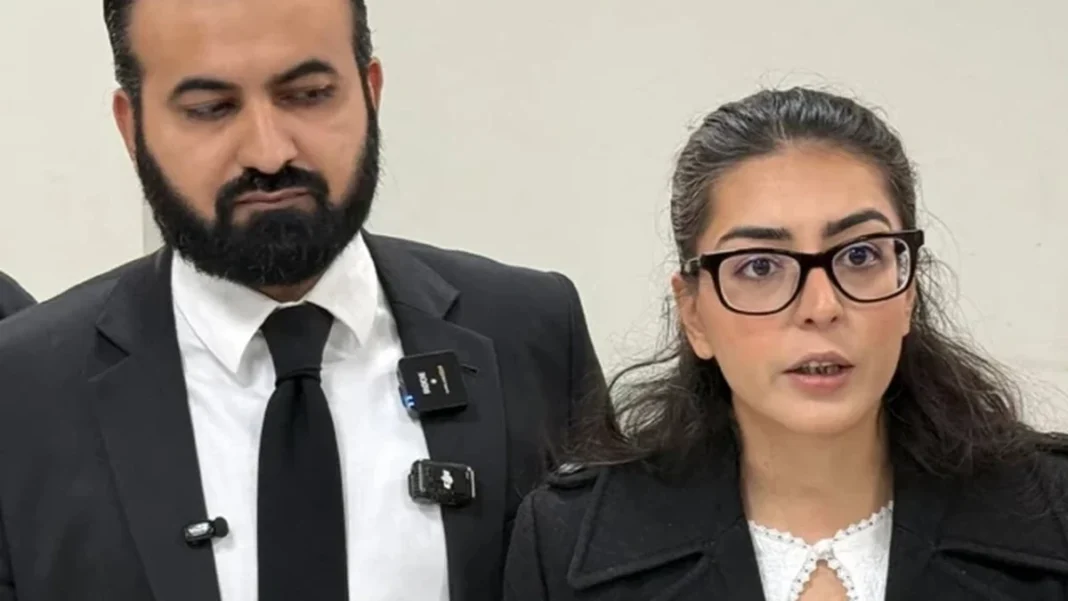
Additional Inspector General Khyber Pakhtunkhwa Abbas Ahsan announced the arrest at a Peshawar press conference with Information Secretary Mahmood Jan Babar. He identified the suspect as Hikmatullah, alias Hamza, son of Noor Mohammad.
Ahsan said the arrest was made through human intelligence, electronic surveillance and other intelligence resources.
The Afghan national arrested in Tirah
Ahsan said the suspect was from the Chamkaniye area of Afghanistan’s Paktia province, village of Mangiyar. He had served in the former Afghan national army, receiving three months of military training and three months of commando training.
After the Afghan army was dissolved, he used his expertise at different madrassas and established contacts to facilitate terrorist attacks in Pakistan, the AIG added.
“He also prepared a suicide bomber,” Ahsan said, identifying the student as Akrama, whom the suspect had trained at the Khalid bin Waleed madrassa near Jalalabad.
The suspect had links with the former Gul Bahadur group and had served as a security guard for its commander, Mansoor, he said.
Ahsan said the interrogation had revealed his facilitators in Pakistan and Afghanistan, the places where he had received training and the locations where he had planned attacks in Pakistan.
The suspect’s own account
Officials played a video statement attributed to the suspect. In it, Hamza said he had studied with a religious scholar for a year before teaching at a madrassa, and had met Akrama in Jalalabad and prepared him for a suicide attack.
“I was injured during the Taliban’s rule in Afghanistan,” he said in the video, adding that he was being treated well.
Information Secretary Babar said Afghan territory was being used for terrorism and that terrorists used the cover of darkness to enter Pakistan and carry out attacks.
“Pakistan has always presented its case before the world. Today, we have achieved success with the arrest of an Afghan terrorist who was planning attacks in Pakistan,” Babar said.
He said the suspect was not an isolated case and that such networks continued to operate. “These people take advantage of the cover of darkness and enter Pakistan to carry out attacks, but they do not realise that the sons of Pakistan are waiting for them,” he added.
Babar said security forces were conducting extensive operations, and that anyone attempting to enter Pakistan to carry out attacks would find their way blocked, as security forces, society and the government stood united.
The wider security picture
The arrest comes as the government moves to bring displaced families back to the same valley, where a teacher shortage has closed seven girls’ schools in nearby Bara. Displaced families from Tirah are to return home in phases, under a plan announced the same day, with tribal elders preparing the list of residents selected for return.
Terrorism is a growing problem for Pakistan, with attacks rising every year since 2022, according to Armed Conflict Location and Event Data (ACLED), a global monitoring organisation. Its data shows attacks rose nearly fourfold to 2,425 in 2025 from 658 in 2022.
The threat continued to grow in 2026. Two security reports presented to the federal cabinet in October showed terrorist incidents in Khyber Pakhtunkhwa had risen by 195 per cent between March 2024 and September 2026. They also found that 73 per cent of attacks in the province during 2026 had targeted police and security personnel, while drones and improvised explosive devices had emerged as growing threats.
Pakistan has repeatedly accused the Afghan Taliban authorities of allowing the banned Tehreek-e-Taliban Pakistan (TTP) to operate from Afghan territory. A United Nations Security Council monitoring report published in February 2026 supported Islamabad’s concerns, saying TTP attacks from Afghanistan had increased and the group enjoyed greater liberty and support from the de facto authorities.
The report also noted that Al Qaeda continued to train and support TTP, which had acquired advanced weapons, including night-vision equipment and drone systems.
The human cost continues to mount. Lt Col Muhammad Hassan Haider, killed in the region’s security operations, was honoured in a tribute that recalled the sacrifices of officers on the front line. The arrest, and the return of displaced families to the same valley, show two sides of the same struggle: security operations on one hand, and the slow return of normal life on the other.
Diplomacy remains part of the response. Deputy Prime Minister Ishaq Dar pushed for diplomacy amid global tensions at the Margalla Dialogue, where Pakistan’s case on regional security was set out before an international audience. The arrest adds fresh evidence to that case.
Frequently asked questions
Who was arrested in Tirah Valley?
Hikmatullah, alias Hamza, an Afghan national from Paktia province, who officials say trained a suicide bomber and planned attacks inside Pakistan.
When was he arrested?
He was arrested on November 7 during a joint intelligence-based operation in Tirah Valley. The arrest was announced at a press conference in Peshawar on Wednesday, November 11.
What did officials say he had done?
They said he had served in the former Afghan national army, trained a student named Akrama for a suicide attack at a madrassa near Jalalabad, and had links with the former Gul Bahadur group.
What did his interrogation reveal?
According to the police, it revealed the identities of his facilitators in Pakistan and Afghanistan, the places where he had received training and the locations where he had planned attacks.
How bad is the terrorism threat in Pakistan?
Attacks have risen every year since 2022, reaching 2,425 in 2025, according to ACLED. In Khyber Pakhtunkhwa, incidents rose 195 per cent between March 2024 and September 2026.