

Ahsan Iqbal Orders Tighter Price Monitoring as Inflation Data Shows Mixed Picture
Ahsan Iqbal Orders Tighter Price Monitoring as Inflation Data Shows Mixed Picture
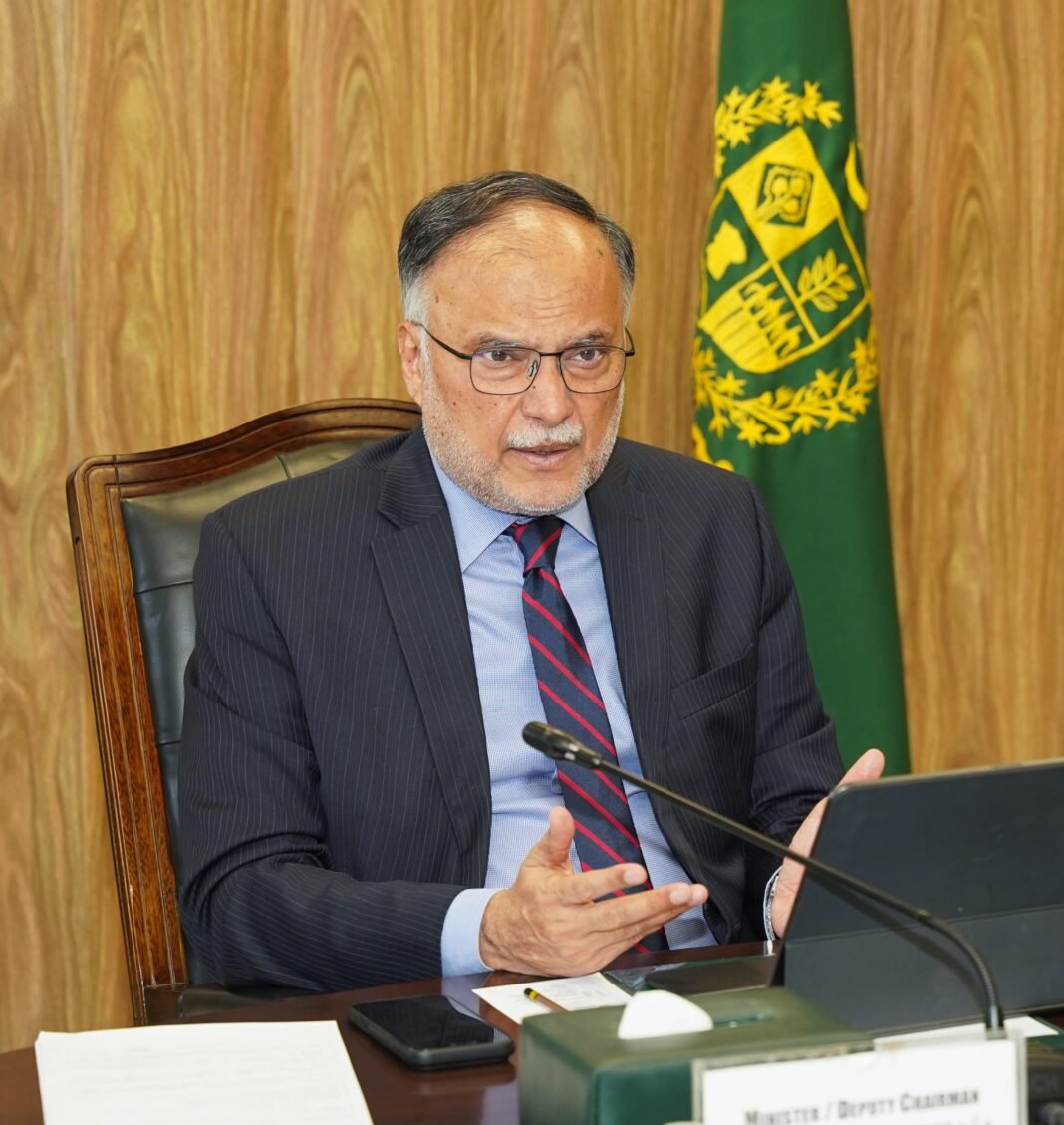
Federal Minister for Planning, Development and Special Initiatives Ahsan Iqbal has ordered provincial and district administrations to tighten their grip on prices, making Ahsan Iqbal price monitoring the government’s response to mixed inflation data. Chairing the NPMC on Thursday, he said monitoring must go beyond tracking numbers to the market distortions behind rising essential prices.
The committee examined monthly and weekly inflation, wholesale-retail price gaps, essential commodity prices and earlier decisions. The minister voiced particular concern over rising prices of essentials, singling out wheat flour, and told administrations to tighten monitoring of supplies, market arrivals, hoarding, profiteering and unjustified hikes.
Ahsan Iqbal price monitoring: September inflation eases but pressures persist
CPI inflation eased to 10.3 per cent year-on-year in September 2026 from 11.1 per cent in August; the July-September average was 10.2 per cent.
The Wholesale Price Index rose 13.3 per cent year-on-year, a sign of upstream cost pressure that could yet reach consumers, while the weekly Sensitive Price Indicator climbed 11.53 per cent for the week ended October 1.
The steepest annual rises came in onions, LPG, electricity, diesel, petrol and wheat flour; week-on-week, chicken, garlic, gram pulse and LPG rose most. Households are feeling the squeeze on everyday groceries even as the headline rate cools.
DAP fertiliser prices under scrutiny
One of the sharpest interventions came on fertiliser pricing. He asked the food security ministry to examine why domestic DAP prices stay high despite falling international prices, so the benefit reaches the local market. Costly fertiliser raises crop production costs and eventually food prices.
The issue goes beyond farms: expensive fertiliser pushes up production costs for wheat and other crops, eventually surfacing in flour and food prices. With wheat flour already on the minister’s watch list, closing the gap between global and domestic fertiliser prices has a direct bearing on household budgets.
Transport fares and LPG in the crosshairs
He also ordered current transport fares compared with fares after the previous fuel hike, to detect disproportionate increases. Fare rises triggered by fuel hikes are rarely reversed, and the committee wants to know whether passengers are paying more than fuel costs alone would justify.
On cooking fuel, he told the Oil and Gas Regulatory Authority (Ogra) to narrow the gap between notified and market prices of LPG cylinders. Discrepancies between the official price and what consumers actually pay have been a recurring complaint, particularly for households in areas beyond the piped gas network.
Provinces told to act on wholesale-retail gaps
Provinces must watch wholesale and retail prices and act where gaps are unjustified, with a focus on Lahore and Karachi markets. Supply chains should be monitored so the pass-through from fuel hikes to food stays proportionate.
He set a one-week deadline for the ghee, edible oil and milk inspection report, adding that if industry proposed third-party validation, industry bears the cost, not the government.
The message: monitoring must go beyond statistics to causes and enforcement. For households coping with 10.3 per cent inflation, Thursday’s meeting will be judged on whether enforcement follows.
Frequently asked questions
What is the current inflation rate in Pakistan?
CPI inflation stood at 10.3 per cent year-on-year in September 2026, down from 11.1 per cent in August. The Wholesale Price Index rose 13.3 per cent year-on-year, while the weekly Sensitive Price Indicator climbed 11.53 per cent for the week ended October 1.
Why did the minister order a probe into DAP fertiliser prices?
He asked the food security ministry to examine why domestic DAP prices stay high despite falling international prices, so that the benefit reaches the local market. High fertiliser costs feed into crop production expenses and ultimately into food prices.
What did the committee decide on transport fares?
The minister ordered a comparison of current transport fares with fares after the previous fuel hike to check for disproportionate increases that go beyond what fuel costs justify.
What is Ogra being asked to do about LPG?
Ogra has been told to narrow the gap between notified and market LPG cylinder prices, addressing the difference between official rates and what consumers pay.